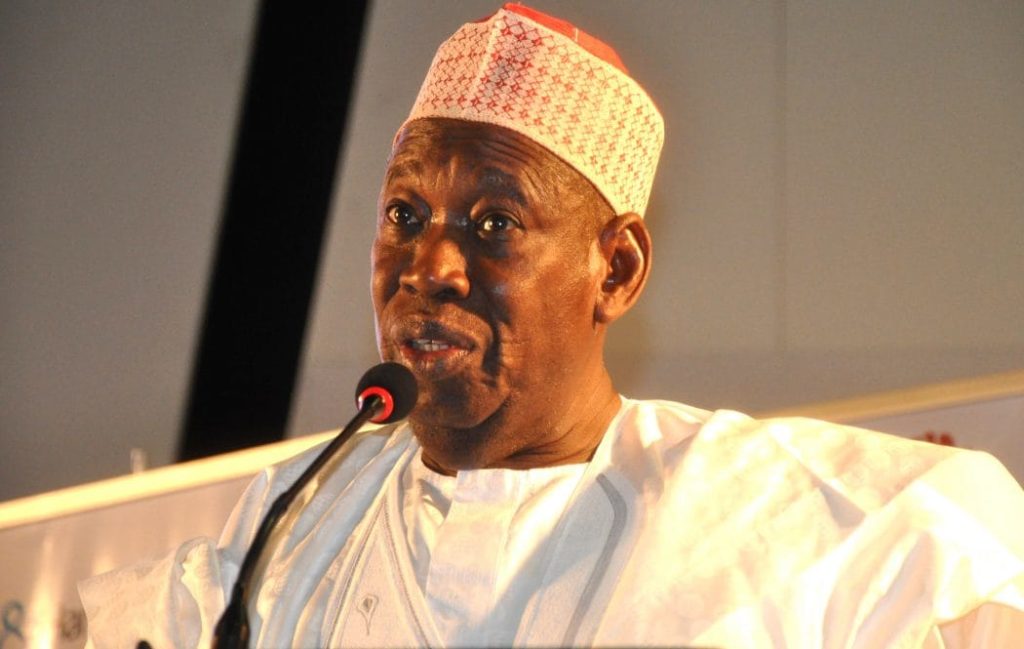
Emir of Kano Muhammadu Sanusi II says ex-President GoodluckJonathan suspended the planned removal of petrol subsidy in 2012 due to fearsthat Boko Haram insurgents could target protesters. The nationwide protest against petrol subsidy removal lastedfor almost two weeks and grounded economic activities across the country. Sanusi, who was governor of the Central Bank of Nigeria(CBN) at the time, stated that the policy was misunderstood and poorly managedduring the Jonathan era. He spoke on Tuesday at the Oxford Global Think TankLeadership Conference, themed ‘Better Leader for a Better Nigeria’. According to the emir, Nigeria’s petrol subsidy regime waseffectively a “naked hedge”, where the federal government guaranteed a fixedpump price regardless of changes in global crude prices, exchange rates, orinterest rates. He said the arrangement forced the government to borrow hugesums not only to fund the petrol subsidy but also to pay interest on the loansused for it. “If you look at the template, all of those amounts werebeing absorbed. The federal government was saying I have an unlimited pocket,”Sanusi said. “So we moved from a point where we were using revenues topay subsidies to where we had to borrow money to pay subsidies, to where we hadto borrow money to pay interest on the borrowed money. We had become bankrupt. “Anyone who takes a naked hedge ends up being bankrupted,especially with a commodity where you don’t control the price.” The emir added that Nigeria’s current economic hardshipcould have been avoided if the Jonathan administration had implemented thepolicy in 2011. “If Nigerians had allowed the Jonathan government to removethe subsidy in 2011, there would have been pain,” he said. “But that pain would have been a very, very tiny fraction ofwhat we are facing today. This is the cost of today. “At that time, we worked out the numbers in the centralbank, and I stood up and put my credit in front of the line and said, removethe subsidy today; inflation moves up from 11 percent to 13 percent. I willbring it down a bit later. Oh, that’s about 30-something percent inflation.That was where we were.” Sanusi noted that Jonathan’s decision to suspend the removalwas influenced by security concerns. “And it was like, if one day one of these suicide bombersgoes to these Nigerians and explodes the bomb, and you have 200 corpses, itwill no longer be about subsidy,” he said. “So I’ve got to give President Jonathan the credit. He wasdetermined to do it. The only reason the government compromised and did 50percent, not 100 percent, was Boko Haram. “If one suicide bomber had attacked protesters in Lagos,Kano, or Kaduna, and 200 people died, it would have gone beyond subsidy.” The emir also criticised the political elite, lamenting thatmany educated leaders abandon their values for self-interest. “By the time you become a governor, you should be beyondlooking for money. But many live like illiterates despite their education,” hesaid. On September 13, the emir said the removal of petrol subsidyby President Bola Tinubu saved Nigeria from bankruptcy. The monarch said the subsidy regime was unsustainable,noting that it placed the burden of fluctuating global oil prices, exchangerates, transportation costs and refining expenses entirely on governmentcoffers.
Don't miss out on breaking stories and in-depth articles.