

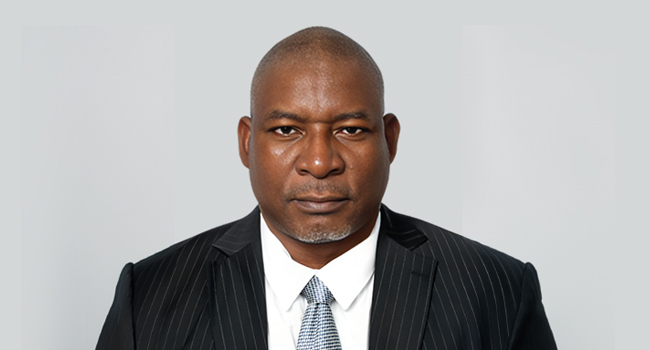
Zacch Adedeji, chairman of the Federal Inland RevenueService (FIRS), says Nigeria should not see its dwindling revenue as a nationaldisaster but as an opportunity to redesign the economy, strengthen institutionsand modernise the tax system. On November 10, it was reported that Nigeria’s gross profitfrom crude oil and gas sales plunged by N824.66 billion in 2024 despite arebound in oil production. Speaking at the University of Ilesa’s founders’ day lectureon Friday, Adedeji said the country stands “at a fiscal crossroads,” butinsisted that the challenge should inspire innovation rather than panic. “Dwindling revenues are not the end of the road. They are acall to reform. This moment must not be seen as a crisis to manage but anopportunity to rebuild with courage, clarity and conviction,” he said. Adedeji argued that economic resilience is not built duringemergencies but in periods of relative stability and that Nigeria must adopt aproactive rather than reactive approach to fiscal management. “Resilience is not reactive but proactive. It is not builtin times of crisis but built before the storm comes,” he said. The FIRS chairman stressed the need for structural reformsthat look beyond short-term fixes, arguing that Nigeria must “bounce forwardstronger, smarter, and more prepared,” rather than merely recover from eachdisruption. Adedeji added that Nigeria’s heavy debt burden, which hesaid at one point gulped over 90 percent of government revenue, shows why thecountry must rethink how it raises and manages public funds. He said the pressure should push the nation to move awayfrom its dependence on oil and build a modern, technology-driven revenue systemthat matches the size and realities of the economy. Also, the FIRS chairman said Nigeria cannot fund itsdevelopment solely on traditional revenue streams. Adedeji called for innovative financing, includingpublic-private partnerships, sovereign wealth buffers, green bonds, carbontaxes and performance-linked incentives. He noted that digital reforms led by FIRS, including TaxProMax, the electronic tax clearance certificate (e-TCC) system and the ongoingconsolidation of tax laws, are designed to make compliance simpler and revenueadministration more transparent. “We are not only collecting more taxes, we are collectingsmarter, fairer, and in alignment with Nigeria’s development goals,” he noted. Adedeji urged government, academia and the private sector toembrace the shift from crisis-thinking to innovation-thinking, arguing thatNigeria’s fiscal future depends on coordinated reform. “Let it not be said that we failed to act when the path wasknown and the need was urgent,” he said. The chairman added that it should be said “that in an era ofdwindling revenue, Nigeria chose resilience over retreat”.
Related Articles




Don't miss out on breaking stories and in-depth articles.