
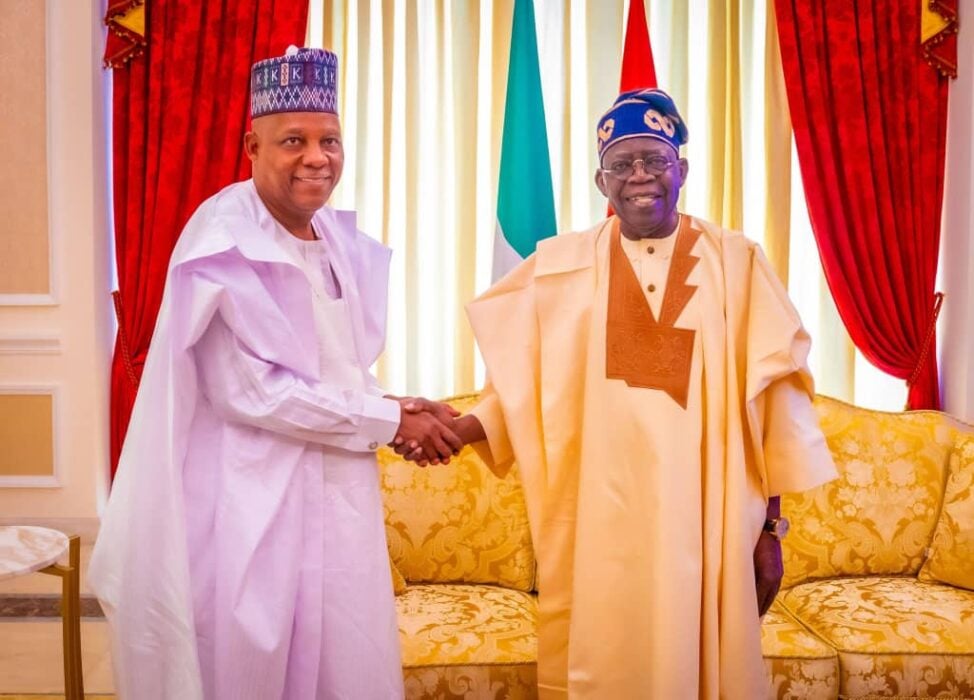
Three years after President Bola Tinubu's significant economic reforms, the disparity between macroeconomic indicators and the everyday experiences of Nigerians remains pronounced. Following his declaration at Eagle Square that Nigeria was "open for business," Tinubu implemented critical changes, including the removal of the fuel subsidy and the unification of the exchange rate. These measures aimed to stabilize the economy and attract investment, yet many citizens continue to face challenges that suggest the benefits of these reforms have not been evenly distributed. The ongoing assessment of these policies highlights the complexities of economic recovery in Nigeria.
Related Articles




Don't miss out on breaking stories and in-depth articles.