
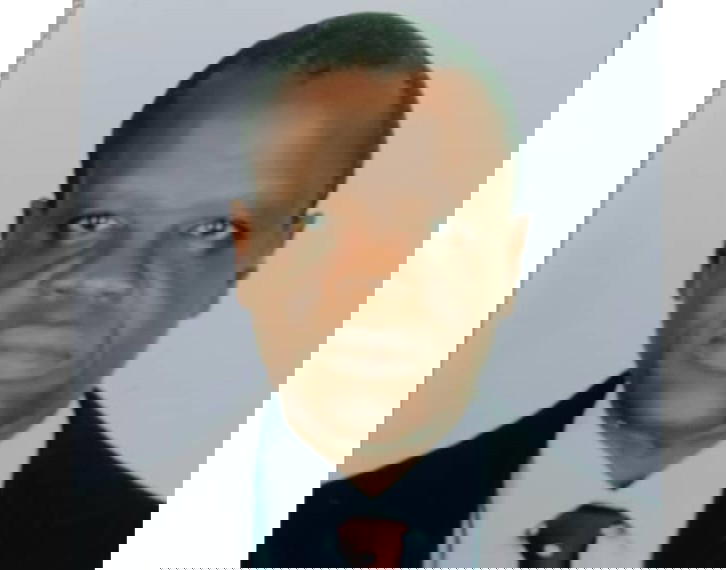
It was not merely the accident at Chappaquiddick that destroyed Senator Ted Kennedy’s lifelong ambition of becoming President of the United States. It was Mary. Mary Jo Kopechne. She was the young woman who died after Kennedy’s car plunged from a narrow bridge on Chappaquiddick Island in July 1969. Kennedy escaped from the submerged vehicle, but he did not report the accident until the following morning. What happened between the moment the car entered the water and the time the senator informed the authorities became the question that followed him for the rest of his life. Kennedy remained a political giant. He returned repeatedly to the United States Senate, became one of its most influential members and left an enduring legislative legacy. But the presidency, which had appeared almost a Kennedy family inheritance, slipped beyond his grasp. Mary Jo did not destroy Ted Kennedy through accusation. She was dead and could not speak. It was the silence surrounding her death, the delayed report, the gaps in the account and the failure to provide answers convincing enough to satisfy the public that did the damage. That history offers a sobering lesson as questions arise over the troubling death of Mary Habila within a staff chalet at the Uburu country home of Nigeria’s Minister of Works, Senator David Umahi. Mary Habila is not Mary Jo Kopechne. Umahi is not Ted Kennedy. The circumstances are different, and there is presently no publicly established evidence linking the minister to wrongdoing in Habila’s death. The controversy surrounding Habila’s death does not arise simply because a human being died. People die suddenly from natural causes, undiagnosed conditions, accidents and medical emergencies. What makes this death a legitimate subject of public inquiry is the location, the official arrangements that brought her there and the unanswered questions about her deployment. Habila was reportedly attached to the David Umahi Federal University of Health Sciences and seconded to the Federal Ministry of Works. She travelled from Abuja to Ebonyi State alongside ministry officials and was accommodated in a chalet within the minister’s country home. Nothing in the accounts so far given of Mary’s death directly implicates Umahi. Neither does political hostility towards him amount to evidence. Umahi is no stranger to controversy. His political career has been marked by hard battles and an unusual capacity to survive conflicts that would have ended less resilient careers. As chairman of the Peoples Democratic Party, PDP, in Ebonyi State, he built a formidable structure. Later, as deputy governor to Martin Elechi, he survived a bruising succession struggle and eventually emerged as governor, overturning the calculations of the incumbent establishment. That victory established Umahi as a politician who understood power, organisation and survival. His defection from the PDP to the All Progressives Congress, APC, was another controversial turn. Before then, he had complained about the marginalisation of the Southeast and challenged the PDP to zone its presidential ticket to the region. Yet after moving to the APC, he remained in a party that did not place a Southeasterner on its presidential ticket. That contradiction has continued to shadow his politics. His recurring attacks on Peter Obi have reinforced the belief among critics that he is eager to demonstrate loyalty to the power centre, sometimes at the expense of sentiment in his home region. But death introduces a different kind of challenge. Political accusations can be countered with speeches, alliances and superior organisation. A mysterious death cannot be answered by political muscle. It requires facts. The request for a comprehensive forensic autopsy is therefore commendable. It is in the interest of Habila’s family, the public and Umahi himself that the precise cause of death be medically established. The police investigation must also be thorough, independent and transparent. Investigators should establish who was present within the premises, who had access to the chalet, what official assignment brought Habila to Ebonyi and whether she had complained of illness or discomfort before retiring. There is also an institutional question that must not be buried under the debate about criminal suspicion: why was a nurse or physiotherapist needed in a federal medical institution seconded to the Federal Ministry of Works? What duty was she performing there? Nigeria’s hospitals are struggling with shortages of nurses and other health professionals. Medical workers continue to leave the country in large numbers, while patients face overstretched facilities and inadequate staffing. Against that background, transferring health professionals to a ministry responsible for roads, bridges and infrastructure requires a co
Don't miss out on breaking stories and in-depth articles.


