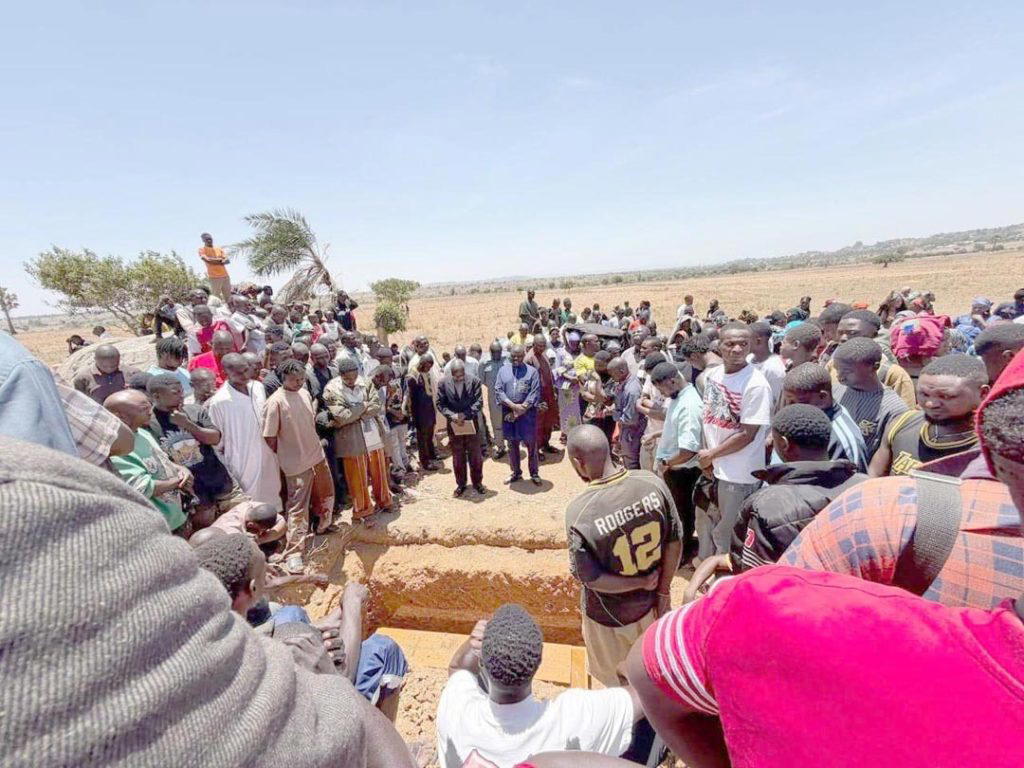
By Golok Nanmwa, JOS Every fresh dawn in many rural communities across Plateau State begins with one haunting question – Who will be the next victim? Read Also: Rape, Suicide in Asaba: How we battled to save her life — Father For hundreds of families in Barkin Ladi, Riyom, Bokkos, Bassa, Mangu and other flashpoints, the past five months have been defined by recurring attacks, mass burials, displacement and shattered livelihoods.Children in some of these rural communities now go to school in fear. Farmers who once depended on fertile lands for survival have abandoned their farms for fear of being ambushed. Entire communities have become ghost settlements, while widows, orphans and the elderly struggle to rebuild lives repeatedly disrupted by violence. Recent attacks Within the last five months, Plateau State has witnessed several deadly attacks, including April 2026 (Palm Sunday): Gunmen attacked communities in Barkin Ladi, leaving scores of residents dead and several homes destroyed. June 2026: Fresh attacks were recorded in communities across Barkin Ladi and neighbouring Riyom Local Government Area, resulting in multiple deaths and renewed displacement. July 4, 2026 – Three vigilante operatives were killed during an attack on Sabon Layi community in Barkin Ladi. The latest attack on Kum and Wereng-Camp communities in Riyom Local Government Area, where nine members of the same family, including a two-month-old baby, were killed, has once again drawn national attention to the worsening security situation in Plateau State. Residents said the attack lasted for more than an hour as armed assailants invaded the communities late at night, shooting indiscriminately, while terrified villagers fled into surrounding bushes. By dawn, homes had become mourning centres, and another mass burial loomed. The village head also sustained critical injuries and was rushed to hospital, while scores of survivors were left counting their losses. The latest killings have reinforced calls by indigenous youth organisations for a more robust military response and echoed concerns over what they described as the continued occupation of communities by armed groups. The renewed concern also followed a strongly worded press statement issued by the Coalition of Plateau State Indigenous Youth Nationalities, comprising Afizere, Anaguta, Atakar, Atten, Berom, Irigwe, Kunlere, Mushere, Mwaghavul, Pan and Ron youth associations. The coalition described the situation as a humanitarian tragedy that has devastated communities across Plateau. Addressing journalists in Jos, leader of the coalition, Barrister Dalyop Solomon Mwantiri, said Plateau had endured years of bloodshed, displacement and destruction that have left deep scars on the people. “Our communities have become theatres of bloodshed; our ancestral lands have been violently invaded; our villages reduced to desolation; our farms abandoned; our economic life strangulated; and thousands of our people condemned to lives of displacement, fear and uncertainty.” According to the coalition, generations that ought to be building prosperous communities have instead been forced to bury loved ones, flee their ancestral homes and struggle merely to survive. About 200 killed in five months One of the strongest claims contained in the coalition’s statement was that no fewer than 200 persons were reportedly killed around the Barkin Ladi axis within the last five months before the deployment of operatives of the Department of State Services (DSS) to the area in May 2026. The claim could not be independently verified by our correspondent. According to the coalition, attacks had become almost routine before the intelligence agency established an operational camp in Barkin Ladi. The youths argued that the deployment represented a turning point for residents who had lived under the shadow of persistent attacks. “For a people who have lived under the shadow of incessant attacks and rain of terror, it represented more than a security deployment; it symbolised renewed hope.” The coalition further claimed that sustained intelligence-driven operations by the DSS contributed to a noticeable reduction in attacks in parts of Barkin Ladi. It commended the security agency for what it described as professionalism and operational effectiveness in confronting criminal elements operating in the area. Backing intelligence-led security operations The indigenous youth organisations also defended ongoing intelligence-led operations by security agencies. The coalition expressed concern over allegations recently made against DSS personnel operating around Kwok, popularly known as “Ruga Ajalo.” While insisting that allegations against security personnel should never be ignored, the youths cautioned against t
Don't miss out on breaking stories and in-depth articles.