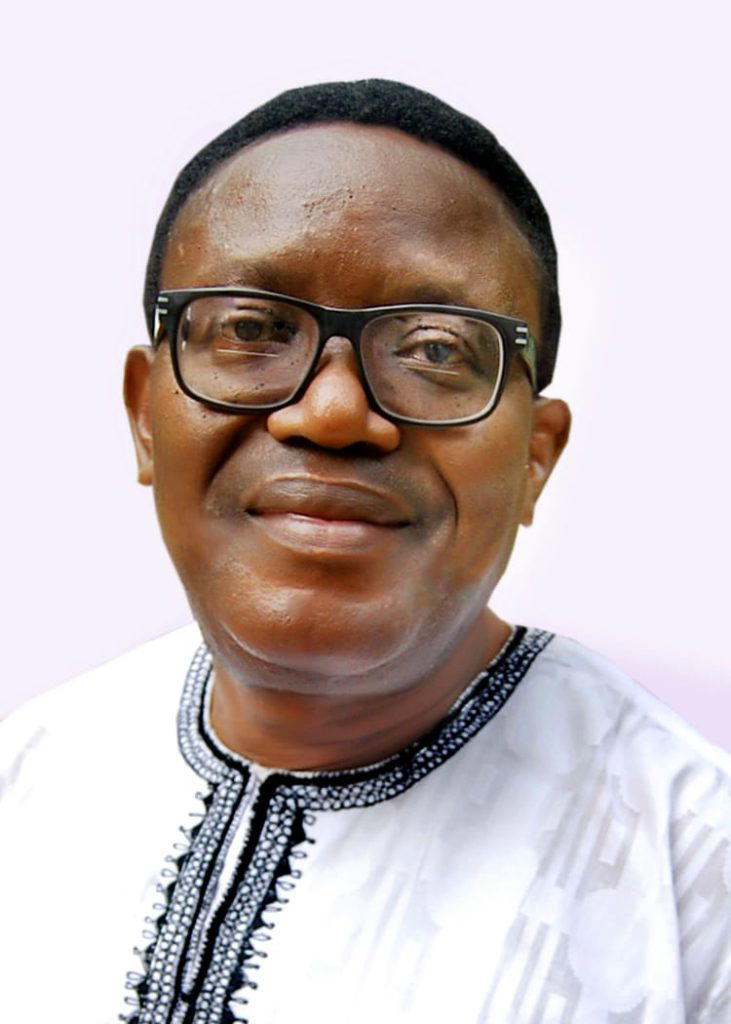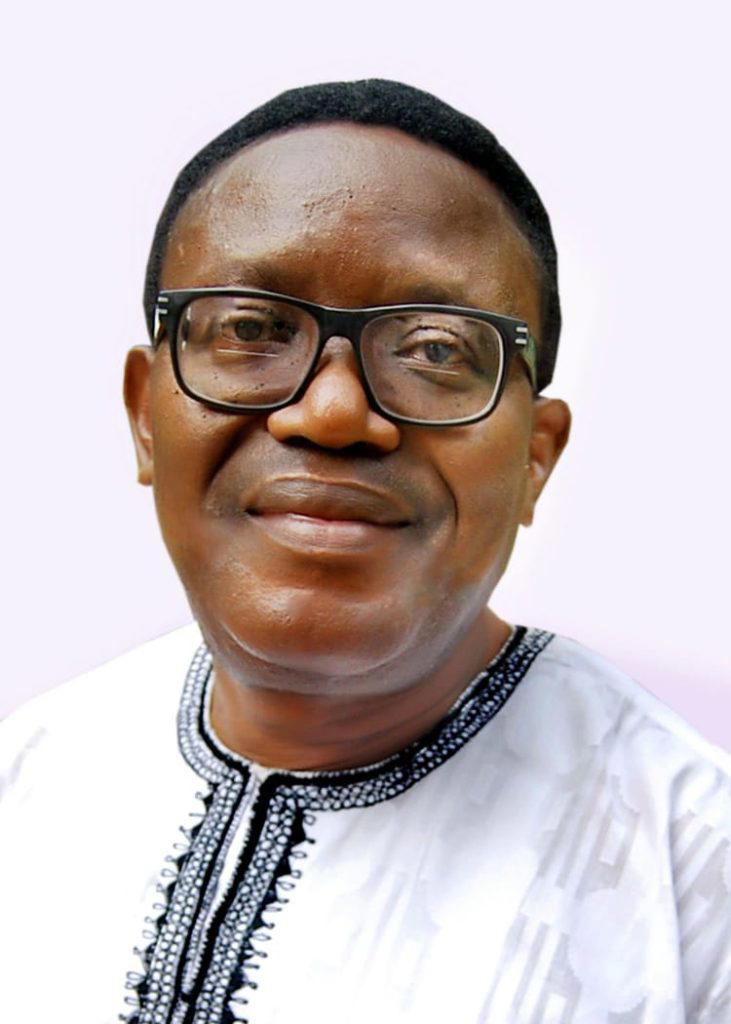
Forty years ago, on July 24, 1986, Victor Ogebyiwa Eburajolo was forty. He was a sought-after expert in the Nigerian industrial complex. A lawyer, business strategist, planning tactician, industrial and labour relations expert. He was then the Executive Secretary of Nigeria Textile Employers. The textile industry had sixty-two companies and over 750,000 workers, not counting those in related employment like the cotton industry. But as he marked his birthday, he foresaw that the country, which had been invaded by prodigals from the barracks, was being consciously frog-jumped into deindustrialization. The Babangida regime had that month officially adopted the International Monetary Fund (IMF) and World Bank–imposed Structural Adjustment Programme (SAP). Under the enslaving ‘conditionalities’ of SAP, the country’s vital economic development structures were being smashed. The most devastating were the commodity boards for cotton, groundnut, palm produce, rubber, grains and cocoa. These boards had ensured the quality and fair prices of our cash crops. Eburajolo saw the dangers and was quite conscious that opening the country to the so-called ‘market forces’ with no restraints, including against dumping of goods, exposed the country to deindustrialization. But worse was to come when the anti-intellectual generals, on January 1, 1995, shoved the country into the enslaving World Trade Organisation (WTO), where industrialized countries held sway and clobbered underdeveloped countries into submission. Conscious of the dangers of the WTO to industrialization in the country, Eburajolo raised these with actors in the textile industry, including the labour unions. He also discussed them with the then junior finance minister, Alhaji Abu Gidado, with whom he had relations dating back to their days in the textile industry when the latter was the Chief Executive Officer of Arewa Textiles, Kaduna. Gidado clearly understood the implications and decided to join the Eburajolo team to discuss with then finance minister Anthony Ani. The latter could not or would not see the dangers being pointed out. Eburajolo and his team then told Ani that the WTO has regulations granting new members four years of grace before full implementation of the rules. They wanted Nigeria to take advantage of this and use the period to plan and work out the best options for the country, but Ani would not hear of it. He insisted that the WTO rules be implemented immediately. The result is the disaster that the country has undergone. As predicted, Nigerian industries, like the entire tyre sector, collapsed as did the textile industry, whose workforce was reduced from over 750,000 to about 24,000! Eburajolo said apart from unrestrained smuggling and dumping, the Nigerian textile company competing with international ones was like opening a shop next to a farm and buying from the farmer to sell to the public; you cannot compete with the farmer. As Eburajolo predicted, the WTO has been weaponized against underdeveloped countries like Nigeria. He said while the goods of the industrialized countries poured into poor countries, the former made up various excuses why those of the latter cannot be allowed. He said when an exporter from Africa sends goods to the United States, for instance, and the latter gives excuses why the goods cannot be accepted, the exporter would rather than spend more money returning the goods, abandon them. I recall some years ago visiting some flower-exporting companies in Kenya. They met all conditions put forward, only for the European countries to claim flying freshly cut flowers added to aircraft pollution of the global environment! Eburajolo, with over five decades’ corporate experience, has been a board member of over twenty corporate companies from manufacturing, consulting, and insurance to the power sectors. But his service in the Nigerian Social Insurance Trust Fund (NSITF) must have been his most sobering and frightening. He had been put forward by the Nigeria Employers Consultative Association (NECA) to represent it as an Executive Director (ED). He was to join other EDs representing government and labour. The organisation’s managing director was to be picked from amongst them. When he got there, to his surprise, he found that there were ongoing battles by outside interests to place their nominees in particular positions. The Labour Minister wanted his sidekick as the managing director. The Head of Service wanted his candidate to be ED Administration, and the labour leader wanted his old buddy to be ED Finance. Eburajolo opted not to fight for so-called ‘lucrative positions.’ Rather, he took the ED Operations position as he was from the private sector and saw his primary responsibility as bringing in the money and paying it into the fund. Unexpected changes occurred, including death and a vacancy at the newly established Trustfund Pensions Limited. Eburajolo unexpe
Don't miss out on breaking stories and in-depth articles.