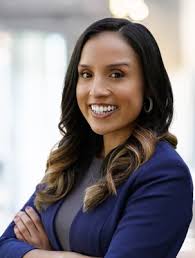
Sandstone CEO Nick Fleisher, Courtroom CEO Elizabeth Grabowski Parikh, and Crosby CEO Ryan Daniels.Sandstone; Courtroom; Crosby; Business InsiderFunding to legal tech startups globally reached $2.1 billion so far in 2026, per Crunchbase data.Business Insider asked a group of investors to nominate the year's most promising legal startups.Their picks include many companies offering legal software or legal services to in-house lawyers.Artificial intelligence has turned one of Silicon Valley's least fashionable sectors into one of its hottest. Investors are pouring money into legal startups, hoping to find the next breakout winner before everyone else does.For a long time, building software for lawyers felt like a contrarian bet. Investors saw legal tech as too small a category, with slow-moving customers and long sales cycles.ChatGPT changed the equation. Sales cycles that once stretched for years began collapsing into weeks, as founders raced to apply frontier models to take on work done by attorneys.Investors from San Francisco to London are now looking to fill a Harvey-sized hole in their portfolios. Funding to legal startups worldwide reached $2.1 billion in the first half of the year, per Crunchbase data.Business Insider asked a group of venture capitalists to nominate the year's most promising legal startups valued at less than $1 billion. Here are their picks.AtticusSam BykerAtticusNominated by: Ann Crady Weiss, True Ventures (an investor)Total funding: more than $100 million, according to the companyWhat it does: Atticus helps disabled and injured Americans figure out what kind of legal help they need, then connects them with the right lawyer or nonprofit to handle their case.Why it's promising: Atticus is part of a huge but overlooked corner of the legal market. Government and insurance programs distribute more than $1 trillion to individuals each year, but people often struggle to figure out what aid they qualify for or find a lawyer.Atticus is making that process easier — and scaling quickly. "I've watched them grow from a small fry to the largest provider of legal help to disabled and injured Americans," said Ann Crady Weiss, who sits on the company's board.Atticus now serves 115,000 people a year and says it has secured more than $7 billion in lifetime aid for clients.CourtroomElizabeth Grabowski ParikhCourtroomNominated by: Helen Min, True Ventures (not an investor)Total funding: UndisclosedWhat it does: Courtroom lets litigation teams test their case against simulated juries and judges. Lawyers can upload case materials and see how different arguments, witnesses, and narratives might land.Why it's promising: Founder Elizabeth Grabowski Parikh learned how litigation teams build a case while working in-house at a startup and pursuing companies accused of infringing its patents. In June, Courtroom launched from stealth with backing from a notable group that included OpenAI employees and Relativity's venture arm.Helen Min said Courtroom borrows a playbook already proven in marketing: using simulated audiences to test how a message will go over before it goes live. Here, the audience is made up of digital clones — and the stakes are much higher.CrosbyRyan Daniels and John Sarihan.CrosbyNominated by: Abby Meyers, Bain Capital Ventures (an investor), and Aydin Senkut, Felicis (not an investor)Total funding: $86 million, according to the companyWhat it does: Crosby is a law firm that sells basic legal services to other companies, mostly early-stage startups. The company pairs lawyers with software it builds on top of frontier models.Why it's promising: "Rather than selling customers a tool, Crosby delivers a service" from start to finish, investor Abby Meyers said. That could give Crosby an important advantage. Customers may be less likely to replace Crosby with a product from a major lab or try to build a similar tool themselves.Crosby also learns from every contract it reviews, Meyers said, creating a pool of proprietary data that could help make its service better over time. The company recently worked with Micro1 to build a benchmark for measuring how well models negotiate contracts.DeepJudgeKevin Roth, Paulina Grnarova, and Yannic Kilcher.DeepJudgeNominated by: Aydin Senkut, Felicis (an investor)Total funding: $53 million, according to the companyWhat it does: DeepJudge helps lawyers find out what their firms already know. The software searches across documents, emails, and past work, then connects that knowledge to agents and workflows.Why it's promising: Rather than competing with the likes of Harvey, DeepJudge is positioning itself as the layer that makes Harvey and other tools smarter about how a particular piece of work actually works. Customers include Freshfields, Holland & Knight, Cozen O'Connor, and Greenberg Traurig.Felicis and Coatue backed the company's $42 million Series A in November. Investor Aydin Senkut said the three founders, all former Google researchers based in Zurich, represe
Don't miss out on breaking stories and in-depth articles.