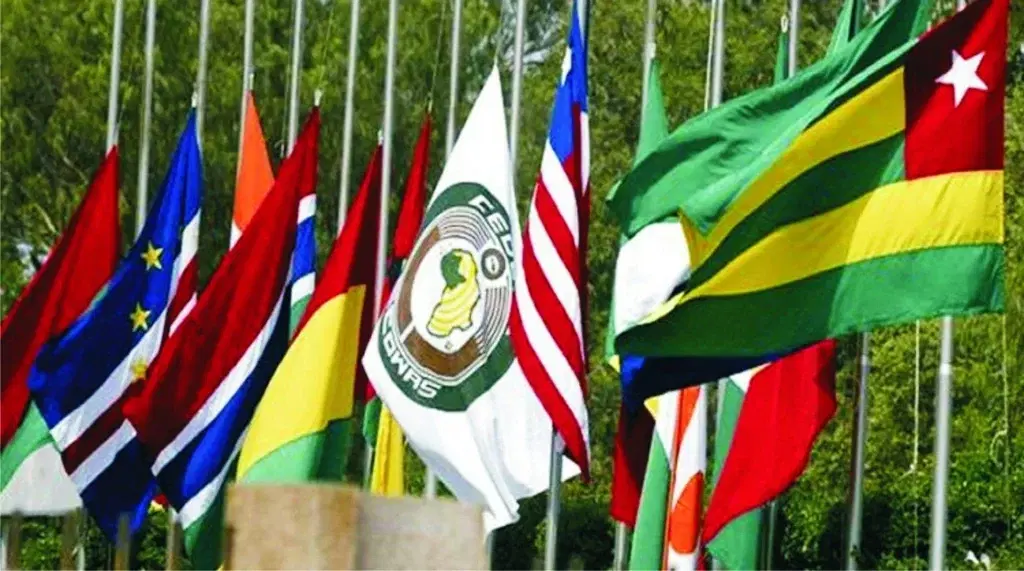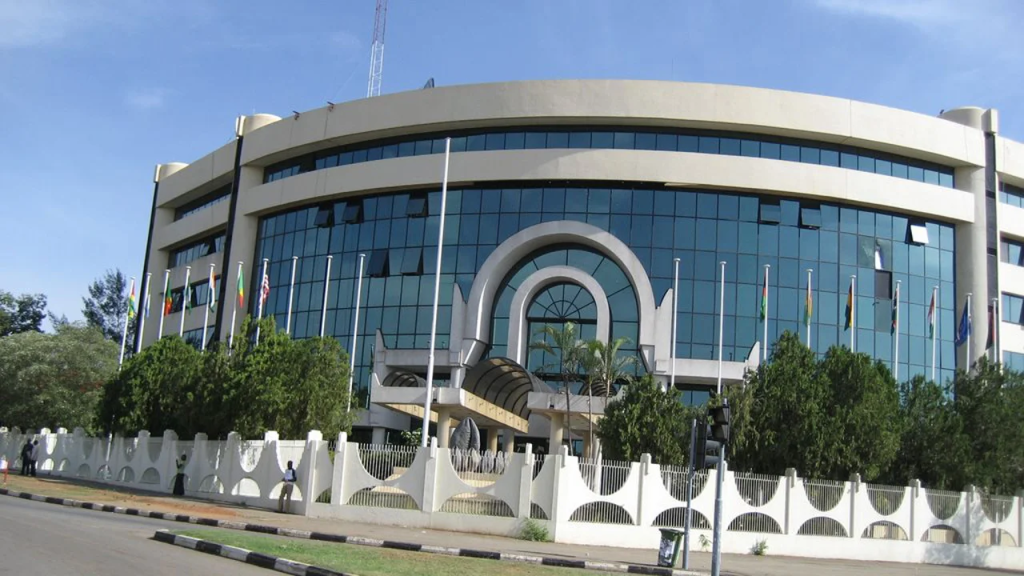
By Obas Esiedesa, Abuja The Economic Community of West African States (ECOWAS) has signed the Intergovernmental Agreement (IGA) for the implementation of the African Atlantic Gas Pipeline (AAGP), marking a major milestone towards the realisation of the multibillion-dollar energy project. The agreement was signed by Heads of State and Government at the 69th Ordinary Summit of ECOWAS held in Freetown, Sierra Leone, and provides the legal and sovereign framework for the 6,900-kilometre pipeline. The pipeline is designed to transport up to 30 billion cubic metres of natural gas annually from Nigeria through 13 West African coastal countries to Morocco, with possible connections to European markets. The Nigerian National Petroleum Company Limited (NNPC Ltd.) described the signing as a significant step in advancing the project, which is being jointly developed by Nigeria and Morocco through NNPC Ltd. and Morocco’s Office National des Hydrocarbures et des Mines (ONHYM). According to NNPC, the agreement gives practical effect to the approval granted by ECOWAS leaders during their December 2024 summit in Abuja. The company said the pipeline would improve energy access, support industrialisation, strengthen regional integration and create a strategic energy corridor linking West Africa, the Sahel, Morocco and Europe. NNPC disclosed that key preparatory activities for the project had been completed, including Front-End Engineering Design (FEED) studies, route surveys, environmental and social impact assessments, as well as the development of legal, regulatory and commercial frameworks. Group Chief Executive Officer of NNPC Ltd., Engr. Bashir Bayo Ojulari, described the agreement as the foundation required to move the project from planning to execution. Ojulari said the pipeline aligns with President Bola Tinubu’s vision of leveraging Nigeria’s abundant gas resources by delivering about three billion cubic feet of gas daily to domestic and international markets. He added that NNPC was committed to working with ONHYM to ensure the successful delivery of the project. Also speaking, ONHYM Director-General, Mrs. Amina Benkhadra, described the agreement as another major achievement for the strategic initiative, noting that it reflected the shared vision of Morocco’s King Mohammed VI and President Tinubu for deeper African cooperation. NNPC said Morocco and Mauritania are expected to complete the intergovernmental framework through separate signings before the establishment of the Pipeline Higher Authority in Abuja and the AAGP Project Company in Casablanca. The two bodies are expected to oversee implementation and prepare the project for the Final Investment Decision. Meanwhile, the Minister of State for Petroleum Resources (Gas), Rt. Hon. Ekperikpe Ekpo, described the agreement as a landmark development that would strengthen regional energy security and economic cooperation. Ekpo, who was part of Nigeria’s delegation led by Vice President Kashim Shettima, said the signing showed that the project had moved from a strategic vision to the implementation stage. He noted that Nigeria, with about 215.19 trillion cubic feet of proven natural gas reserves, the largest in Africa, considers gas a key driver of economic growth, industrialisation and energy security. According to him, the pipeline would expand export opportunities, attract investment, create jobs and support critical sectors including power generation, fertiliser production, petrochemicals and manufacturing across participating countries. The minister reaffirmed the Federal Government’s commitment to increasing gas production, developing infrastructure and maximising the value of Nigeria’s gas resources through domestic utilisation and strategic exports. He also commended ECOWAS member states for endorsing the project, describing the move as a demonstration of regional unity and a shared commitment to Africa’s energy future. The post ECOWAS signs agreement to advance Nigeria-Morocco gas pipeline project appeared first on Vanguard News.
Don't miss out on breaking stories and in-depth articles.