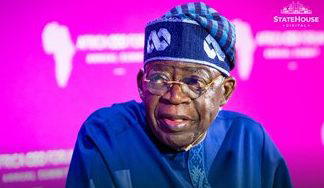
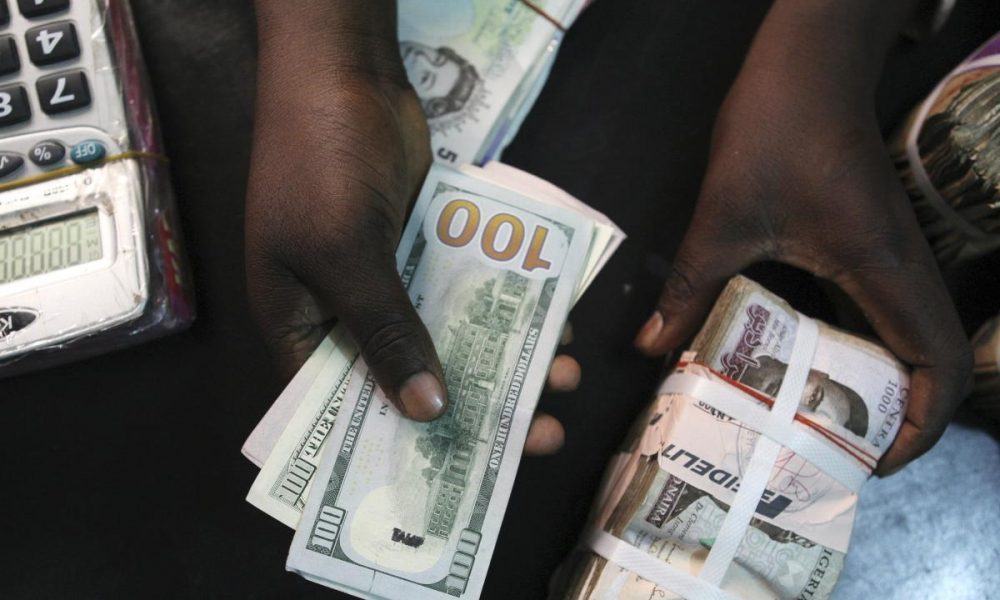
• Says FG generated N21.6tn tax revenue in six months as economy rebounds, reserves hit 17-year high • Senators raise concerns over rising debt, poor budget implementation despite higher revenues Sunday Aborisade in Abuja The Minister of Finance and Coordinating Minister of the Economy, Mr. Taiwo Oyedele, on Monday mounted a robust defence of the Tinubu administration’s borrowing record, insisting that contrary to widespread public perception, the Federal Government had not borrowed anywhere near the N75 trillion to N80 trillion being attributed to the present administration. Instead, he explained that the sharp increase in Nigeria’s public debt was largely the result of the naira’s exchange rate adjustment, the securitisation of inherited Ways and Means advances, and refinancing of maturing obligations rather than fresh borrowing. Oyedele spoke during a four-hour interactive session with the Senate Committee on Finance, chaired by Senator Sani Musa, where he also disclosed that the Federal Government generated N21.6 trillion in tax revenue between January and June 2026, representing a 49 per cent increase over the corresponding period of last year. The meeting, which brought together the nation’s entire economic management team, turned into a searching review of the economy as senators commended improvements in revenue generation but questioned the country’s rising debt profile, weak budget implementation, delayed capital releases and the utilisation of import duty waivers. Providing a detailed explanation of the debt profile, Oyedele rejected claims that the Tinubu administration had borrowed up to N80 trillion. He said: “For external loans, we always require the approval of the National Assembly. What usually happens is that once the National Assembly approves a borrowing plan, many people interpret that as money already borrowed. “We have not even taken half of what the National Assembly approved.” He explained that the figures being bandied about in public discussions did not reflect actual borrowing undertaken by the current administration. According to him, over N40 trillion of the increase in Nigeria’s debt stock resulted solely from the revaluation of existing foreign debts following the depreciation of the naira after the exchange rate reforms. He added that another N33 trillion arose from the securitisation of Ways and Means advances inherited from the previous administration rather than new loans contracted by President Bola Tinubu’s government. Oyedele said: “The actual amount this administration has borrowed is nowhere near what many people believe. “Even for domestic borrowing, much of it is refinancing. Debt that was borrowed previously matures, and the government raises new debt to refinance it. That is not new borrowing.” Responding to concerns that improved revenue generation should have reduced the country’s borrowing needs, Oyedele explained that government expenditure still substantially exceeded available revenues because of growing statutory obligations. According to him, “If our expenditure requirement is N10 and our projected revenue is N6, we borrow N4. If revenue later increases to N7, we still need to borrow N3 because expenditure remains N10.” He stated that major expenditure pressures include debt servicing, implementation of the new national minimum wage, salary adjustments across the public service, education financing through NELFUND and other statutory commitments. Beyond defending the debt profile, Oyedele painted an optimistic picture of Nigeria’s economic outlook, saying reforms initiated over the last three years had rescued the economy from severe distress and restored macroeconomic stability. He said: “Three years ago, our economy was on the brink of severe distress. Today, we have made significant progress. “Macroeconomic fundamentals are improving, investor confidence has returned, fiscal revenues are increasing and the economy is better positioned for sustained domestic and external growth. “These reforms were not easy, but they were necessary. Without them, it would have been almost impossible to stabilise the economy.” According to him, Nigeria’s Gross Domestic Product (GDP) grew by 3.8 per cent in the first quarter of 2026 compared with 3.13 per cent recorded in the corresponding period of 2025, with the non-oil sector accounting for much of the expansion. He disclosed that tax collections climbed to N21.6 trillion during the first half of the year, representing a 49 per cent increase over the same period last year. Oyedele attributed the improvement to ongoing tax reforms, increased digitalisation of revenue administration and stronger compliance. “Allowing tax evasion to persist amount
Don't miss out on breaking stories and in-depth articles.