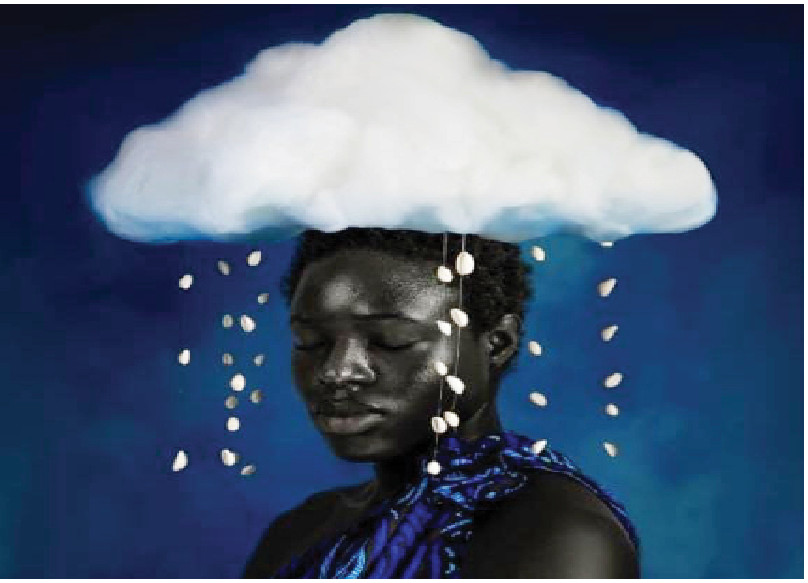
Over the past few years, the Law Firm of Babalakin & Co. has come up with an excellent intervention in the creative industry. The Babalakin Annual Art Competition & Exhibition, has so far, succeeded in showcasing the ingenuity of young artists whose works may otherwise have remained unseen. There are also attractive financial rewards, presented to the winners of the Competition. This year’s edition came with a package of N10 million. Managing Partner of Babalakin & Co., Mr Wale Akoni, SAN spoke to Onikepo Braithwaite and Jude Igbanoi about the importance of the steps that the Firm has taken to invest in young artists, giving them a platform to showcase their works, while also introducing them to the legal and commercial structures necessary to build sustainable careers. One of the objectives of the Competition, is to evolve into a leading platform where creative talent across Africa, is discovered What is the essence of this Art Initiative started by Babalakin & Co.? What legacy do you hope this initiative will leave for the next generation of artists? Our defining philosophy has always been excellence without compromise. Since 1988, the firm has remained committed to delivering practical, solution-oriented legal services with professionalism, integrity, and an unwavering focus on client value. What is the connection between the law and the arts? What type of intervention can Lawyers provide for artists? Is it Intellectual Property, Trademarks and Patents? We see the iconic painting of “Tutu” by renowned artist, Ben Enwonwu for example. Do all the copies emanate from him? Does he get royalties from them? How does the Art Competition and Exhibition address the predominantly informal nature of Nigeria’s creative industry, particularly in promoting formalisation, legal compliance and professional standards? The connection between law and the arts, lies in the fact that creative works generate legal rights. The law provides the framework through which those rights are protected, managed, and commercialised. It enables artists to retain ownership of their work, control how it is used, and derive value from it. Lawyers support artists in areas such as copyright, trademarks, licensing, contracts, royalties, and dispute resolution. Using Ben Enwonwu’s work as an example, the relevant question is whether reproductions of the work have been authorised by the copyright owner. Where reproductions are licensed, the rights holder may be entitled to royalties; where they are not, issues of copyright infringement may arise. The Art Competition and Exhibition seek to address the informal nature of the creative industry, by introducing participants to professional and legal structures that support artistic practice. Beyond exhibiting their work, participants are exposed to concepts such as intellectual property protection, licensing, contracts, and rights management. The objective is to encourage artists to approach their work, as both a creative endeavour and a professional undertaking. What challenges do young Nigerian artists face in protecting their intellectual property, and how does the competition help address these issues? The Nigerian Government has increasingly recognised the creative industry as an important contributor to economic growth, employment, and diversification. Recent developments, including the Copyright Act, 2022 and broader intellectual property policy initiatives, reflect an intention to create a more supportive environment for creatives. Babalakin & Co’s Art Exhibition & Competition complements those efforts, by investing in talent at the earliest stages of development. It provides young artists with a platform to showcase their work, while also introducing them to the legal and commercial structures necessary to build sustainable careers. In that sense, it supports the broader objective of transforming creativity into the delivery and sustained generation of measurable economic value. How are participants educated or sensitised about their legal rights, including copyright ownership, licensing, and moral rights? The development of any creative economy, requires participation from both the public and private sectors. While the Government establishes the regulatory framework, private institutions often provide the practical opportunities through which those frameworks become meaningful. Initiatives such as Babalakin & Co’s Art Exhibition & Competition create awareness, expose artists to professional standards, and encourage engagement with structures that support the commercialisation of creative works. They also help bridge the gap between talent and opportunity by connecting artists to professionals, businesses, and audiences who can contribute to their growth. How can collaborations between law firms, media, and policymakers strengthen support syst
Don't miss out on breaking stories and in-depth articles.