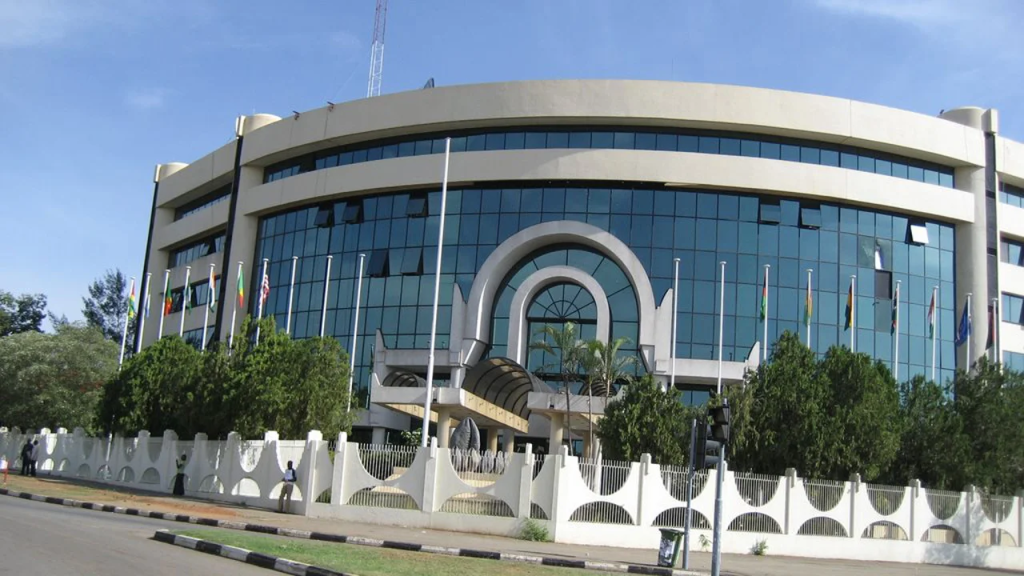
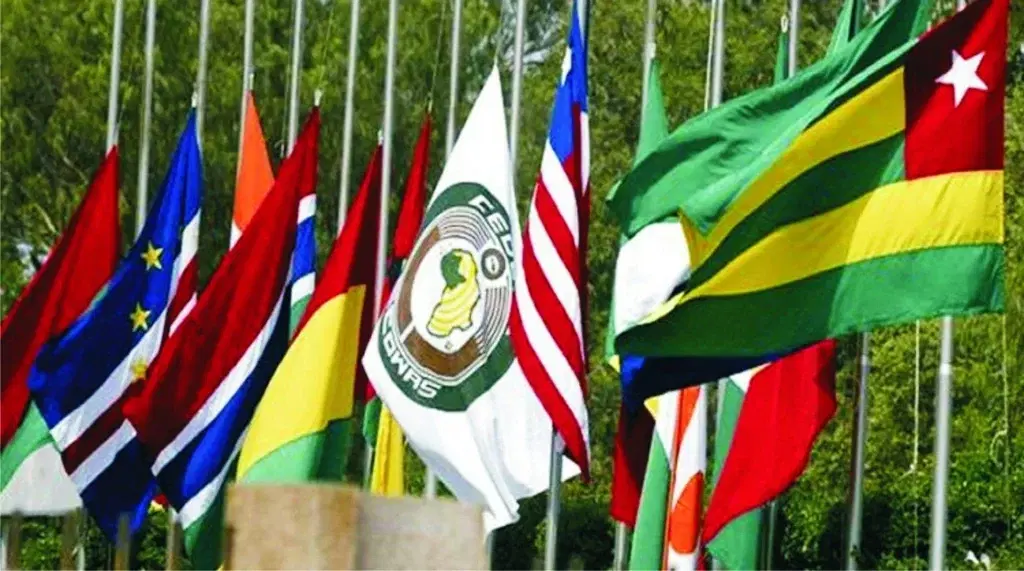
• Ekpo says project will unlock Nigeria’s 215.19 Tcf gas reserves •6,900km pipeline to traverse 13 countries, first gas due in 2031 Emmanuel Addeh in Abuja The Economic Community of West African States (ECOWAS) has approved the implementation of the $27 billion Nigeria-Morocco Gas Pipeline, a 6,900-kilometre energy infrastructure project designed to transport up to 30 billion cubic metres (bcm) of natural gas annually from Nigeria through 13 West African countries to Morocco before linking with Europe. The milestone was reached at the weekend in Lungi, Sierra Leone, where Heads of State and Government of the regional bloc signed the Inter Governmental Agreement (IGA) for the project during the 69th Ordinary Session of the ECOWAS Authority, signalling the formal transition of the project from planning to implementation. Nigeria’s Minister of State for Petroleum Resources (Gas), Ekperikpe Ekpo, who joined the Nigerian delegation led by Vice President Kashim Shettima, hailed the unanimous endorsement by member states, characterising it as a major breakthrough for regional energy cooperation. Describing the agreement as a defining milestone, Ekpo said the project has now moved decisively from vision to implementation, reflecting the shared resolve of West African leaders to deliver one of the continent’s most strategic energy infrastructure projects. According to him, the pipeline will unlock Nigeria’s vast natural gas resources, strengthen regional energy security, expand export opportunities and accelerate industrial growth across the sub region. Highlighting Nigeria’s strategic advantage, the minister stated: “For Nigeria, this is particularly important because we hold approximately 215.19 trillion cubic feet of proven natural gas reserves, the largest in Africa, and we see gas as a central pillar of our economic transformation, industrialisation and energy security strategy. “This agreement gives further momentum to our ambition to move from being merely a gas rich country to becoming a gas powered economy and a dependable regional and global energy partner.” Ekpo stressed that the project would deliver broad economic benefits beyond gas exports. “The pipeline will also catalyse investment, create jobs and support power generation, fertiliser production, petrochemicals, manufacturing and other gas based industries across participating countries,” he said. He reaffirmed the commitment of the administration of President Bola Tinubu to expanding gas production, developing critical infrastructure and maximising the value of Nigeria’s abundant gas resources through increased domestic utilisation and strategic exports. Ekpo also thanked ECOWAS member states for their unanimous support, describing it as a strong demonstration of regional solidarity and collective commitment to Africa’s energy future. Speaking at the summit, Chairman of ECOWAS and President of Sierra Leone, Julius Maada Bio, announced the formal signing of the agreement. “We have already signed the West Africa Morocco gas pipeline. Don’t be surprised when the gas comes your way,” Bio said, expressing confidence that the project would become a reality. Earlier, Morocco’s National Office of Hydrocarbons and Mines (ONHYM) and the Nigerian National Petroleum Company Limited (NNPC) said the project aims to connect West Africa’s abundant gas resources to key regional markets while creating a new development corridor linking West Africa, the Sahel, Morocco and Europe. The next phase, it was learnt , would involve establishing a project company headquartered in Casablanca, Morocco, as well as a governing authority to be based in Abuja before bringing investors on board and taking a Final Investment Decision (FID). First proposed during the visit of Morocco’s King Mohammed VI to Abuja in 2016, the Nigeria Morocco Gas Pipeline has gained renewed strategic relevance following Algeria’s decision in 2022 to suspend gas supplies to Spain through Morocco after diplomatic relations between the two countries deteriorated. Construction of the pipeline is expected to commence in 2028, with first gas deliveries targeted for 2031. Upon completion, the project is expected to improve energy access across West Africa, strengthen regional energy security, deepen economic integration, support industrialisation and provide an alternative route for exporting Nigerian gas to Europe.
Don't miss out on breaking stories and in-depth articles.