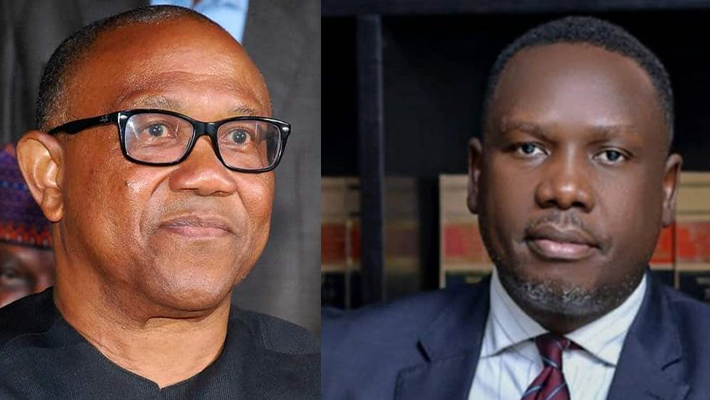
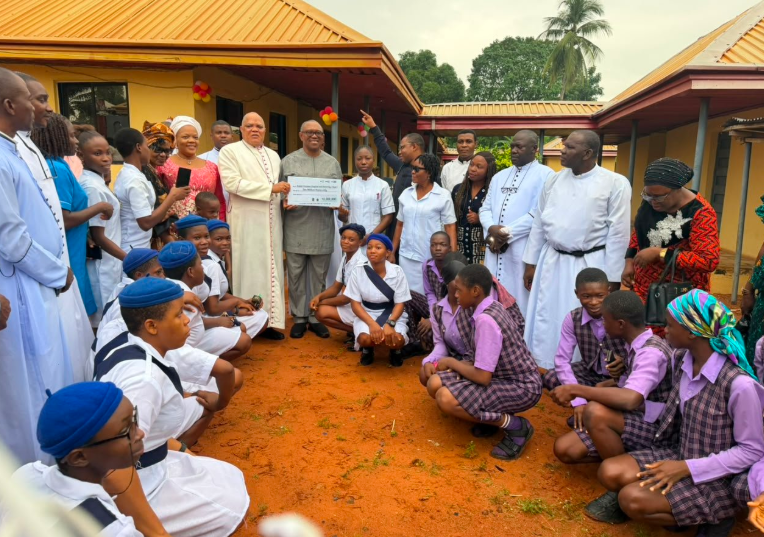
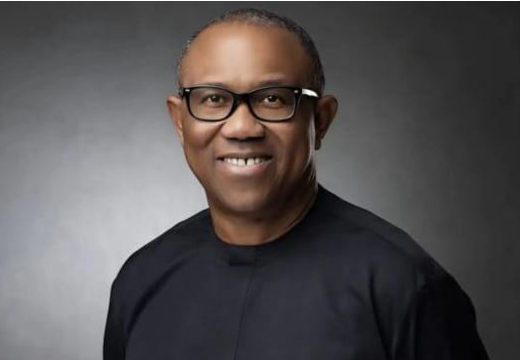
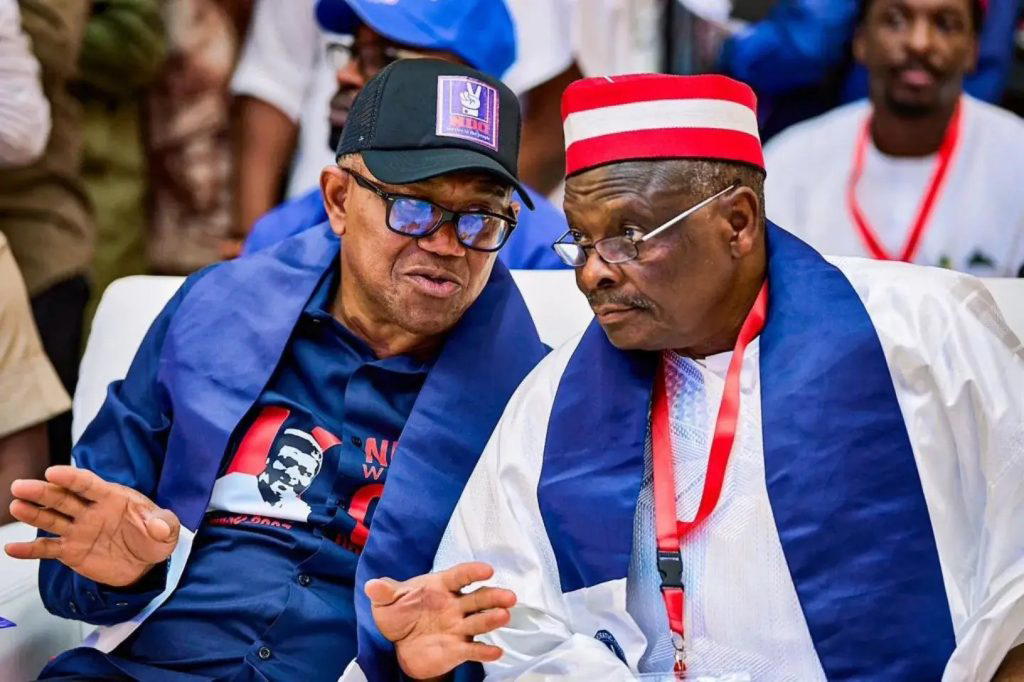
KALU OKORONKWO pays tribute to Peter Obi, presidential candidate of the Nigeria Democratic Congress in the 2027 general elections “The true measure of a leader is not found in the office he occupies, but in the values, he leaves behind, the institutions he strengthens, and the hope he inspires in those who never meet him.” –Anonymous Political history often remembers leaders by the offices they held, the elections they won, or the power they exercised. Time, however, is a far sterner judge. It asks not how long they occupied power but what they did with it. Did they strengthen institutions or merely consolidate personal influence? Did they elevate public discourse or diminish it? Did they leave behind a culture of accountability or one of entitlement? Above all, did they inspire citizens to believe that leadership is ultimately defined by character rather than convenience? Those are the enduring questions that frame any serious reflection on Mr. Peter Gregory Obi, the presidential candidate of the Nigeria Democratic Congress (NDC) in the 2027 general elections, as he marks his 65th birthday. Born on 19 July 1961 in Onitsha, Anambra State to a devout Christian family with roots in Agulu, Obi received his secondary education at Christ the King College, Onitsha, before studying Philosophy at the University of Nigeria, Nsukka, where he graduated in 1984. Over the years, he broadened his education through executive programmes at institutions including Lagos Business School, the International Institute for Management Development (IMD), Switzerland; Harvard Business School; Saïd Business School, University of Oxford; Cambridge Judge Business School; and the Kellogg School of Management. Those experiences complemented his business background and helped shape the leadership philosophy for which he later became known. To many Nigerians, Obi is the former Governor of Anambra State whose emphasis on fiscal prudence, accountability, and disciplined public finance reshaped conversations about governance. To others, he is the Labour Party’s presidential candidate in the 2023 election, whose campaign evolved into an unprecedented civic movement that mobilised millions of young people, professionals, first time voters, and citizens seeking a different model of political leadership. Admirers regard him as a symbol of competence, integrity, and restraint in public office. Critics question whether his cautious, managerial approach is sufficiently suited to the complex compromises required in national politics. Such contrasting assessments are neither unusual nor unhealthy. Every influential political leader attracts admiration and scrutiny in equal measure. What ultimately distinguishes statesmen from ordinary politicians is not universal approval but their ability to reshape public expectations and influence national conversations long after campaign slogans have faded. Measured against that standard, Peter Obi has become more than a perennial presidential contender. He has emerged as one of the central figures in Nigeria’s endless debates about leadership, governance, and public accountability. His public journey mirrors, in many respects, the aspirations and contradictions of contemporary Nigeria. It is the story of a businessman who ventured into politics without the traditional machinery of political godfatherism; a governor who challenged conventional assumptions about public finance; a presidential candidate who transformed electoral participation into a broad civic movement; and a public figure whose influence increasingly transcends party affiliation. Whether one agrees with his politics or not, few would dispute that Obi has compelled Nigerians to confront difficult questions about governance, public expenditure, institutional integrity, and the relationship between leadership and character. In a political culture often shaped by patronage and personality, that contribution alone has secured him a distinctive place in Nigeria’s democratic evolution. However, beyond the applause and the criticism lies a larger reality: Obi has become one of the defining political figures of contemporary Nigeria. He has forced the nation to revisit an enduring question: what qualities should truly define leadership? When Singapore’s founding Prime Minister, Lee Kuan Yew, insisted that integrity mattered more than popularity, he transformed a resource poor island into one of the world’s most efficient economies. When José Mujica, the former President of Uruguay, rejected presidential extravagance in favour of personal simplicity, he demonstrated that public office could co-exist with humility. When Angela Merkel governed Germany with disciplined accountability and restraint rather than political theatrics, she earned international respect for stability over spectacle. When Nelson Mandela chose reconciliation over re
Don't miss out on breaking stories and in-depth articles.