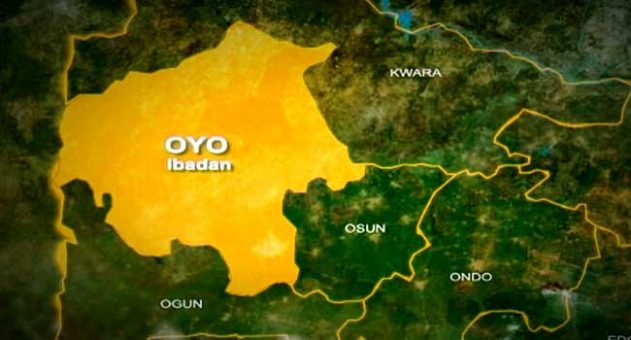
By Adeola Badru Stakeholders in Oyo State have called for stronger collaboration among security agencies, traditional institutions, farmers, herders and local communities to tackle kidnapping and other security challenges across Nigeria. They also warned against the ethnic profiling of Fulani people over criminal activities committed by individuals, stressing the need to distinguish between law-abiding citizens and criminals. The stakeholders made the call at a high-level security meeting held in Oyo State on Wednesday following the abduction of teachers and students in Oriire Local Government Area. The meeting brought together Fulani leaders, security agencies, farmers, traditional rulers and community representatives to deliberate on rising insecurity, kidnapping, farmer-herder conflicts and ways to strengthen peaceful coexistence between Fulani communities and their host communities. At the end of the meeting, participants resolved to work collectively towards sustaining peace, improving intelligence sharing and strengthening cooperation between communities and security agencies. Speaking at the event, Chairman of the Oyo State chapter of the Miyetti Allah Cattle Breeders Association of Nigeria (MACBAN) and convener of the meeting, Ibrahim Jiji, said the gathering was aimed at drawing attention to security concerns affecting Fulani communities while encouraging collective responsibility in maintaining peace. Jiji acknowledged the efforts of the Oyo State Government in promoting peace and security but stressed that government alone could not guarantee safety without active participation from citizens. “We, the people, also have a responsibility to ensure peace,” he said. He expressed concern over the tendency to associate criminal activities with the entire Fulani community, noting that many innocent Fulani people had suffered discrimination because of the actions of individuals involved in crime. According to him, criminality should be treated as an individual responsibility rather than an ethnic issue. “We are not criminals. We are not kidnappers. If we have a Fulani who is a criminal, we will not hide him. Likewise, if there is a criminal among our host Yoruba communities, they should not hide him. This is how to ensure peace,” he said. The National President of MACBAN, Alhaji Baba Othman Ngelzarma, who was represented by A.B. Danmasani, commended the peaceful relationship between Fulani communities and their host communities in Oyo State. Ngelzarma described the relationship as a model for other parts of the country, while expressing concern over the decline in social cohesion in some areas where ethnic and communal tensions have created divisions. He urged wealthy members of the Fulani community to do more to support vulnerable members of society and called on traditional rulers, community leaders and citizens to work with security agencies to promote peace. Representing the Chairman of Oyo West Local Government Area, Muyideen Adeyemi, said relations between Yoruba residents and Fulani communities in the council area remained cordial. He explained that the engagement was part of wider efforts to improve security and peaceful coexistence across the state. Adeyemi, however, stressed the need for greater involvement of traditional rulers, noting that Obas and community leaders were better positioned to communicate government policies and security messages to residents, particularly in rural areas. He also urged MACBAN leaders across the state to establish stronger partnerships with local government authorities. Representing the Oyo State Farmers’ Council, Alhaji Oladeji Emmanuel said farmers and Fulani herders should not be seen as enemies, arguing that most disputes between both groups were driven by economic interests. “Agbe (farmers) and Fulani are not enemies towards one another. The issues between them are economic—the properties between them,” he said. He called for improved communication among farmers, herders, traditional rulers and local authorities to prevent conflicts. Speaking on behalf of the Commissioner of Police, the Divisional Police Officer of Afijio Division, CSP Mojid Lawal, commended the Fulani leadership for organising the meeting, describing it as consistent with the community policing strategy of the Nigeria Police Force. Lawal supported increased involvement of traditional rulers in peace efforts, saying they had the influence needed to pass security messages to rural communities. He also acknowledged concerns over the growing tendency to blame all criminal activities on Fulani people. A representative of the D
Don't miss out on breaking stories and in-depth articles.