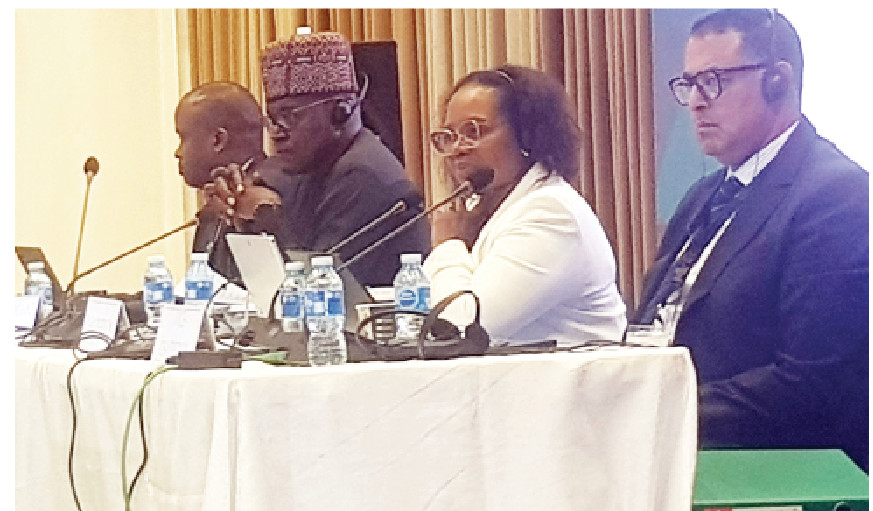
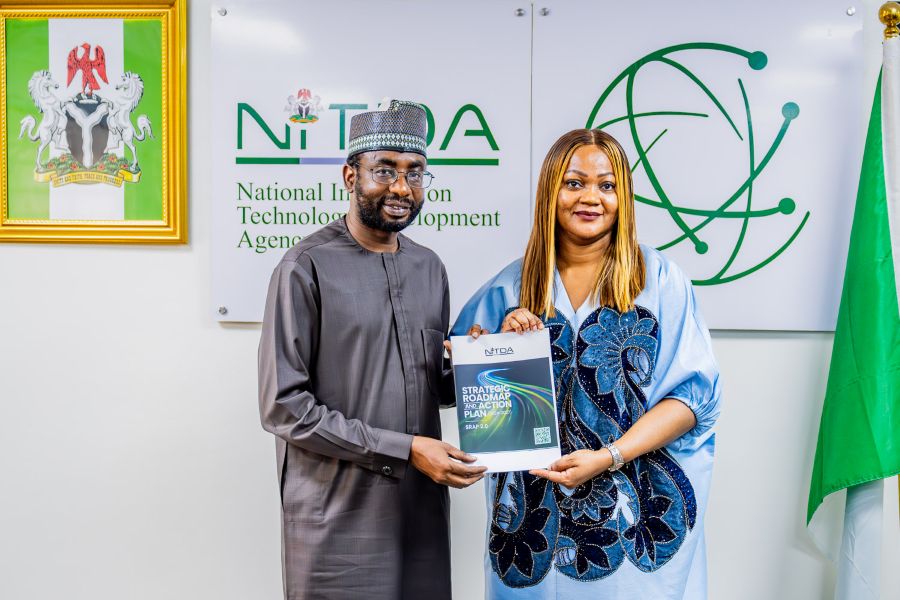
By Engr. Aliyu Yusuf Aboki As the global community marks two decades of the World Summit on the Information Society (WSIS), attention is shifting from defining digital ambitions to delivering measurable outcomes. During the high-level WSIS Forum 2026 session, Africa’s Digital Roadmap to 2035: Implementing WSIS+20 Outcomes, Advancing Agenda 2063 and Accelerating Inclusive Digital Transformation, leaders from across the continent converged on a common message: Africa’s digital future will be determined not only by expanding connectivity, but by strengthening digital governance, investing in skills, financing resilient infrastructure, advancing artificial intelligence readiness and deepening regional cooperation. The discussion underscored that implementing the WSIS+20 outcomes requires coordinated action that aligns continental priorities with Agenda 2063 while ensuring that digital transformation creates tangible opportunities for citizens, businesses and communities across Africa. That broader conversation reflects a reality increasingly recognised by regulators across the continent. While significant progress has been made in extending broadband networks and digital infrastructure, the next phase of Africa’s digital transformation will depend on the strength of the institutions that guide it. As digital technologies become embedded in every sector of the economy, from healthcare and education to finance, agriculture and public administration, regulatory institutions must be equipped to respond to emerging challenges, foster innovation and ensure that digital progress translates into inclusive economic and social development. Building institutional capacity is therefore no longer a complementary objective; it is fundamental to delivering meaningful connectivity and achieving Africa’s long-term digital ambitions. Every time an African farmer receives a mobile payment, a truck crosses a border using digital customs systems, a nurse consults a specialist remotely, a student attends an online class, or an entrepreneur launches an online business, telecommunications is quietly powering an economic opportunity. It has become the invisible infrastructure that enables modern economies to function. Today, mobile technologies and services contribute approximately US$240 billion to Africa’s economy, representing more than 8% of the continent’s GDP, while supporting millions of jobs directly and indirectly. The sector’s impact extends far beyond mobile network operators. It sustains mobile money agents, device retailers, software developers, digital entrepreneurs, logistics providers, content creators and thousands of small businesses whose livelihoods depend on reliable connectivity. More importantly, it enables almost every sector of the economy to become more productive and inclusive. For much of the past two decades, digital transformation has rightly focused on expanding network coverage and connecting communities. While these priorities remain essential, the continent has reached a point where connectivity alone is no longer enough. The next phase of Africa’s digital transformation will depend on whether we build institutions that can transform connectivity into inclusive economic opportunity. Telecommunications Is No Longer Just an ICT Issue The digital economy is no longer confined to the ICT sector. It is the platform upon which every other sector increasingly depends.Healthcare is expanding through telemedicine, electronic health records and digital disease surveillance. Education is reaching learners through online platforms and digital classrooms. Agriculture is becoming more resilient through weather forecasting, digital extension services and access to market information. Manufacturers rely on connected supply chains, while financial services continue to deepen inclusion through mobile money and digital payments. Governments are digitising public services, making them more efficient, transparent and accessible. Even Africa’s electrification agenda is becoming increasingly dependent on digital infrastructure. Smart grids, renewable energy systems, remote monitoring, smart metering and rural electrification projects all require reliable telecommunications networks. As Africa accelerates investments in clean energy and industrialisation, digital infrastructure and energy infrastructure must increasingly be planned together rather than separately. Africa’s Digital Economy Presents One of the World’s Greatest Investment Opportunities. Home to the world’s youngest population, a rapidly expanding middle class and increasing demand for digital services, the continent is well positioned to become one of the fastest-growing digital markets globally. Realising that opportunity, however, will require significant investment. Industry estimates suggest that approximately US$77 billion will be needed over the c
Don't miss out on breaking stories and in-depth articles.