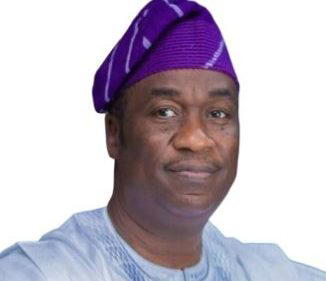
Deputy Governor of Lagos State and candidate of the All Progressives Congress for the 2027 gubernatorial election in the Centre of Excellence, Dr Kadri Obafemi Hamzat, in this interview reflects on his philosophy of leadership and governance, offering insights into the challenges and opportunities facing Lagos. He discusses issues ranging from infrastructure, housing and environmental sustainability to politics, urban development and the future of Africa’s largest city, while outlining his vision for building a more resilient, inclusive and globally competitive Lagos. Excerpts: You currently serve as Deputy Governor and have now emerged as your party’s governorship candidate. Many Lagosians have different perceptions of the role you hope to play if elected from next year. How do you define the role of a governor, and what leadership philosophy would guide your administration? A – Well, thank you very much. The role of a governor is like that of the captain of a team. There are many experts who run a state, but the governor’s job is to captain that team, align expertise with vision, and guide delivery. We have ministries implementing projects and policies, but the real question is: How does every policy affect the ordinary Lagosian? Whether we build a new hospital or clear drainage channels, how does it improve people’s lives? That is the job of government—to ensure that everything we do, from budgeting to implementation, positively impacts the quality of life of our citizens. That is the responsibility of a governor, and it is something I take very seriously. This administration has done a lot of work. You are familiar with the THEMES+ Agenda, which serves as the guiding framework for everything we do. We have undertaken many projects, but the truth is that no administration completes everything. Government is a continuum. Our responsibility is to complete as much as possible and prepare the next administration to build on what we have done. We have a 25-year development master plan that extends to 2050. The objective is to ensure continuity, so that successive administrations can continue implementing that vision. For example, we built the Blue Line and the Red Line rail projects. They are not yet fully completed. The Blue Line still needs to be extended, and eventually linked with the Red Line at Marina. Hopefully, a future administration will extend the Red Line from Ikeja to the airport. These are capital-intensive projects, but there are many other priorities as well. Our focus is to finish strong by completing ongoing projects and putting policies in place so that the next administration can hit the ground running. In practical terms, what are the key priorities you are presenting to Lagosians in your manifesto, and what should residents expect within your first four years in office? Our manifesto is ready. It is a very comprehensive document—about 537 pages. There are many things we want to accomplish. At the moment, we are engaging market women, transport operators, artisans, professionals and experts to determine what should receive priority. We are also costing every proposal. We are preparing one-year, two-year, three-year and four-year implementation plans, taking inflation and possible price variations into account. For example, we want to ensure that at least 60 percent of Lagosians have access to potable water within the first two years. We are examining what it will cost to rehabilitate water reticulation systems. Many pipelines are old and damaged. Current estimates are around N97 billion, so we have to determine which projects should come first and how to mobilise the required capital. Our manifesto covers education, healthcare, infrastructure and many other sectors. One thing we have observed is that many responsibilities need to be decentralised. More importantly, our society needs to become better organised. That, in my view, is one of the greatest challenges facing not just Nigeria but much of West Africa. Whether you go to Accra, Lagos or Freetown, the same issues exist. We simply need to become more organised and make life more predictable. Take Lagos, for example. If my vehicle breaks down, I should not have people harassing me. Within the first six months of our administration, that is something we must address. It should not happen. Beyond the big projects, we must organise our society better. We are currently installing solar-powered street lights across the state. But those projects must translate into tangible improvements in people’s lives. People should be able to move around safely at night. A thriving night-time economy depends on security and proper lighting. One of our priorities is improving the way people live by ensuring security. We will invest whatever resources are necessary to stre
Don't miss out on breaking stories and in-depth articles.