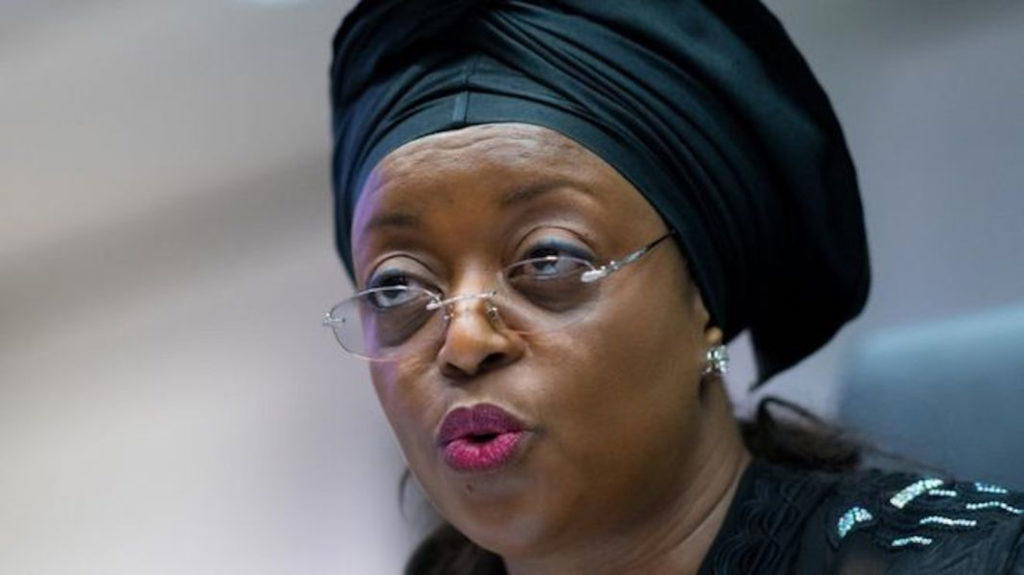
David Onyeri Following the discharge and acquittal of the former Minister of Petroleum Resources, Mrs Diezani Allison-Madueke by a UK court after she and other former key players and other stakeholders in Nigeria’s oil and gas industry had suffered reputational damage, the Nigerian government owes them restitution and an additional obligation of ensuring that their successors also clear themselves of allegations surrounding the N210 trillion alleged to be missing in the NNPC Limited. Last month, the London’s Southwark Crown Court cleared Diezani, who was Nigeria’s petroleum minister between 2010 and 2015 and the first female president of the oil exporters group, Organisation of Petroleum Exporting Countries (OPEC), of five counts of accepting bribes from wealthy oil executives in the form of luxury home stays and lavish spending sprees in the UK. Also cleared by the court were her older brother, Doye Agama, 69, an archbishop at a Pentecostal church in Manchester, who was acquitted of conspiracy to commit bribery; and oil industry executive, Olatimbo Ayinde, 54, who was cleared of allegations of bribery of a foreign public official. The verdict was a blow for the UK’s National Crime Agency (NCA), which investigated one of Africa’s most prominent political figures for 13 years. From the start of the trial in January, her defence lawyers questioned the fairness of the prosecution’s case, alleging that vital documents showing her innocence had gone missing in Nigeria, revealing an official conspiracy by agents of the Nigerian government to ensure she was jailed unjustly. After leaving office in 2015, Diezani, alongside her family members and associates became the worst victims of former President Muhammadu Buhari’s vindictive anti-corruption campaign. For several years, Diezani, her associates, family members and former oil and gas industry stakeholders, including bankers, were maligned, tried in the media and declared guilty of humongous corruption without any iota of evidence except mere speculations. Some of the other victims of the vicious corruption allegations include her son, Ugonna Alison-Madueke; her cousin and private lawyer, Donald Chidi Amamgbo; some of Nigeria’s best-known indigenous oil businessmen – Kolawole Aluko and Olajide Omokore. Others include several senior banking executives, including former Fidelity Bank Managing Director, Nnamdi Okonkwo; a former First Bank Executive Director, and current Governor of Zamfara State, Dauda Lawal, as well as a former Sterling Bank Executive Director, Lanre Adesanya, These vicious campaigns also attempted unsuccessfully to taint the hard-earned reputation of other distinguished oil and gas industry professionals across finance, legal, engineering, exploration, procurement and commercial operations, including a former Managing Director (GMD) of the NNPC, Andrew Yakubu, who was also discharged and acquitted by the courts; and another distinguished former GMD, Austen Oniwon. Others include a former Deputy Group Managing Director of NNPC, Bernard Otti; a former Executive Secretary of the defunct PPPRA, who introduced landmark reforms that cleaned up the subsidy frauds, Reginald Stanley; and a former Director of the defunct DPR, Babs Omotowa, among other distinguished professionals. Agents of the administration of the late President Buhari and the Economic and Financial Crimes Commission (EFCC) effectively used media trials to slander the former minister and some of these oil and gas industry professionals, as well as reputable business and banking executives. Many Nigerians believe that Buhari’s inept leadership used allegations of corruption against key actors in the administration of former President Goodluck Jonathan and some private sector players to distract the attention of Nigerians from its obvious cluelessness and mismanagement of the Nigerian economy. During her tenure, the former minister and her team initiated and implemented some of the most successful reforms in the history of Nigeria’s oil and gas industry. To their credit, some of these maligned official’s superintended over the signing of the Nigerian Oil and Gas Industry Content Act (NOGICD) Act by former President Jonathan in April, 2010, which has tremendously increased the participation of indigenous facilities and local manpower in the oil and gas industry. They also played key roles in the initial drafting of the Petroleum Industry Bill (PIB), signed into law as the Petroleum Industry Act (PIA), which replaced all the obsolete legislations in the Nigerian oil and gas sector. Diezani and her team also facilitated major landmark deals in the sector, including the first divestment of major onshore oil-producing assets by the International Oil Companies (IOCs), with the sale of Oil Mining Leases (OMLs) 4, 3
Don't miss out on breaking stories and in-depth articles.