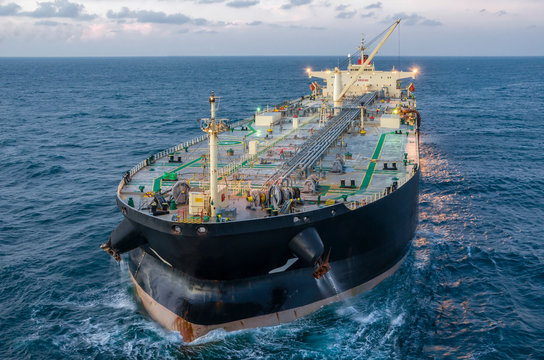
Analysts warn fuel and shipping costs are rising even faster than oil.Leon Neal/Getty ImagesOil futures have surged 30% in a month to top $100 a barrel.Diesel, jet fuel, shipping and insurance costs are rising even faster than crude.Supply risks are now bigger than at any point in the war, analysts say.Oil prices have surged over 30% over the past month to breach $100 a barrel as renewed US-Iran fighting in the Middle East threatens global energy supplies.Attacks in the Red Sea are also adding to disruptions through the Strait of Hormuz, putting two key oil-shipping routes under pressure.But it's not just oil that's getting more expensive.Shipping costs and the cost of refining oil into fuel are rising even faster than crude prices, analysts say, threatening to push up prices for diesel, jet fuel, and gas if the conflict drags on."Spot crude price alone is misleadingly benign," Vishnu Varathan, the Asia Pacific head of macro strategy at Mizuho, wrote in a note on Friday.Refined-fuel premiums have surged, he added, showing that the energy shock is far greater than $100 Brent would ordinarily suggest.Brent crude oil futures were trading around $100 a barrel early on Friday after hitting the key level on Thursday. US West Texas Intermediate futures were around $92 a barrel.Brent crude briefly hit $126 a barrel in late April before retreating as strategic oil stock releases, weaker demand, and an interim US-Iran truce eased supply fears. Recent developments have shattered that calm.The turmoil is driving up freight and insurance costs and making it more expensive to move oil and fuel around the world.Mizuho estimates that shipping costs could rise from roughly $10 to $12 a barrel to as much as $15 to $20 a barrel.The biggest pressure may not be in crude itself, but in fuels made from it.Fuel markets are getting even tighterBased on current crude prices and refining margins, Mizuho's Varathan estimates diesel is effectively priced at more than $180 a barrel, doubling from about $93 earlier this year.The refining premium for diesel alone has nearly tripled to more than $80 a barrel, Varathan added.Commodity strategists at ING also pointed to tightening diesel supplies, particularly as Russia — the world's second-largest shipper of the fuel — reportedly considers extending its export ban on the product."The potential supply disruptions facing the market now are larger than at any time during the war," the strategists wrote.The squeeze extends to natural gas."Globally, the key issue versus the last phase of attacks is that stock levels are already incredibly low," said Ellen Fraser, an energy expert and advisory partner at consultancy Baringa on Thursday.Europe would normally be building up gas reserves ahead of winter, but storage levels remain unusually low for this time of year, Fraser said. The US has also drawn down its strategic oil reserves.While alternative crude supplies have helped cushion the oil market, refined fuels such as gasoline, diesel and aviation fuel are rising faster than crude, Fraser said, reflecting growing concern that those products are becoming harder to find."In effect, it's getting tight," Fraser added.Read the original article on Business Insider
Don't miss out on breaking stories and in-depth articles.