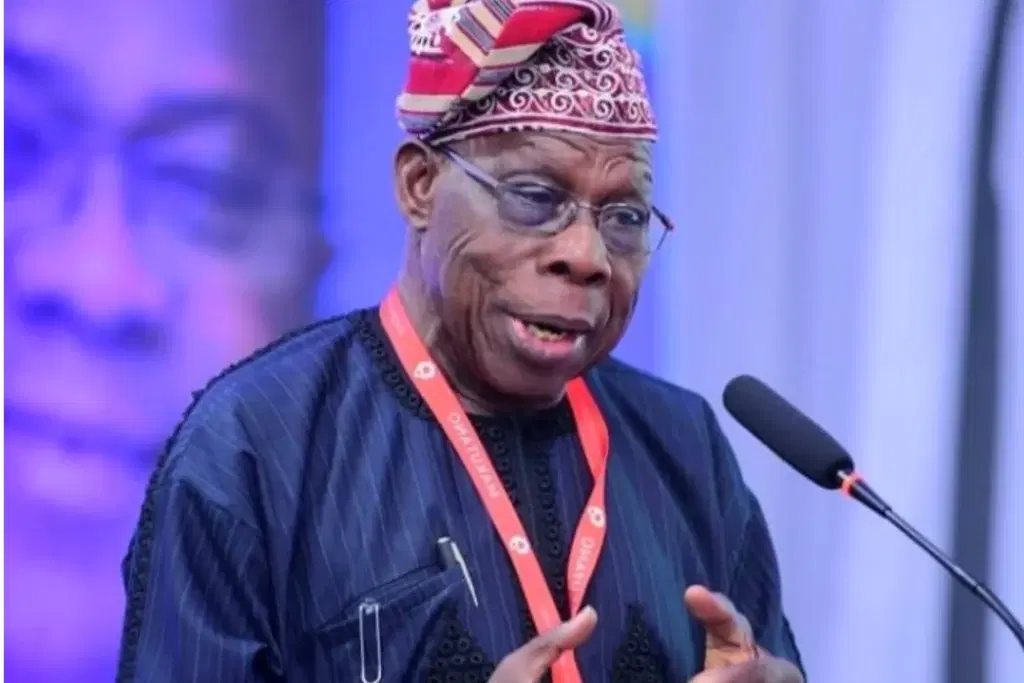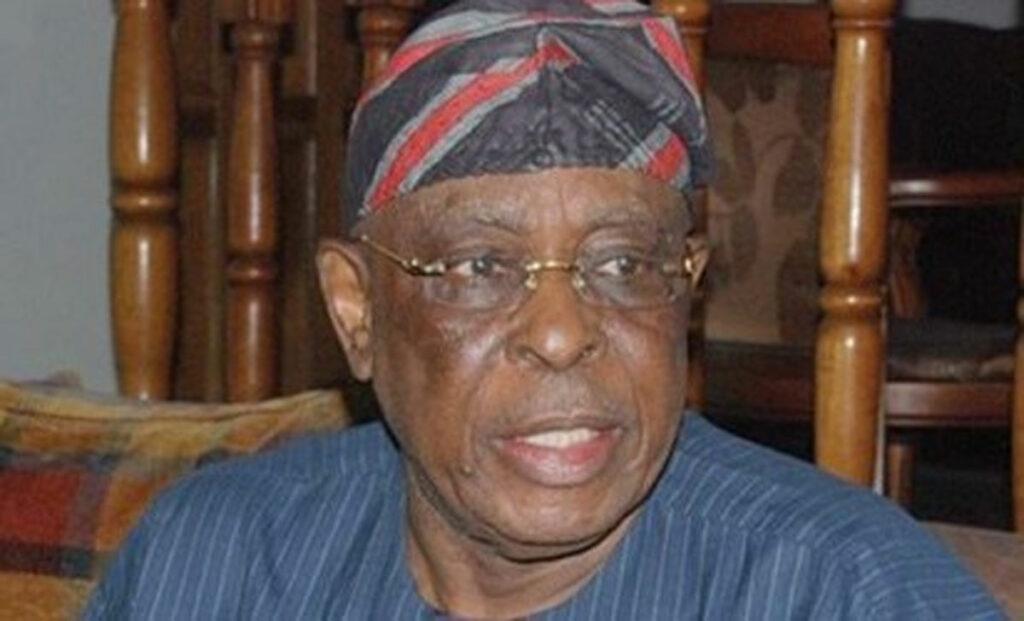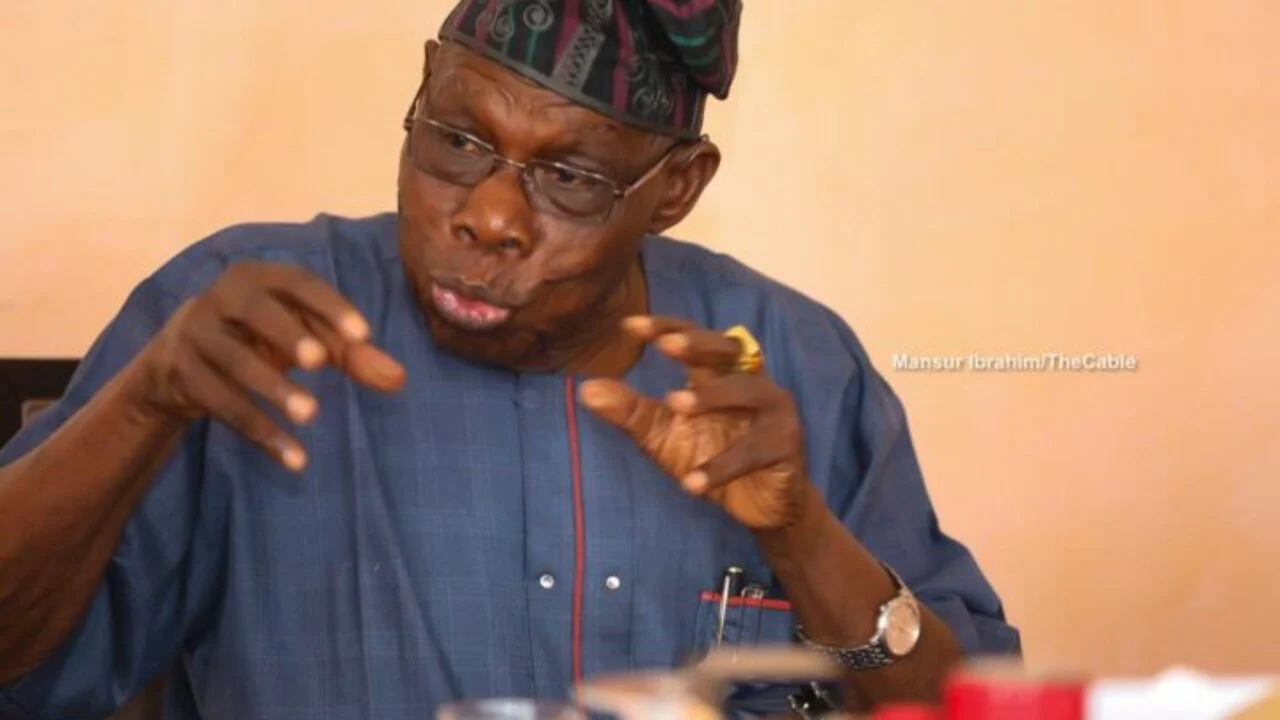
Former President Olusegun Obasanjo on Thursday denied the allegation of deceitful romance and betrayal of the trust of the leaders of the Alliance for Democracy (AD) in the build-up to the 2003 general elections, levelled against him by former governor of Ogun State, Aremo Olusegun Osoba. Obasanjo, in a very lengthy letter dated 23 July 2026, authored by himself and addressed to Aremo Osoba, emphatically insisted that opposition governorship candidates on the AD platform grossly misunderstood the “behind-the-scenes political negotiations” of the period; hence, their defeat was total. The former president, President letter titled “Reply to Your Inaccurate Posture: ‘How Obasanjo Deceived Us in 2003 ‘,” stated that he never deceived anybody, but stressed that the political realities during the 2003 electioneering campaign were such that they called for an alliance with the opposition to drive national unity. Obasanjo’s latest letter was apparently his response to an article said to have been authored by Chief Osoba and published in The Legal Observer on 20 July 2026, in which the former governor accused him of deceiving Yoruba leaders and the six AD governors before the 2003 elections. Denying the allegation, the former president objected strongly and seriously to Osoba’deceivering him a deceit, “Because I deceived nobody. I always presented my case and all issues as I understood them, no matter whose ox was gored. “Your loss or defeat in 2003 was genuine in all six states except the one where the figures were successfully and murderously changed, as Chief Tinubu, the Head of Service in Lagos State then, accurately reported to me. I took it as God’s allowance. “From information that reached me from the political field, you barely campaigned, and at the tail end of the campaign, you went on TV to apologise to the people for your arrogance and informed them that the starch in your agbada caused your arrogant appearance. “The brisk movement through South West by PDP on Thursday before the Saturday election in 2003 was incomparable and successful”. Obasanjo emphasised that Aremo Osoba was ignorant of several crucial political developments that occurred during the period and were handled by senior Afenifere leaders rather than the South West governors. “There were issues you did not know or understand because, as you pointed out, they were above your head”. In a retrospective account of his journey to his emergence as President, Obasanjo revealed that, after his release from prison, three groups, including two prominent Yoruba figures and another from the North, separately visited him and urged him to return to politics. He disclosed that the delegations, led by Lawan Katsina, the late Chief S.M. Afolabi and Martins Kuye, visited him at his Ota farm to persuade him to contest for the presidency, following which he subsequently consulted prominent political figures across the South West, North and South-East before deciding to join the Peoples Democratic Party (PDP). Among those he said he consulted were Chiefs Richard Akinjide and Meredith Adisa Akinloye, the late Chief Bola Ige, Prof. Oyeleye Oyediran, Sunday Awoniyi, Adamu Ciroma, Prof. Anezi Okoro and Arthur Mbanefo. Obasanjo disclosed that during one of his meetings with the late Afenifere leader, Chief Abraham Adesanya, he was urged to abandon the PDP and join the Alliance for Democracy. However, he said he rejected the suggestion. “He asked me to join AD, and I told him that AD, as essentially a tribal party, was in a cul-de-sac.” Despite political disagreements, Obasanjo said he maintained cordial relations with Adesanya. “There was no time I called on Papa Adesanya that I was not well entertained. Yet Papa stood on his no vote for me, and I stood on my respect and what was due to him,” he added. Obasanjo dismissed claims that he sought an alliance with the AD because he was politically weak after winning the presidency in 1999. He insisted that bringing opposition politicians into government was aimed at promoting national unity. “Bringing PDP and AD to join me for a sort of national government was not out of weakness; rather, it was out of strength and the unity and progress of the country”. The former President stated that after the 1999 elections, he immediately appointed defeated PDP governorship candidates from the South-West into federal positions to strengthen the party’s presence in the region. According to him, he also visited several opposition-controlled South-West states to build relationships across party lines. “I believe that in politics, as in life, you must never stop communicating and widening your circle of friends,” Obasanjo’s letter reads in part.
Don't miss out on breaking stories and in-depth articles.