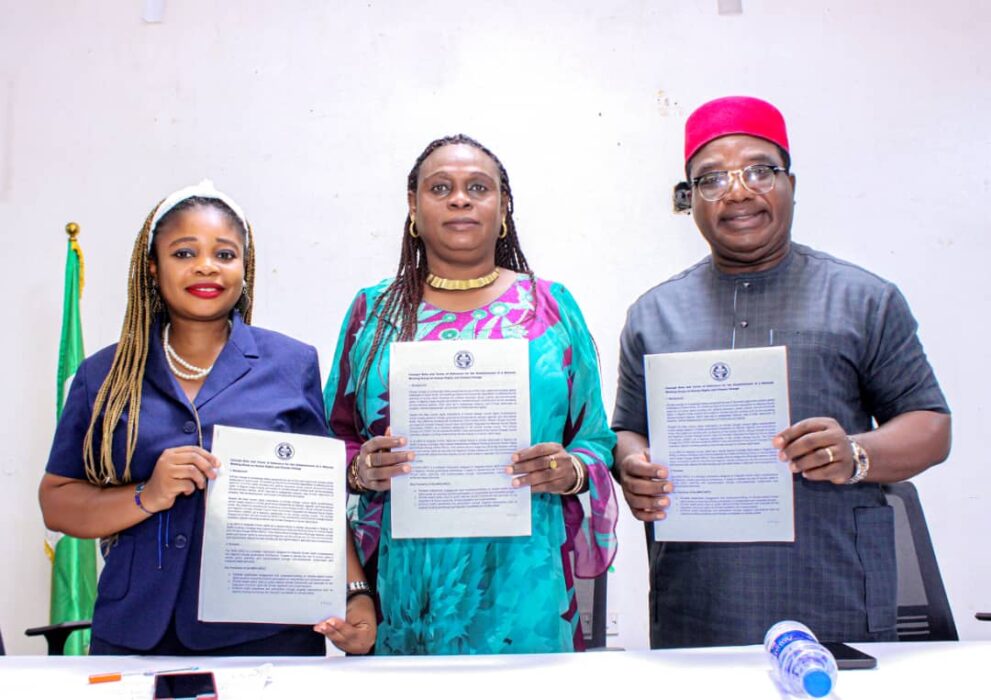
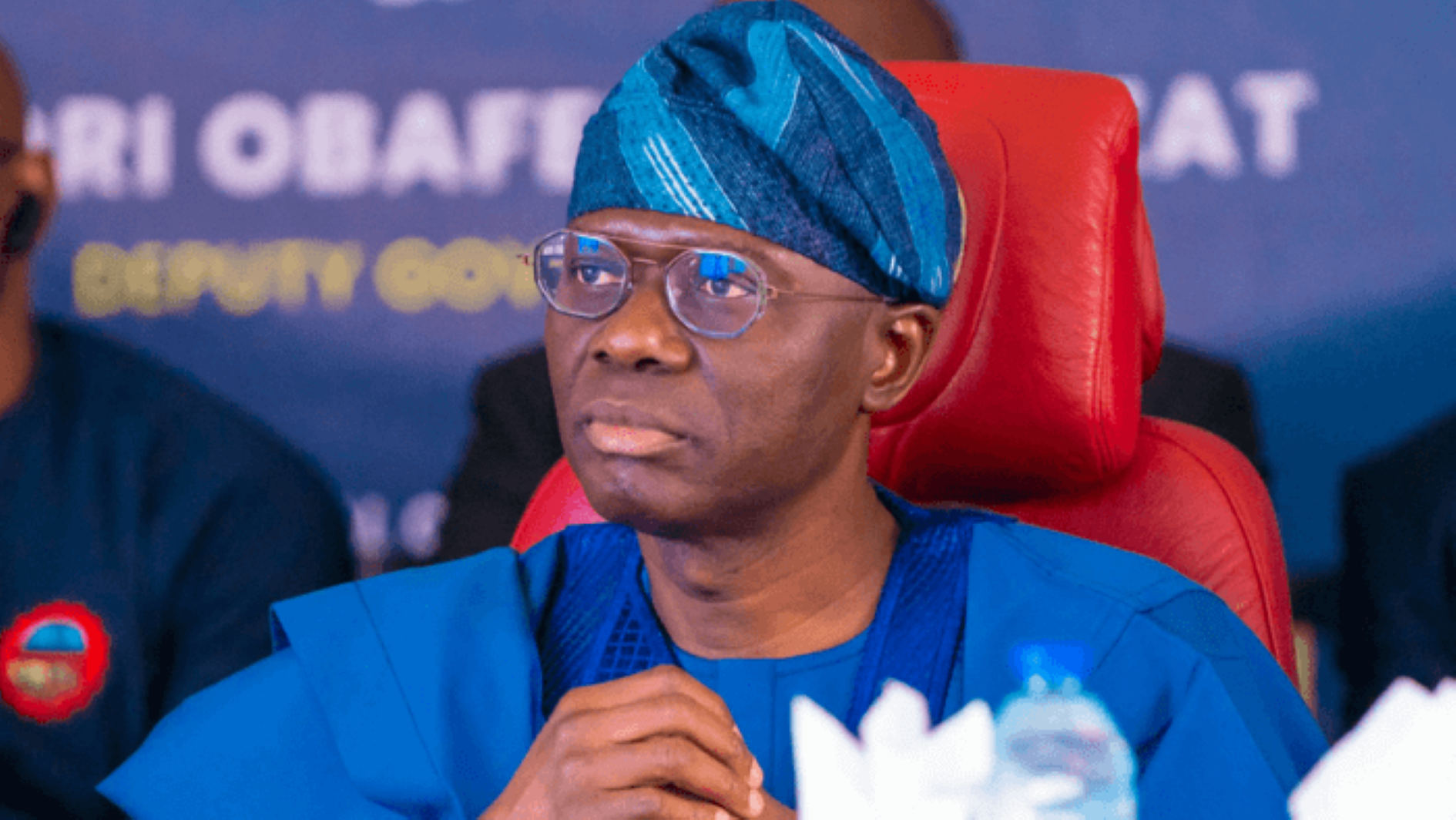
Former Chairman of House of Representatives Committee on Climate Change, Hon Sam Onuigbo, becomes first African president of GLOBE Legislators. Emameh Gabriel, in this piece, dissects his climate advocacy but warns of challenges bridging global commitments with Nigeria’s domestic action. On June 24, 2026, at the Parliament of the United Kingdom, Hon Sam Onuigbo was formally inducted as President of GLOBE Legislators, becoming the first African to lead that global parliamentary network in its 35-year history. The ceremony was hosted by former UK Minister for Climate Change and Net Zero. Also former President of GLOBE Legislators, Rt. Hon. Graham Stuart MP, formed part of the London Climate Action Week. For those who may not track these international organisations, GLOBE is not some obscure diplomatic club. It is the organisation founded in 1991 by the former United States Vice-President Al Gore, and John Kerry, alongside legislators from the European Parliament, Japanese Diet, and Russian Duma, with a singular vision: that international climate agreements mean nothing without legislative action. Today, it convenes parliamentary networks across the world, having hosted the first Parliamentary Pavilion at COP28 in Dubai, repeated it at COP29 in Baku, and is on course to do so again at COP31 in Antalya. It was a significant moment—not just for Onuigbo, not just for Nigeria, but for the entire African continent. And it raises a question that deserves careful consideration: what does this appointment mean for the global climate policy landscape, and is Onuigbo the right man to bridge the gap between international commitments and domestic legislative action? Making of a Climate Champion Perhaps the most instructive phase of Onuigbo’s professional life was his 18-year stint at the United States Embassy (now Consulate-General) in Lagos, where he rose to the position of Supervisory Fraud Prevention Specialist. During that period, he was elected twice as President of the Foreign Service National Advisory Committee. These were roles that demanded integrity, attention to detail, and a deep understanding of how systems work—qualities not always abundant in Nigerian public life. He served as Commissioner for Lands and Survey, and later Commissioner for Finance in Abia State before being elected to the House of Representatives in 2015, representing Ikwuano/Umuahia North and Umuahia South Federal Constituency. He was re-elected in 2019, becoming the first representative from that constituency to serve two terms. But it was his work as Chairman of the House Committee on Climate Change that would define his legislative legacy. In the 8th Assembly, he sponsored Nigeria’s Climate Change Bill. It was passed by both chambers but denied assent by late President Muhammadu Buhari. Many lawmakers would have given up. They would have accepted the setback, moved on to other matters, and waited for the next opportunity to make noise about something else. Onuigbo did not give up. He re-sponsored the bill in the 9th Assembly, addressing all the areas of conflict and expanding its scope. On November 17, 2021, late President Buhari signed the Climate Change Bill into law. It established Nigeria’s first comprehensive legal framework for climate governance, creating the National Council on Climate Change (NCCC) and institutional mechanisms for emissions reduction. Many of us have watched the National Assembly turn itself into a rubber stamp for executive whims, more interested in constituency projects than in the hard work of legislation. But the Climate Change Act is different. It placed Nigeria among nations with dedicated climate legislation, giving us a seat at a table where decisions affecting our future are being made. It was a landmark achievement, and it did not happen by accident. It happened because one legislator refused to take no for an answer. But Onuigbo’s commitment to service predates his political career. In 1998, he facilitated support for additional classroom blocks at his alma mater, Community Primary School, Obuohia Obi-Ibere. The project was commissioned on May 1, 2001, by former US Ambassador Howard Jeter alongside then Governor Orji Uzor Kalu. He also established Ambassador’s College in Obuohia-Ibere to save children from trekking long distances for secondary education. These were not photo-op initiatives. They were responses to real needs he witnessed firsthand. In 2016, he was elected as the Vice-President of GLOBE Nigeria. In 2019, he was elected as President of GLOBE Nigeria, and Vice-President Africa (GLOBE International), the first Nigerian to be so recognised. What Africa Stands to Gain This is where the story becomes truly significant for Nigeria and the continent. Africa faces a climate paradox. We have contributed the least to global emissions, yet we be
Don't miss out on breaking stories and in-depth articles.