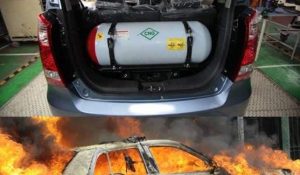
The Federal Government’s push to promote Compressed Natural Gas (CNG) as a cheaper alternative to petrol is winning the confidence of many motorists in the Federal Capital Territory (FCT). However, while many commercial drivers and private vehicle owners have embraced the cleaner and more affordable fuel, persistent shortages and inadequate refuelling infrastructure are threatening to undermine the initiative, Abuja Metro reports. A visit to major CNG stations across Abuja revealed long queues of vehicles stretching several kilometres, with many drivers spending between one and three days waiting to refill their tanks. The situation has left transport operators frustrated, as many said they are unable to work or earn a living while stranded in queues. The Federal Government introduced the Presidential Compressed Natural Gas Initiative (PCNGI) in 2023 following the removal of petrol subsidy. The programme was designed to cushion the impact of rising fuel prices by encouraging the conversion of petrol-powered vehicles to CNG, which is significantly cheaper and produces lower carbon emissions. Since then, thousands of Nigerians, particularly commercial drivers, have converted their vehicles to CNG in a bid to reduce operating costs. However, the availability of refuelling stations and steady gas supply has failed to keep pace with the growing demand, especially in Abuja. Speaking with Abuja Metro at one of the stations at Kubwa, a commercial driver, Samson Abdul, described CNG as a better alternative to petrol because of its affordability and longer mileage. “When I started using CNG, I discovered it lasts much longer than petrol. I would rather wait for CNG than buy petrol because the savings are significant,” he said. Abdul, however, said he had spent about 17 hours waiting to buy gas after arriving at the filling station around 5 a.m. the previous day. “We were told a supply truck was coming. When it finally arrived in the evening, they still didn’t sell to us. We were told they couldn’t start dispensing because of other operational issues. We slept here, and many people are still waiting. “The biggest problem is that Abuja does not have enough CNG stations. This is the nation’s capital. We should not be suffering like this,” he lamented. Another motorist who simply identified himself as Emmanuel, said although the financial benefits of CNG were undeniable, the scarcity had become unbearable. “With N5,000 worth of CNG, I can work almost the whole day. You can’t compare that with petrol. It has reduced my running costs significantly,” he said. He disclosed that he had remained in the queue for three days, adding that accessing the product had become more difficult than using it. “There are too few stations, and every station sells at different prices. Some sell at N380 per kilogramme, others at N400, while some charge as much as N550. There should be proper regulation because people can wake up tomorrow and increase the price again,” he said. He urged relevant government agencies to ensure regular maintenance of supply facilities to prevent prolonged disruptions. A commercial motorcyclist, Ogumorade Matseo, said the delays in accessing CNG were taking a toll on his family’s livelihood. “My family depends on what I earn daily. When I spend three days on a queue, there is no income. We suffer because I cannot work,” he said. According to him, although CNG has significantly reduced transportation costs, inadequate supply means drivers spend valuable working hours waiting instead of conveying passengers. “If every station has enough gas to sell, even without opening new stations, the queues will reduce. The stations are there, but they have nothing to dispense,” he added. Another commercial driver who gave his name as Shedrack, said the cost advantage of CNG remained unmatched. “Buying N5,000 worth of CNG is like buying about N25,000 worth of petrol in terms of mileage. The difference is like light and darkness,” he said. He blamed the long queues on the limited number of dispensing stations, inadequate dispensing pumps and poor queue management. “Some people bypass the queue through unofficial means while others who have waited for hours remain outside. The system needs transparency and more dispensing pumps,” he said. Another driver, John Emmanuel, said CNG had become the preferred alternative because of the continuous rise in petrol prices. The only challenge we have now is scarcity. Government should establish more stations to reduce waiting time,” he said. Taxi driver Moses Yoka warned that the current situation was discouraging many motorists from embracing the government’s CNG policy. “CNG helps us make more profit than petrol, but spending one, two or three days looking for gas defeats the purpose. If government makes CNG available the way petrol is available, many more people will convert,” he said. He also called for stricter security and better
Don't miss out on breaking stories and in-depth articles.