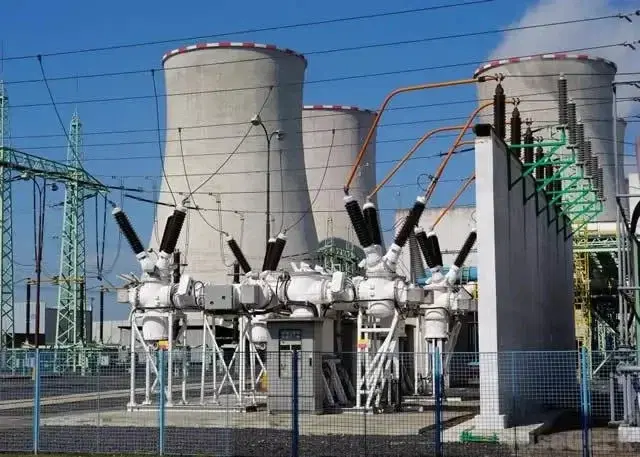
Dahiru Ali Nigeria’s electricity sector has long been caught in a cycle of ambitious reforms constrained by persistent financial fragility. Successive policy interventions have sought to expand generation, strengthen regulation and attract private investment, yet the market has continued to struggle under the weight of mounting payment obligations, chronic liquidity shortages and declining investor confidence. The result has been an electricity industry that holds enormous economic potential but has found it difficult to sustain commercial viability. Against that backdrop, the Federal Government’s proposed Series 2 Power Sector Bond, valued at approximately N729 billion, represents more than another financing initiative. It is part of a broader attempt to restore confidence in the financial architecture of Nigeria’s electricity market by addressing legacy obligations, improving liquidity and reinforcing commercial discipline across the value chain. Those objectives framed discussions at the Federal Government Investors’ Forum, last Tuesday in Abuja, where policymakers, market operators, investors and financial advisers gathered to examine the proposed bond and the wider reforms supporting it. The conversation extended well beyond debt refinancing. It centred on whether Nigeria’s electricity market can finally build the financial credibility required to unlock sustained private investment. The challenge confronting the sector is well known. While reforms have expanded private participation in generation and distribution, the financial relationships underpinning the market have remained under severe strain. Revenue shortfalls, tariff mismatches, subsidy obligations and payment defaults have combined to create a persistent liquidity crisis. As debts accumulated across the electricity value chain, the capacity of market participants to invest, maintain infrastructure and improve service delivery weakened. That reality has significant implications beyond the power sector itself. Manufacturers absorb higher operating costs through self-generation. Small and medium-sized enterprises face higher production expenses and reduced competitiveness. Investors price uncertainty into financing decisions, while households continue to bear the economic consequences of unreliable electricity supply. It is against this backdrop that the Federal Government is pursuing a more structured financial response. Speaking at the forum, Oyedele Taiwo, Minister of Finance and Coordinating Minister of the Economy, in a keynote address presented the proposed bond as part of a broader programme to stabilise the electricity market and reinforce ongoing economic reforms. Rather than treating the sector’s financial difficulties as isolated challenges, he situated them within the wider objective of strengthening macroeconomic stability, restoring investor confidence and creating conditions for sustainable economic growth. His presentation underscored the importance of resolving legacy financial obligations through transparent, market-based instruments capable of improving confidence among both domestic and international investors. That message resonated throughout the forum. Participants repeatedly returned to a central proposition: a commercially viable electricity market cannot emerge if financial obligations remain unresolved and confidence continues to erode. The proposed bond seeks to confront that challenge by refinancing legacy liabilities that have constrained the sector’s financial performance for years. By replacing accumulated obligations with a structured capital market instrument, government hopes to improve liquidity while providing greater certainty to market participants. Equally significant is what the initiative says about the direction of electricity reform. Rather than relying solely on periodic fiscal interventions, policymakers are increasingly turning to capital market solutions that encourage stronger financial discipline and clearer commercial relationships. The institutional dimension of that reform was highlighted by Johnson Akinnawo, of Nigerian Bulk Electricity Trading Plc (NBET). He explained that restoring liquidity is not simply about settling outstanding obligations; it is about rebuilding confidence in the market’s financial architecture so that contractual commitments can once again command credibility. According to him, the proposed financing programme forms part of broader efforts to reposition the sector and strengthen the commercial foundations of the electricity market. That distinction is important. Liquidity provides immediate relief, but institutional credibility determines whether the relief becomes sustainable. Investors ultimately assess not only the availability of financing but also the predictability of market rules, the integrity of contractual arrangements and the
Don't miss out on breaking stories and in-depth articles.