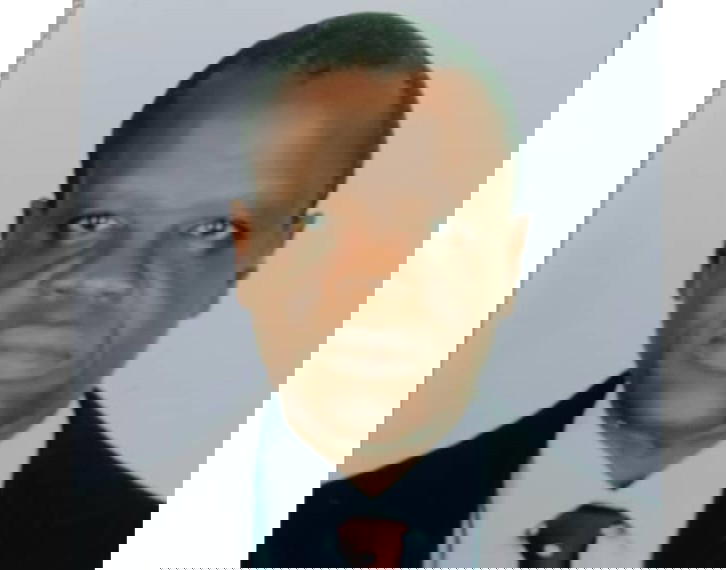
Nearly a month after 26-year-old health worker, Mary Habila, died at the Uburu residence of the Minister of Works, Senator David Umahi, conflicting accounts, an unresolved police investigation, questions over an autopsy, and a family still waiting to bury their daughter have deepened public scrutiny. Weekend Trust deconstructs the events and examines the questions that continue to fuel public interest. The death of Mary Habila was initially reported as another tragic loss of a young Nigerian professional. But as the days stretched into weeks, the circumstances surrounding her death transformed what might have been an isolated incident into a national conversation about accountability, transparency, and the search for truth. Nearly a month after the 26-year-old community health worker died inside the staff quarters at the country home of the Minister of Works, Senator David Umahi, fundamental questions remain unanswered. Investigators are yet to establish the cause of her death publicly. Her body has not been released for burial. The proposed autopsy has become the subject of disagreement. Even details as basic as her employment status have generated conflicting accounts. At the heart of the controversy is not merely how Mary died, but why the circumstances surrounding her death continue to raise questions despite assurances from authorities that investigations are ongoing. 2027: INEC records over 6m new voters Last moments of brothers swept away by flood A journey that ended in tragedy Available accounts indicate that Mary travelled from Abuja to Ebonyi State on June 26, as part of the entourage attached to the Minister of Works ahead of official and community engagements in his hometown of Uburu, Ohaozara Local Government Area. According to colleagues and residents familiar with her work, it was a routine trip. Those who interacted with her that day told Weekend Trust she appeared cheerful, healthy and busy preparing for activities lined up for the minister’s visit. Nothing, they recalled, suggested that within 24 hours she would be dead. One staff member who met her shortly after arriving in Uburu recalled exchanging pleasantries with her on June 26. “It appeared they were preparing for an event or meeting because Mary was busy arranging things with other domestic staff of the minister. I was shocked to hear the unfortunate news the following day,” the source said. A close friend and colleague, Anita Baaki, had earlier given a similar account of Mary’s final hours. She said Mary stopped by her room to show off her new hairstyle before they chatted briefly. “Mary told me she was tired and wanted to take a shower before going to bed. That was the last time I saw her alive,” she recalled. The accounts of colleagues who said Mary showed no sign of illness, however, appear at variance with the account later given by the Minister of Works during a press conference in Abuja on July 16. Addressing journalists, Senator Umahi said Mary had complained of a nosebleed during a telephone conversation with her boyfriend shortly before she was found dead. Narrating what he described as her final moments, the minister said Mary initially told her boyfriend she had developed a nosebleed but later informed him that the bleeding had stopped. According to him, the boyfriend advised her to seek medical attention before ending the call. “Three minutes later, the boyfriend called back, but she was no longer responding,” Umahi said, adding that she had earlier told him (boyfriend) she intended to take a bath. Police later confirmed that Mary died on June 27 after she was taken to the David Umahi Federal Teaching Hospital, Uburu, where she was certified dead on arrival. The Ebonyi State Police Command subsequently transferred the matter to the State Criminal Investigation Department for further investigation. But beyond that official timeline, questions began to arise. Perhaps the first was why news of the incident did not enter the public domain until July 11, almost two weeks after her death, when Sahara Reporters first reported the story, triggering widespread public attention and scrutiny. Who was Mary Habila? Those who knew Mary describe a young woman whose professional life had become closely associated with the office of the minister of works. According to sources within the David Umahi Federal University of Health Sciences, Uburu, she was among the institution’s pioneer employees, having joined shortly after the university was commissioned in 2022. She was said to have been seconded, alongside another staff member, Anita Baaki, to work with the Federal Ministry of Works, where both served as physiotherapists/nurses attached to the minister for about three years. Her responsibilities, according to staff members and community leaders, went beyond personal clinical duties to the minister. Whenever the minister hosted empowerment programmes or community gatherings
Don't miss out on breaking stories and in-depth articles.