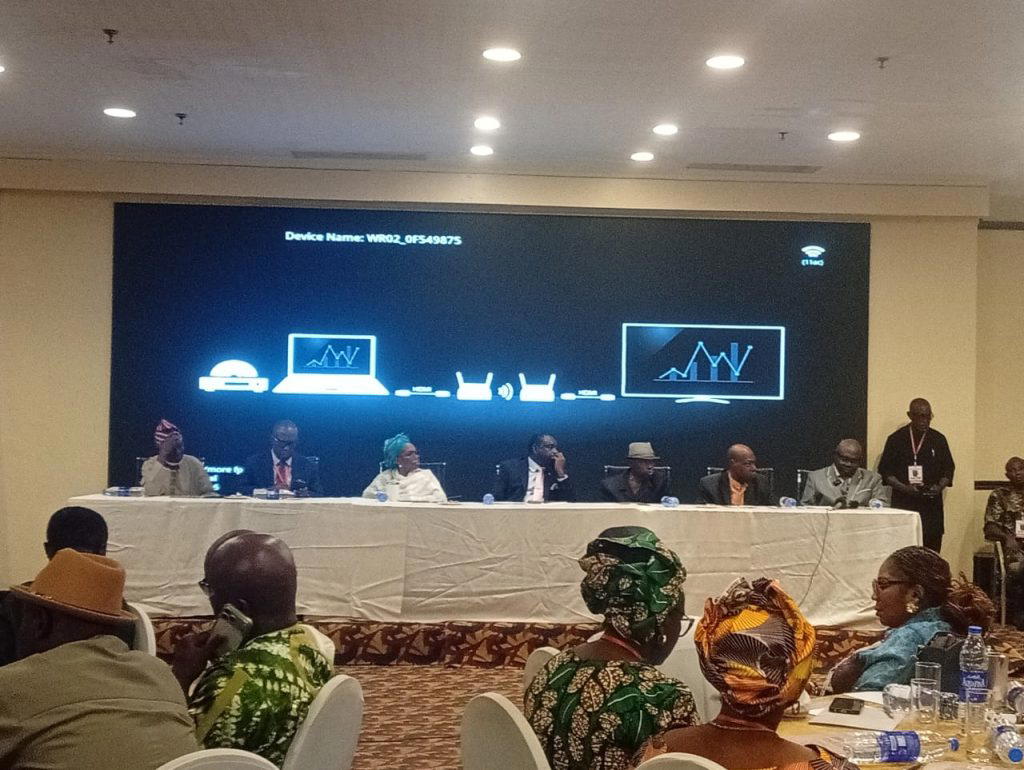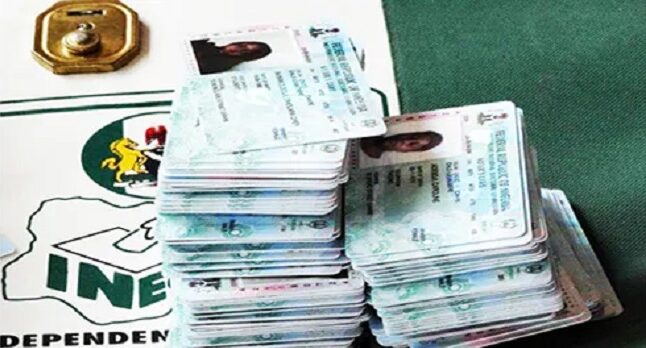
In the buildup to the 2027 general elections, the Independent National Electoral Commission (INEC) has registered a total of 6,885,330 new prospective voters across the three phases of the Continuous Voter Registration (CVR) exercise, which ends on Sunday, July 26, 2026. This is after the exercise was extended by two weeks from the initial closing day of July 10. According to INEC in a statement by its chairman, Information and Voter Education Committee, Mohammed Kudu Haruna, the third phase is supposed to be the final part of the exercise. The second phase was suspended on April 17, 2026 to allow the commission clean up its register after publication for claims and objections by registrants. Barring any alteration, the commission will in August display the register of voters for claims and objections. However, with the conclusion of the third phase, there is an indication that the exercise fell short of capturing the anticipated number. In Niger, bandits give farmers condition Mary Habila: What went wrong? An official of the Independent National Electoral Commission who spoke on condition of anonymity said the commission had projected that the exercise could add 10 million new voters to the national register. This would have brought the total number of registered voters in Nigeria to 103 million as INEC records shows a total of 84,004,084 registered voters ahead of the 2019 general elections, with the figure rising to 93,469,008 for the 2023 polls, representing an increase of 9,464,924 voters. The INEC official who spoke with our correspondent said the commission would not announce the final number of newly registered voters until after the registration portal closes and all verification processes are completed. He explained that although reports indicate that more than six million new voters may have registered so far, the figure remains provisional because INEC still has to conduct biometric de-duplication and publish the register for claims and objections. “We anticipated this from the beginning of the exercise. Our projection was that we could have another 10 million new voters. Whether we eventually meet that projection or not, we cannot say anything definite until the registration closes and all the back-end processes are concluded,” the official said. He added that the commission would clean up the register by removing multiple registrations through biometric verification before displaying the provisional register to allow Nigerians correct errors or object to ineligible entries, including deceased persons. According to him, only after completing the verification and claims process will INEC release the official figure of newly registered voters and update the national voters’ register. Weekend Trust recalls that the Continuous Voters Registration has not been without controversies since it started. Apart from suspension in some states due to off-cycle elections, there have been cases where the commission had to extend the deadline due to hitches in the process. The most controversial has been the plan by INEC to embark on what it called Voters’ revalidation exercise across Nigeria The plan was greeted by an avalanche of backlash that the commission had to instruct its resident electoral commissioners (RECs) to halt all publicity and logistics arrangements for the planned nationwide exercise. INEC had explained that revalidating the voter register was aimed at removing the names of those who had passed away, ensuring that the register is more accurate and manageable rather than being filled with outdated entries. The commission also explained that the exercise was for cleaning up and updating the voter register by allowing eligible Nigerians to confirm or update their details, while addressing issues such as duplicate registrations and outdated voter information Despite the suspension of physical activities, INEC clarified that preparatory work behind the scenes on the revalidation of voters would continue. With that, resident electoral commissioners were instructed to organise internal preparations, which included hiring and assigning staff and ensuring that the commission’s technology like INEC Voter Enrolment Devices was fully operational. Speaking with our correspondent, the chairman, Information and Voter Education Committee confirmed that INEC extended the exercise by two weeks. He, however, declined further comment on the matter. How people complied with the current exercise An analysis of the commission’s data by Weekend Trust shows that 3,631,488 prospective voters completed online pre-registration while 3,253,842 were physically captured during the three phases of the exercise. The figures showed that phase I of the exercise, conducted between August and December 2025, recorded 2,685,725 registrations, comprising 1,576,137 online pre-registrations and 1,109,588 physical registrations. Phase II, week six, released on Febr
Don't miss out on breaking stories and in-depth articles.