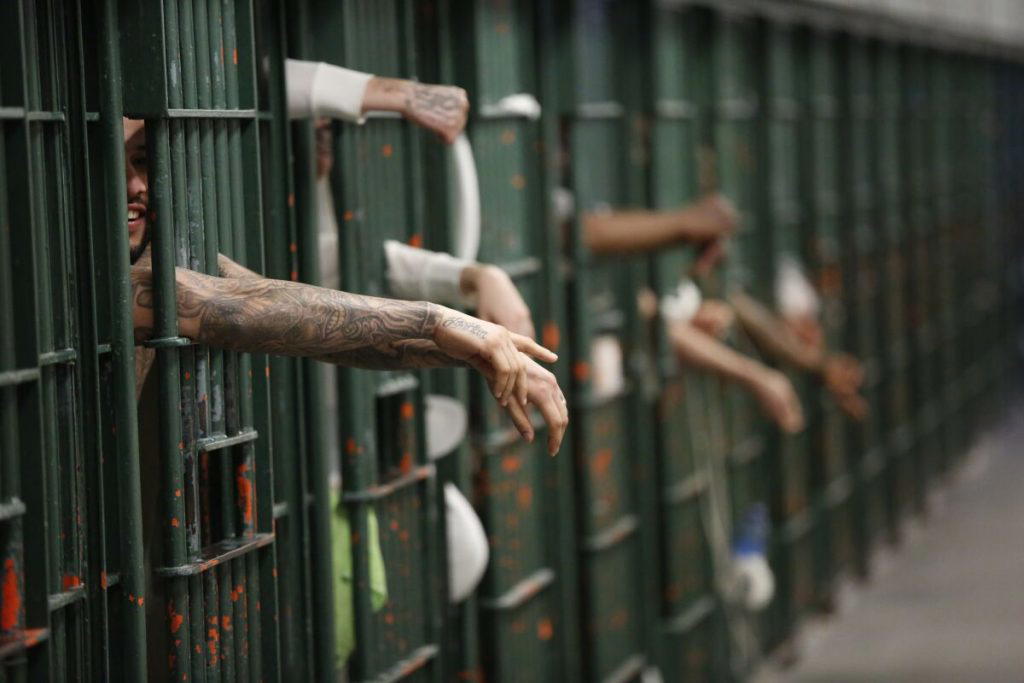
*Severe sanctions await correctional officers aiding criminal activities – Minister *Experts proffer soutions From death threats sent from prison cells to multimillion-dollar scams coordinated behind high walls, a disturbing underworld is thriving inside Nigeria’s custodial centres. Vanguard investigation reveals how some inmates turn prisons into command centres for kidnapping, fraud and extortion operations. By Henry Ojelu Last month, a text message landed on Odion Akagbosu’s phone late at night. It was short, cold and terrifying. “Someone wants you dead. He sent us to kill you, but I don’t want to kill an innocent soul. Comply with me or I will not show mercy.” For days, the Benin City resident barely slept. Every knock on his gate startled him. Every unfamiliar motorcycle passing his street sent fear racing through his mind. He began avoiding late-night movements, constantly looking over his shoulder. Then came the twist that stunned Police investigators. The threatening number was traced not to a criminal hideout or kidnappers’ camp in the forest, but to an inmate inside Oko Correctional Centre. That discovery has now opened a disturbing window into a growing reality security agencies are struggling to contain: The rise of prison-based crime syndicates operating from inside Nigeria’s custodial centres. From Kirikiri Prison in Lagos, to Kuje Prison in Abuja, and Warri Custodial Centre in Delta State, Vanguard findings reveal a troubling pattern where inmates are allegedly coordinating internet fraud, extortion, fake bank alert scams, robbery and even kidnapping operations while still officially in custody. The scale of the crisis became clearer on May 4, 2026, when the Federal Government announced sanctions against 147 officers of the Nigerian Correctional Service, NCoS, over contraband-related offences. Prison authorities also ordered the destruction of 1,167 confiscated mobile phones recovered from prisons nationwide. The recovered items included smartphones, SIM cards, chargers and cash — tools investigators say inmates use to sustain criminal enterprises from behind bars. Controller-General of Corrections, Sylvester Nwakuche, admitted the contraband had become channels for organised crime within correctional facilities. For some Nigerians, the disclosure merely confirmed what several scandals over the years had already exposed: Some prisons are no longer just detention facilities; they are evolving into operational bases for sophisticated criminal networks. The death threat from prison Akagbosu’s case was not isolated. According to police sources, similar threatening messages have surfaced repeatedly in recent months, with many eventually traced to inmates operating from correctional facilities. A police source disclosed to Vanguard that the scheme is often carefully choreographed. The inmate obtains phone numbers through criminal contacts outside prison, then sends frightening messages designed to psychologically destabilise victims. Once panic sets in, a second message usually follows demanding money in exchange for safety. Many victims, terrified by the threats, quietly pay without reporting to the authorities. In Akagbosu’s case, police detectives moved swiftly after he lodged a complaint. Digital tracking eventually led investigators to Oko prison, forcing security agencies to alert prison authorities. For weeks before the discovery, the victim had lived under the terrifying belief that armed killers were monitoring his movements outside. Instead, the alleged mastermind was operating from inside a prison cell. The Warri prison controversy Few prison scandals triggered as much outrage as the allegations surrounding Warri Medium Security Custodial Centre last year. The claims sounded unbelievable at first. According to reports, four inmates allegedly left the custodial facility temporarily, travelled to Benin City where they reportedly participated in robbery and kidnapping operations, and later returned to prison unnoticed. The scandal reportedly began after victims of a robbery attack traced about N4 million transferred during the operation to suspects linked to the Udu area of Delta State. As investigators followed the money trail, attention allegedly shifted toward individuals connected to the Warri custodial centre. What shocked many were not merely the robbery allegations but claims that the suspects were not escapees. They were allegedly still officially serving prison terms while carrying out operations outside custody. The controversy created tension between police operatives attached to Ekpan Division and officials of the Nigerian Correctional Service. Although the Delta State Command of the NCoS denied the allegations and dismissed them as fabricated, public outrage intensified because the claims appeared to confirm long-standing suspi
Don't miss out on breaking stories and in-depth articles.