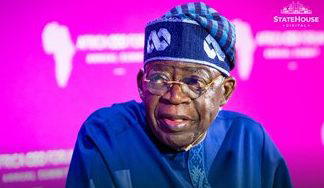
•Says nation’s entry to shape discourse on energy security Deji Elumoye and Emmanuel Addeh in Abuja President Bola Tinubu yesterday welcomed Nigeria’s formal admission as the newest National Member Committee of the World Energy Council (WEC), describing the development as a vote of confidence in the country’s energy reforms and its leadership role in Africa. The president, in a statement issued yesterday by his Special Adviser on Information and Strategy, Bayo Onanuga, said Nigeria’s return to the over a century-old global energy network would provide the country with a stronger platform to influence international discussions on energy security, equity and sustainability. Nigeria’s admission places it within the WEC network of more than 100 countries, with the federal government expected to leverage the platform to deepen policy dialogue, investment mobilisation and innovation across the energy sector. Tinubu also congratulated the inaugural leadership of WEC Nigeria, particularly the Chairman, Mr. Abdulrazaq Isa, and the Chief Executive Officer, Mr Bala Wunti, as well as other members of the inaugural board drawn from different segments of the energy industry. The board comprises representatives from across the energy value chain, regulatory institutions, industry associations, finance, academia and the Future Energy Leaders community. Tinubu described Isa as a distinguished patriot and industrialist whose investments in indigenous refining and industrial energy had opened new opportunities for Nigerian enterprise. He similarly described Wunti as one of the country’s leading energy strategists and reform champions, noting that his more than three decades of service had been characterised by integrity, strategic vision and reforms that contributed to strengthening national revenues and restoring investor confidence in the energy sector. Tinubu said the combination of experienced industry leaders, regulators, financial experts and young professionals on the WEC Nigeria board would provide the balance and credibility required for the organisation to operate as an effective platform for national energy dialogue. According to him, Nigeria’s participation in the WEC would go beyond membership, with the country expected to use the platform to ensure that the priorities and perspectives of Africa are reflected in global energy policy decisions. “Nigeria has joined the World Energy Council to lead, not just participate, to ensure Africa’s voice shapes global energy decisions,” the president said. The President also affirmed the federal government’s support for WEC Nigeria as a neutral and technology-agnostic platform for policy dialogue, investment mobilisation and innovation. He said Nigeria remained committed to working with WEC London and its global community to advance the goal of delivering secure, affordable and sustainable energy. The development comes as Nigeria continues to seek greater investment and international cooperation to address its energy challenges, expand domestic production and strengthen the infrastructure required to support economic growth. The president wished Isa, Wunti and the inaugural board members success in their new roles, describing the assignment as a historic national responsibility. WEC is a global energy organisation that brings together stakeholders across governments, industry and other sectors to promote dialogue and cooperation on energy issues. Nigeria’s return to the council therefore gives the country an additional platform to engage in international conversations on the future of energy. The appointment of Wunti as the inaugural Chief Executive Officer of the WEC was described as a clear signal that the nation was prioritising security and operational stability in its energy sector. Wunti, a veteran executive with a robust history of tackling some of the industry’s most intractable problems—from crude oil theft to pipeline vandalism and fiscal uncertainty—is tasked with leading the national conversation on securing Nigeria’s energy infrastructure. For Wunti, security is not a separate category from economics; it is a prerequisite. During his tenure at the Nigerian National Petroleum Company (NNPC) Limited, he was instrumental in establishing a modern Command and Control Centre designed specifically to combat crude oil theft and pipeline vandalism. These two scourges have historically bled the Nigerian economy dry, reducing production capacity and deterring investment. By institutionalizing a technology-driven approach to security, Wunti demonstrated that he understands the battlefield extends beyond the boardroom to the creeks, pipelines, and transport routes of the Niger Delta. His operational focus on security was also evident in his work at the Petrol
Don't miss out on breaking stories and in-depth articles.