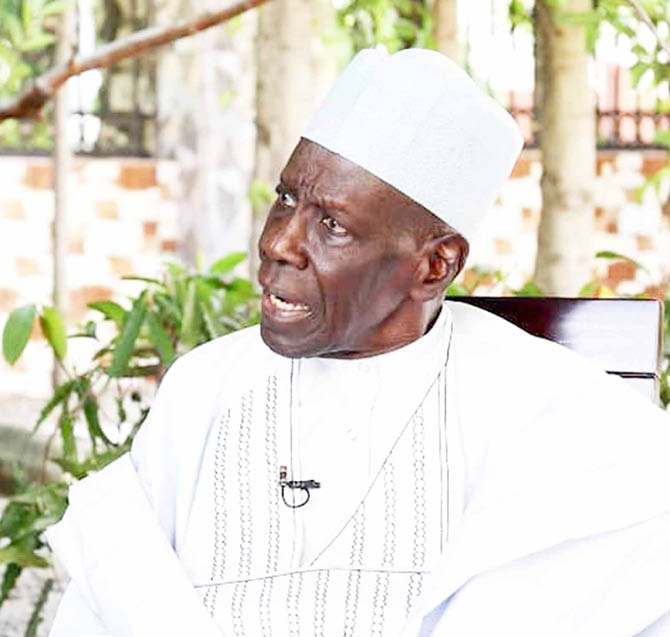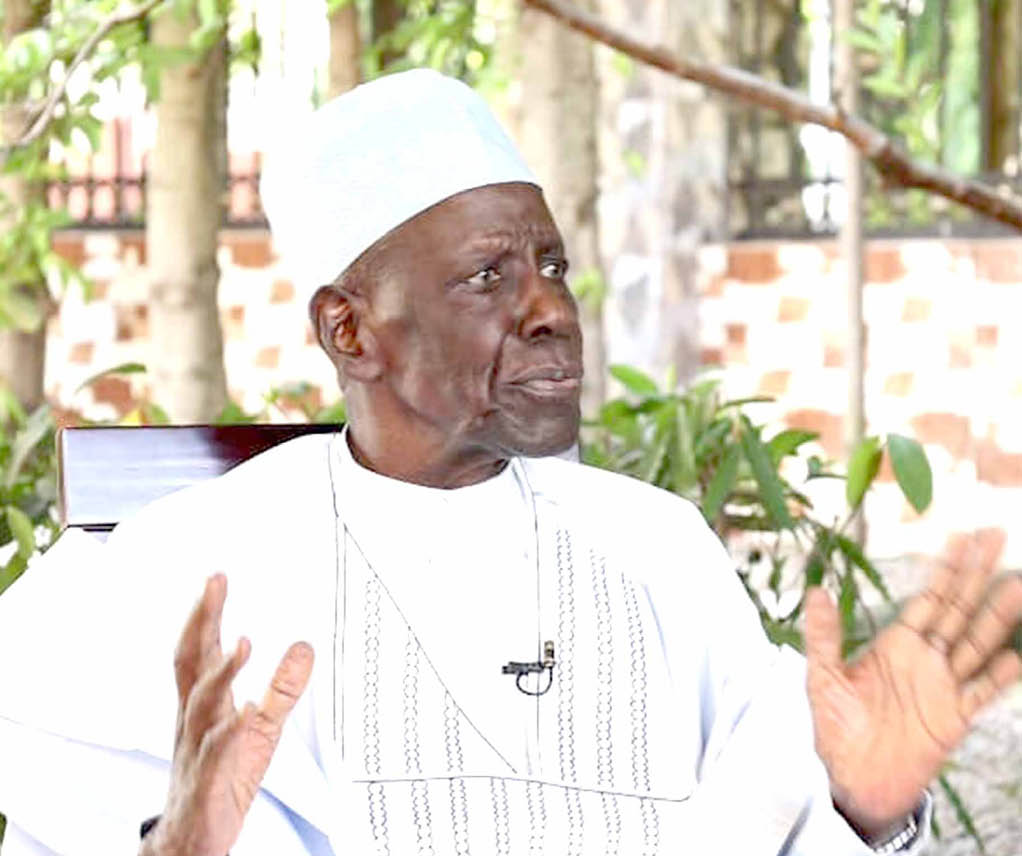
Dr Adamu Mohammed Fika worked for many years in Maiduguri, Borno State capital, as permanent secretary before he moved to the federal civil service where he also served in that capacity in many ministries. He became the clerk of the National Assembly when the transition to civil rule started. He later became the executive chairman of the National Assembly Service Commission. Fika, who died on Thursday, August 7, 2026, granted this interview in July, 2023. Weekend Trust republishes it in his honour. How would you describe your early years? I was born in 1942 at Fika in Fika Local Government Area of the present day Yobe State. However, when I was born, we were still in Borno Province, the present day Borno State. We were part of the northeastern states. I had my primary education at Fika from 1948 to 1952. I moved from there to Provincial Senior Primary School from 1953 to 1955 and was thereafter admitted into Barewa College. How did you earn admission into Barewa, which was the premier college in northern Nigeria? It was a very competitive process. There was actually an interview for selection. A senior education officer, an expatriate, interviewed us. In the end, five of us were selected from Borno Province. How northern youths abandoned Okada riding for farming in Ogun Why we should not celebrate the ranking yet – Professor Aliyu Barau Can you remember some of the five? I can remember all of them – Ali Madaki, Ibrahim Alkali, myself, Alhaji Umaru and Ambassador Mahmud Ahmed, who is still alive. Barewa was in Zaria, which is far from Borno; how was the experience, especially travelling to Barewa in those days? Most of the time we travelled by lorry. And it was very adventurous, especially in the rainy season. It took about 10 days from Potiskum to reach Zaria because whenever it rained, the trunk road was closed for 24 hours. And if you were not lucky, before 24 hours, another rain would fall and the road would be closed for another 24 hours. So there was no specific time for arrival, but usually, during the rainy season, it took a minimum of 10 days to reach Zaria. As young boys, where were you eating and sleeping during such number of days on the road? The lorry would usually stop in a village. And we had mats, which we would spread under the lorry and use our wooden boxes as pillows while sleeping. Sometimes we would sleep in the lorry when it was raining. But as young men, it was a real adventure for those five years. We used to come back home by train, often from Zaria via Kafachan to Jos, or from Zaria to Kano, then complete the journey by road. We really enjoyed it. How long would it take on train? The train service from Zaria to Jos took overnight. We would set off from Zaria around 5pm or 6pm and arrive in Jos around 5am the following day. It took some hours only to Kano, but we enjoyed it, whichever way. Barewa was a very elitist school, where some intellectually gifted young northern boys were put together. This was a very sharp contrast to your lifestyle in Potiskum; what was your experience there? We had six houses in the college. It was in those houses that you would meet your classmates for the first time, as well as your seniors with a year or two. We were about five students in a room. Normally, we would assemble from 7am and there would be a parade, after that we would go to classes and take breakfast at 9am. Thereafter, we would go to school and continue with academic activities till 1:30pm, then go to pray. We would have lunch and afternoon rest; then games in the evening. Were you eating good food? The food was excellent, better than what we enjoyed in our respective homes. And we had three square meals every day. It was a pleasure to be in the college. After Barewa, you went to Keffi for a higher school certificate, another long way from Borno, can you also share your experience? Yes, I went for a Higher School Certificate (HSC) in Keffi because it was the policy of the northern government then to reshuffle students. Although HSC started in Barewa before I finished Form 5, the government decided that I should go to Keffi to do it, while some students from that place, Ilorin, Sokoto etc would do theirs at Barewa. That was one way of expanding the experience of the younger elites as they grew up. In Keffi, we also met a new fresh set of people. In the art class we were only 11 while the science class was bigger; they were up more than 20. We did two years and stayed for the final exams. Luckily, I passed all my papers in flying colours. How come you went to Makerere University, Uganda, for your degree? It will say it was just luck because when I finished at Keffi in December 1962, I went straight to Kaduna, where I met Alhaji Adamu Fika, who later became head of service. At that time, he was the principal of the Federal Training Centre, Kaduna, so he gave me a job as an assistant instructo
Don't miss out on breaking stories and in-depth articles.