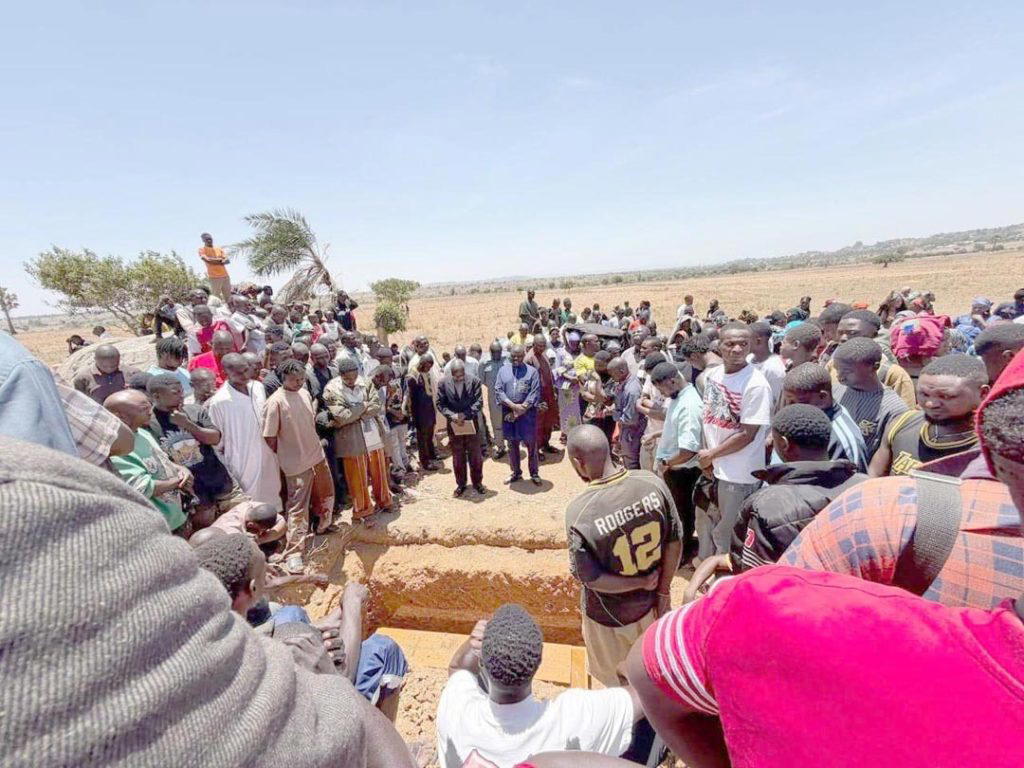
By Golok Nanmwa For decades, Plateau State was celebrated as Nigeria’s “Home of Peace and Tourism,” renowned for its breathtaking hills, fertile farmlands and rich cultural diversity. Communities across the state thrived on agriculture, commerce and peaceful coexistence. Read Also: 25 children from Kebbi, Kwara, Niger died in terrorists’ captivity — Lawmaker Today, that identity has been overshadowed by years of recurring violence that have left many rural communities deserted, thousands of residents displaced and vast stretches of farmland abandoned. Across Bokkos, Barkin Ladi, Riyom, Bassa, Mangu, Jos South, Kanam and Qua’an Pan Local Government Areas, villages that once echoed with children’s laughter, farming activities and bustling markets now bear the scars of repeated attacks. Homes have been razed, churches and schools destroyed, traditional institutions weakened and thousands of families forced into Internally Displaced Persons (IDP) camps or neighbouring communities. Governor Caleb Mutfwang recently acknowledged the magnitude of the crisis, disclosing during a television interview that several Plateau communities had been sacked by armed attackers. According to him, the objective of his administration is not merely to provide temporary humanitarian assistance but to ensure the safe, voluntary and dignified return of displaced persons to their ancestral homes. That commitment reflects one of the most pressing humanitarian and security challenges confronting Plateau State today. Communities emptied by violence Although Plateau has experienced cycles of violence over the years, the attacks recorded in recent times have deepened the humanitarian crisis. Among the worst-hit local government areas are Bokkos, Barkin Ladi, Riyom, Bassa, Mangu, Jos South, Kanam and Qua’an Pan, where dozens of communities have suffered repeated attacks. Many displaced residents told Vanguard they have remained away from home for months because they fear fresh attacks and allege that some farmlands and surrounding areas remain occupied by armed groups. For farming families whose livelihoods depended entirely on agriculture, displacement has meant more than losing their homes. It has also meant losing their only source of income. Mary Pius, a displaced farmer now living in Heipang, Barkin Ladi Local Government Area, said life has become extremely difficult since she fled her community. “We have lost everything. Our farms are there, but we cannot go back because of fear. We only want peace so we can return home and begin farming again,” she said. Barkin Ladi: Communities living in fear Barkin Ladi remains one of Plateau’s major flashpoints. Communities around Ropp, Gashish, Fan, Heipang, Kakuruk, Mazat, Gwol, Fass, Jol, Sabon Layi and surrounding settlements have witnessed repeated attacks over the years. The July attack on Sabon Layi, where vigilante operatives were reportedly killed, heightened concerns over insecurity despite the deployment of security personnel. It could be recalled that a then serving Senator Gyang Dantong alongside a then member representing Barkin Ladi constituency Hon Gyang Fulani died after attending a mass burial in the local government in July 2012 .Indigenous youth organisations recently commended the Department of State Services (DSS) for establishing an operational base in the area, saying intelligence-driven operations had reduced attacks before fresh violence resurfaced. The groups alleged that criminal elements had adopted new tactics aimed at frustrating ongoing security operations. Riyom: “We only want to go home” Several communities have suffered attacks in Riyom local government. Communities including Kum, Wereng, Rim, Jol, Dyan, Bachi, Nding, Rakok and neighbouring villages have witnessed repeated attacks resulting in deaths, destruction of homes and fresh displacement. Some communities have also been taken over by these bandits. One of the latest attacks reportedly claimed the lives of a three-month-old baby alongside several other residents. Earlier attacks also claimed the lives of women, children and farmers returning from their farms. Barnabas Mathew, a youth leader in Riyom, said residents remain determined to return to their ancestral communities but insisted that security must first be guaranteed. “We have been sacked from our ancestral communities, but we still want to return home. Government must ensure adequate security. Our appeal is for security operatives to go after those occupying our communities so our people can safely return,” he said. He commended Governor Caleb Mutfwang for initiating plans to resettle displaced persons, saying the effort had restored hope to many victims. “We appreciate Governor Mutfwang’s commitment to returning displaced people to their ancestral homes. It is encouraging, but lasting peace will only com
Don't miss out on breaking stories and in-depth articles.