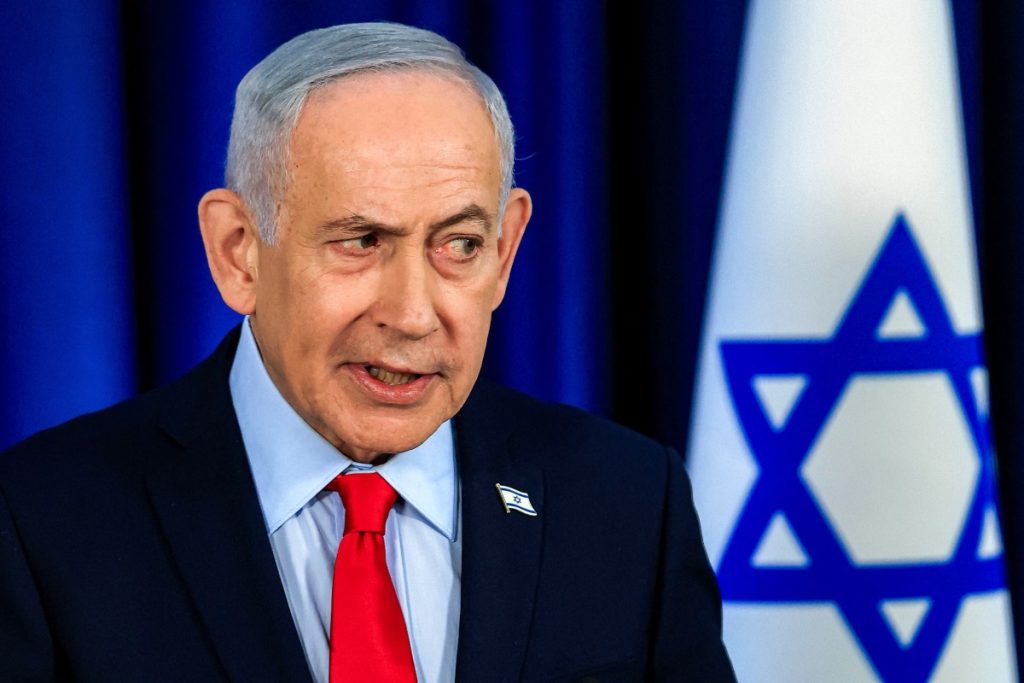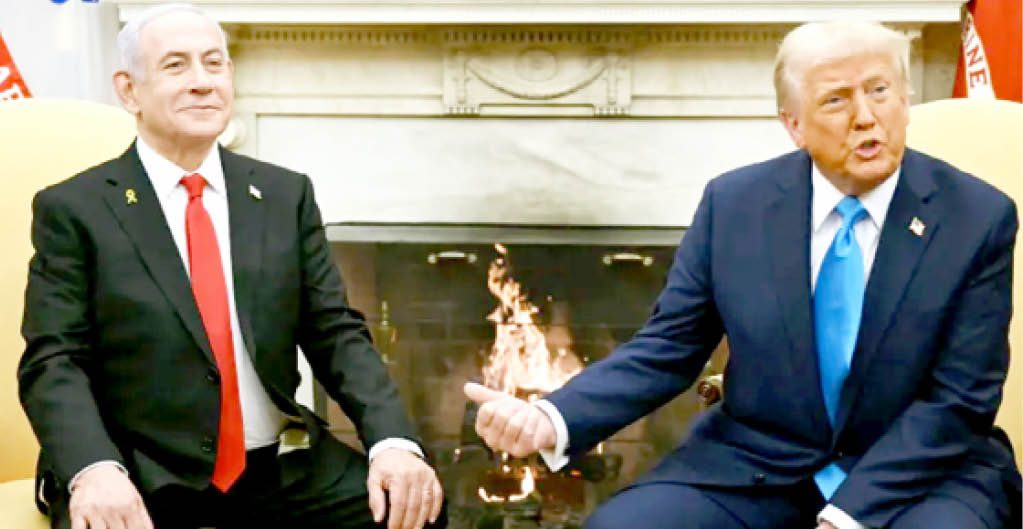
Israeli Prime Minister Benjamin Netanyahu on Sunday rejected a US-led Gaza plan endorsed by Hamas, putting distance between himself and President Donald Trump as he tries to shore up his base ahead of close elections. After more than a week of gradually escalating criticism of the plan, and despite receiving assurances that Israel would not need to start withdrawing in Gaza immediately, Netanyahu explicitly opposed the deal following pushback from his right-wing allies. “Israel rejects the 15-point document,” Netanyahu said, referring to the plan Hamas agreed to in late July. The Israeli military “will not carry out any withdrawal until Hamas is genuinely disarmed, and will continue to thwart threats against our forces and our citizens”, he told a cabinet meeting. Netanyahu described Trump, who had hailed the Gaza deal as a milestone for peace, as “our greatest friend in the White House” – but quickly made clear he was willing to challenge him, saying Israel was raising its objections with the United States. “They have ideas; some of them are acceptable to us, and some are not, and we know how to stand our ground on these matters,” he said. Netanyahu, Israel’s longest-serving leader, is running even or trailing in some polls ahead of the October 27 elections, the country’s first since the devastating October 7, 2023 attack by Hamas that sparked the Gaza war. Polls show that the Gaza plan is unpopular with Netanyahu’s right-wing base, and far-right members of his cabinet have urged him to kill it. The head of Trump’s body implementing the plan, dubbed the Board of Peace, defended the plan as a way to prevent a repeat of October 7. “The option we are offering today is the only way forward that ensures this tragedy does not happen again,” Nickolay Mladenov, the board’s high representative for Gaza, told Israel’s Channel 12 television. He said he hoped for a “positive outcome” from follow-up discussions with Israel, and characterised the latest stage of the deal as a commitment involving the United States, Hamas and the Board of Peace – notably leaving out Israel. Hamas, which publicly backed the plan days after selecting a new leader, Khalil al-Hayya, called on Washington to push Netanyahu. “We expect the mediators and the American guarantor to pressure Netanyahu and his government to adhere to the roadmap, and not obstruct the process for internal political and electoral reasons,” Bassem Naim, a member of Hamas’s political bureau, told AFP.
Don't miss out on breaking stories and in-depth articles.