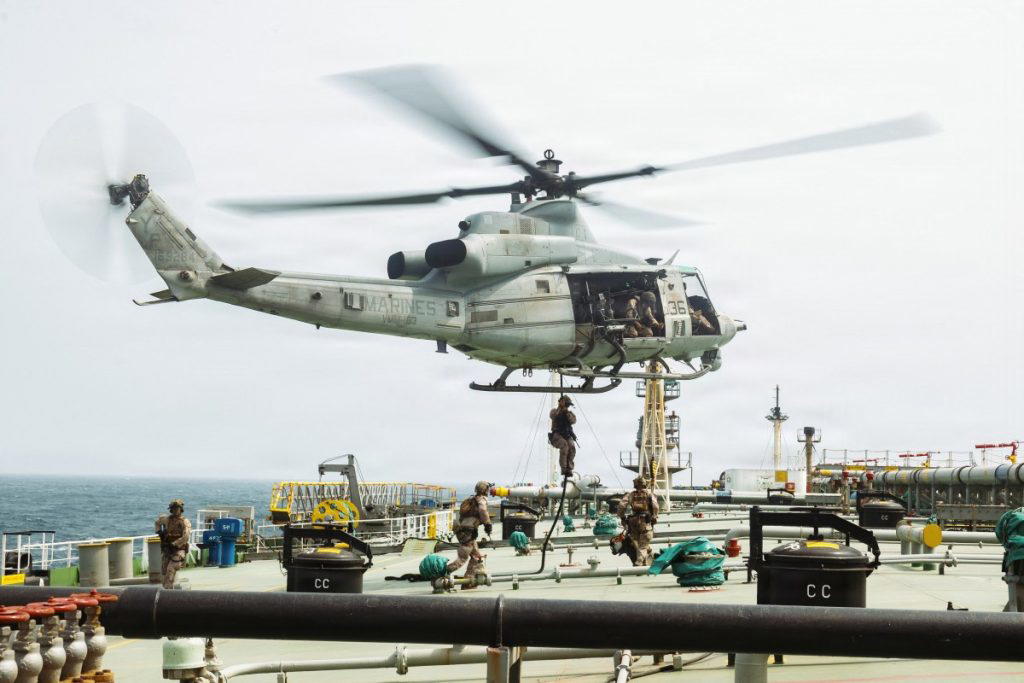
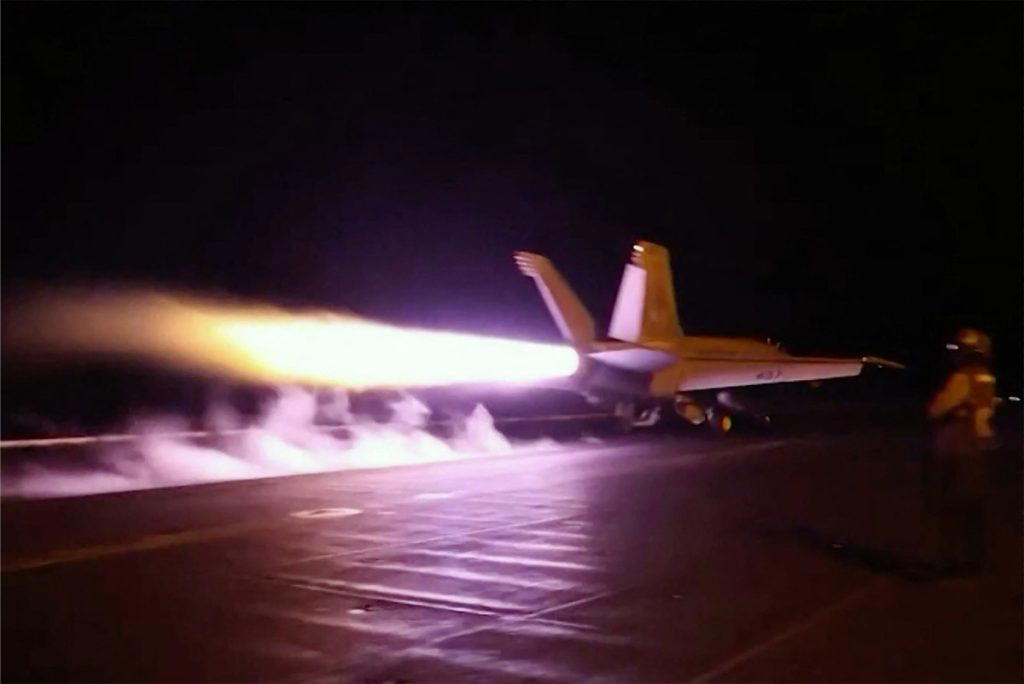
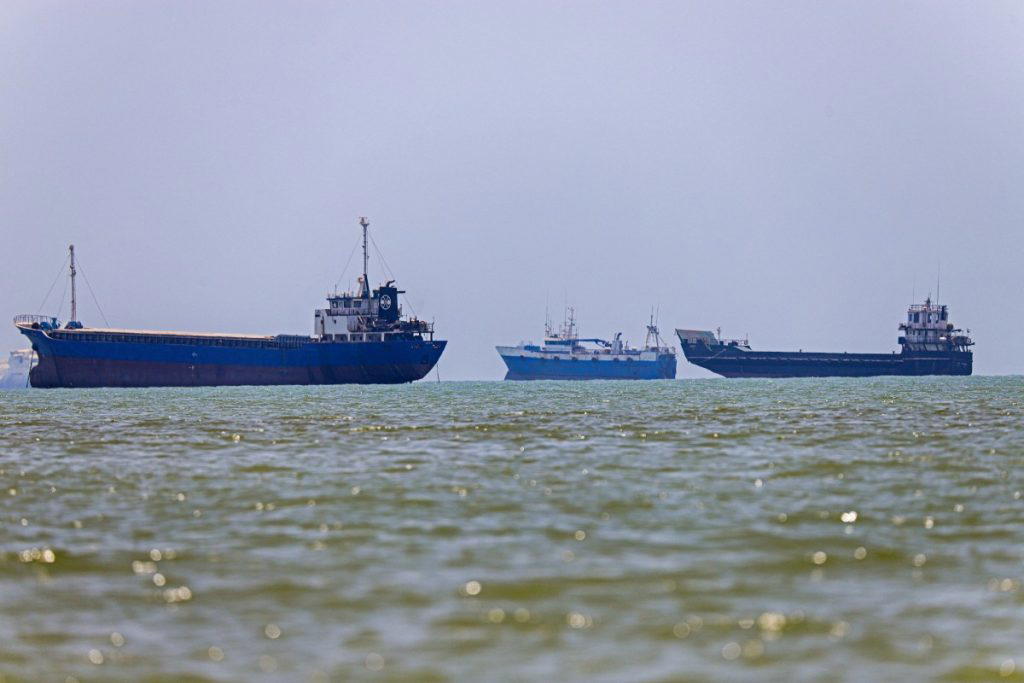
Fatemeh Bahrami/Anadolu via Getty ImagesIran's economy is showing signs of serious fatigue as the war heads for the six month mark. Inflation and unemployment have soared, while oil revenue has cratered amid the US blockade.Iran's Misery Index hit a record high in the first quarter, and the economy is shrinking. After almost six months of war, Iran's economy is struggling. President Donald Trump told Axios over the weekend that he's shifting his approach in the war, with the US ready to let the economic pressure quietly mount until Iran is forced to return to the negotiating table. The tactical shift comes at a critical time for the Iranian economy. The nation has already withstood amounts of economic pain in the war, but the losses are starting to pose serious risks, particularly as the US blockade on the Strait of Hormuz remains in effect.A report from the Foundation for Defense of Democracies estimated that the blockade was likely costing the nation $435 million a day, given that oil is a key source of revenue for Iran."Iran's financial lifeline has been cut by the US blockade, and the economy will remain in a very depressed state unless it can secure concessions," William Jackson, a chief emerging markets economist at Capital Economics, wrote on Monday. "But whether this happens ultimately comes down to the degree of economic pain that the Iranian regime is willing to bear to achieve its military and geopolitical objectives."Here are five stats that illustrate the economic stress that's piling up for Iran. 1. Oil exports have plummetedOil exports, the backbone of Iran's economy, are plummeting, indicating that the nation could be cash-strapped as the war drags on.The American Coalition Against Nuclear Iran estimates that Iran's oil exports dropped to a low of about 65,000 barrels a day in May — down 69% from the 2.12 million barrels a day it exported before the war.Estimates for June and July vary. The ACNL estimates that oil exports rebounded to 1.7 million barrels a day in June and hit 967,000 barrels a day in July, primarily due to increased demand from China.Researchers from Capital Economics said that Iran's oil exports likely fell to "close to nothing" in July, after the blockade was reinstated. The firm pointed to reports that Iran hasn't loaded any oil tankers at Kharg Island, its main export terminal for crude, for at least a week.The nation is also "less well placed" to cope with the naval blockade now than it was in April, Capital Economics' Jackson said, pointing to how usable foreign exchange reserves had likely dwindled since the start of the war.The blockade could cut off as much as 70% of Iran's export income, according to an estimate from Oxford Economics.2. Economy on track for sharpest contraction in 38 yearsIran's real GDP is expected to contract 5.4% year-over-year in 2026, according to a July estimate from the International Monetary Fund.A decline of that magnitude would mark Iran's worst economic contraction since 1988, the year oil prices plummeted and delivered a devastating blow to the nation's oil revenue.Given that oil exports accounted for around 11% of Iran's pre-war GDP, Iran's imports need to fall by around 75% to to make up for the loss of export income, Capital Economics' Jackson estimated."It's certainly the case that Iran's economy is struggling," he added.Iran's economy was already "unravelling" at the end of last year, researchers at the FDD wrote in a note, adding that the total economic damage of the war had likely mounted to around $144 billion — or 40% of Iran's pre-war GDP."The US naval blockade has proven to be the most economically precise instrument deployed," the think tank said.3. Currency is trading near record lowsIran's currency plummeted to a record low against the US dollar this summer. The greenback was worth around 190,000 rials at the start of August — representing the lowest-ever value of Iran's currency.The rial has since recovered slightly, with the dollar being worth around 185,000 rials on Monday, according to data from Bonbast, an Iranian foreign exchange data collector.4. Inflation is soaringPrices in Iran are still soaring, a consequence of the rial being severely devalued, Capital Economics said.Inflation in Iran increased 62% on an annual basis in June, according to data from the nation's statistical center. The IMF expects inflation to increase to an average annualized rate of 68.9% by the end of the year, per its latest July outlook.5. The Misery Index has reached a new recordEconomic sentiment in Iran is at a low point. The Misery Index, a sentiment gauge that's calculated by adding Iran's point-to-point inflation rate and the unemployment rate, hit 91.1 this spring, the highest level ever recorded, according to data from Iran's statistics center.Iran's unemployment rate rose to around 7% in the first quarter, according to the Iranian Labour News Agency.The nation lost around 630,000 manufacturing jobs in the first quarter, Iran's sta
Don't miss out on breaking stories and in-depth articles.