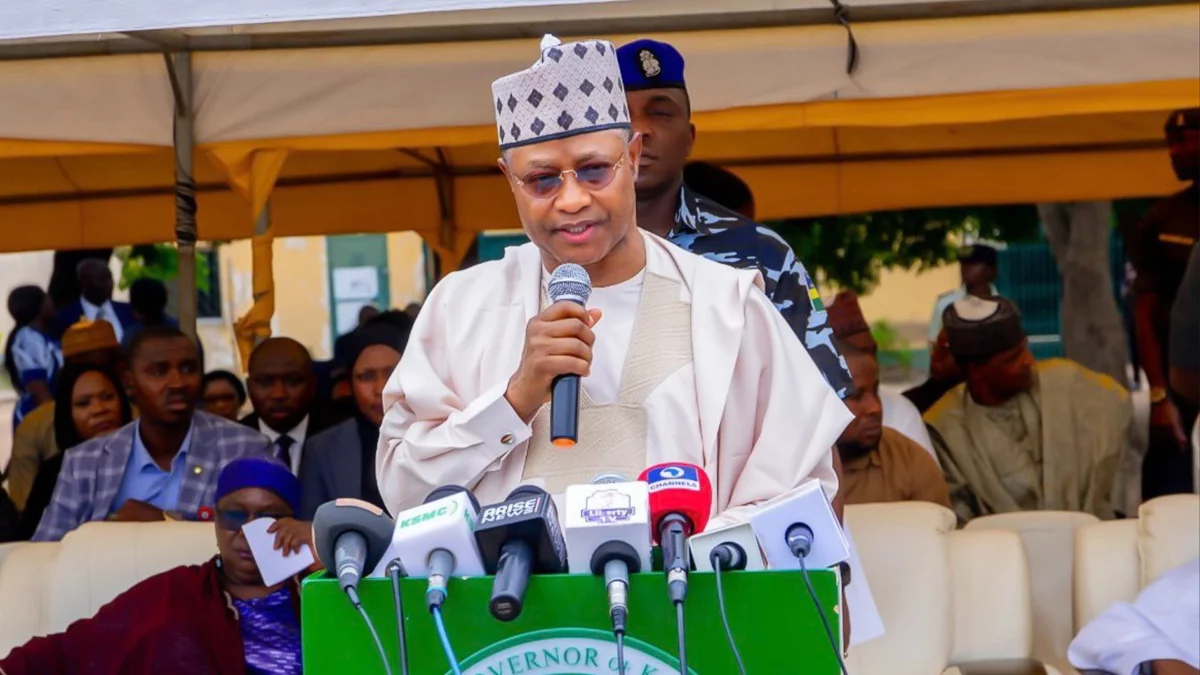
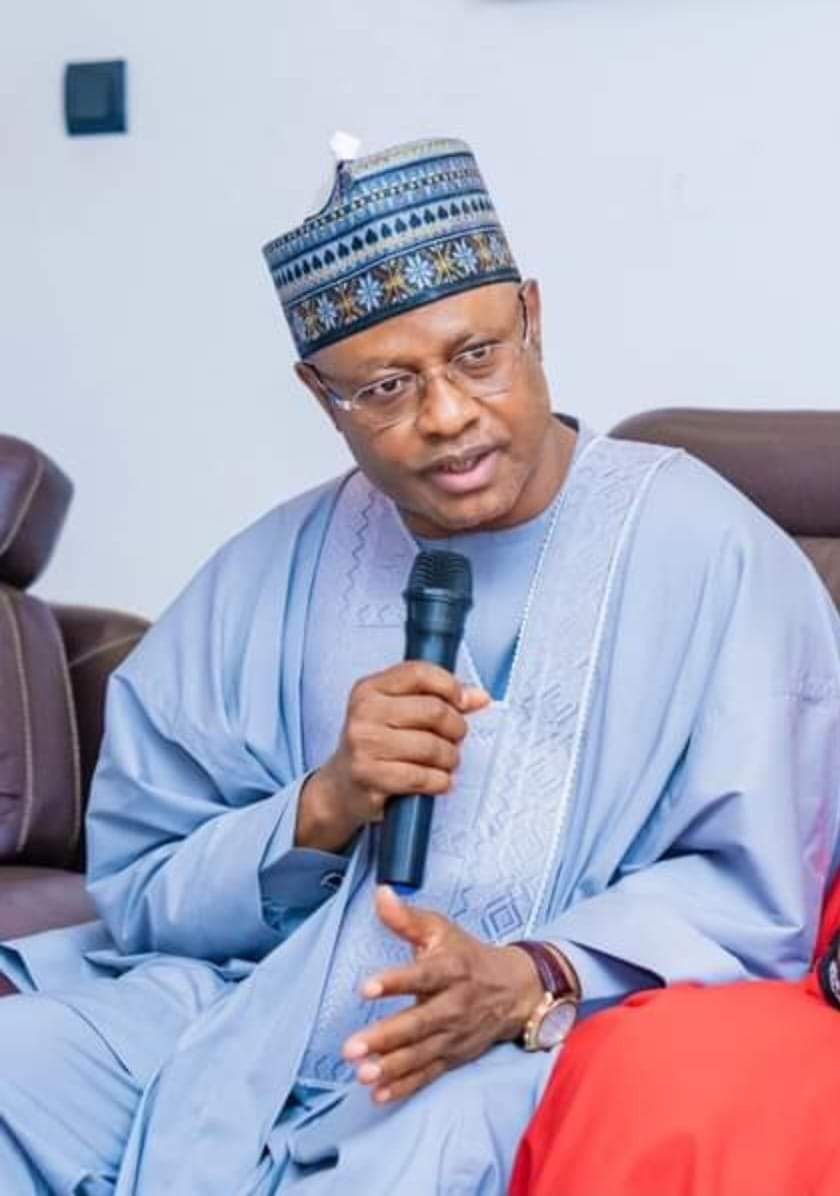
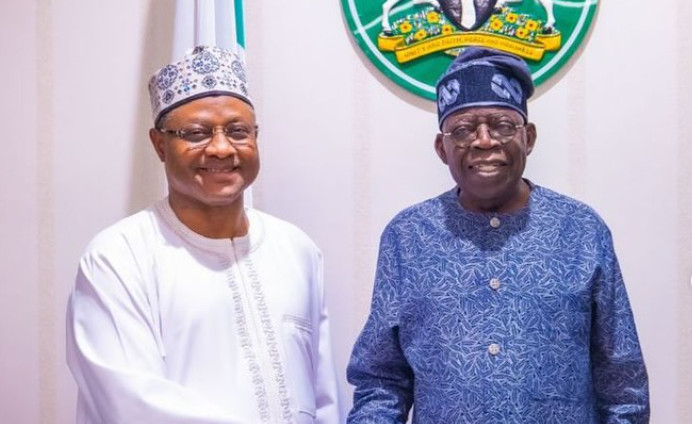
The state government is living up to its promise, reckons WAZIRI GARBA Some management and development experts often posit that the accountability expected of leaders does not just stop at minding and dispensing the public till. It also entails living up to their words with action to fulfil their covenant with the public, especially for politicians. Governor Uba Sani, since assuming office, has been matching his campaign promises with deeds. As a candidate, Senator Uba Sani had sought the people’s mandate, promising a seven-point development programme tagged, the SUSTAIN Agenda. When implemented religiously, he had argued, the acronym would serve as a reliable road to prosperity for rural and urban communities in Kaduna State. In summary, SUSTAIN stands for Safety and security (foremost), Upgrade of Infrastructure, Strengthening Institutions, Trade and Investment, Investment in Human Capital and Nurturing Citizen’s Engagement. On Saturday, 25th July, Uba Sani flagged off the distribution of 500 trucks of free fertilisers and agricultural mechanization equipment, to 150,000 small-holder farmers across the 23 Local government areas of the state. The distribution of that largesse was not the first time that the Governor doled out free farm inputs to smallholder farmers. In 2024, 500 trucks of fertilizer were also distributed to farmers free and in 2025 400 trucks were similarly delivered to them at no cost. With the rise in agriculture’s budget this year to over N100bn from a paltry N1.48bn in 2023, the distribution of free fertiler, complemented with the provision of some agricultural mechanization, Governor Uba Sani’s administration is a farmer-friendly government. Ultimately, his plan is to revolutionize agriculture and empower small-holder farmers, as well as to uplift the standard of living of the rural communities. Besides agriculture, Governor Sani has earned a pride of place in Nigeria’s history in the last three years, especially in his financial inclusion drive, revenue generation, investment and job creation, security, infrastructural development, education, health and social welfare, among others. However, the Kaduna Peace Model of using non-kinetic means to tackle the security challenges in the state, has remained a reference point amongst security experts. Starting with his recruitment of 7,000 youth into the State Vigilante Service (KADVIS) early in the life of the administration, to boosting the capabilities of security agencies with 150 patrol vehicles and 500 motorcycles, his active liaison with federal security agencies and the local communities in policing, the administration has indeed succeeded in making Kaduna State appreciably safe. Birnin-Gwari and Giwa LGAs were no-go areas due to the unchecked activities of bandits and other non-state actors in the past. Their famous cattle markets which were closed for a long time, have now returned to full scale operation. Likewise, the popular grains markets are now in full swing, as truck-loads of grains are being transported across neighbouring states and down to far-flung places in the south of Nigeria with ease. In addition, over 500,000 hectares of land which insurgency had denied farmers access to, have now been reclaimed. Indeed, insurgency and banditry have not been banished; pockets of abductions and sundry crimes are still being reported mostly in the remote rural areas, but the Kaduna Peace Model which involves all stakeholders in the management of the peace has drastically minimized the incidents. Likewise, the favourable investment climate, induced by a secure environment, has resulted in over $2bn garnered in various investment portfolios from both foreign and local sources. Jobs are expected to be created in the wake of the coming to fruition of some of the ventures. Projects such as Sunagrow Soya oil Refinery Plant, Lithium Processing Plant, Ming Xin Mineral Separation plant, the multi-billion naira Kaduna Bus Rapid Transit (KBRT) project, being undertaken jointly with France as well as, a host of mining companies that are ready to go full swing, are some of the investments that are in the offing. Specifically, Uba Sani has been executing projects, improving existing infrastructure and paying off debts in the last three years without borrowing a dime. According to him, ‘’in the last three years, we have been able to pay over N90bn of the debt we inherited and since we came into government, we have not taken any loans. We have also generated $2.5bn in investment for our state”. This speaks to his versatile financial management. Indeed, he has constructed a total of 150 road projects covering more than 1,355 kilometres, across the 23 LGAs in the last three years. This is unprecedented in Kaduna State, within the time span. The good road networks have improved transportation, boosted the economy, enhanced access to schools, health care
Don't miss out on breaking stories and in-depth articles.