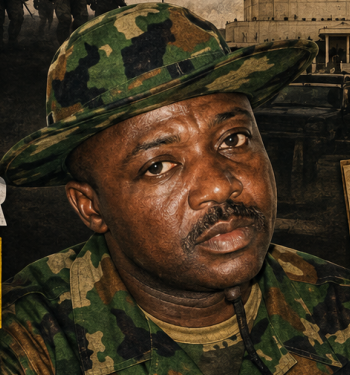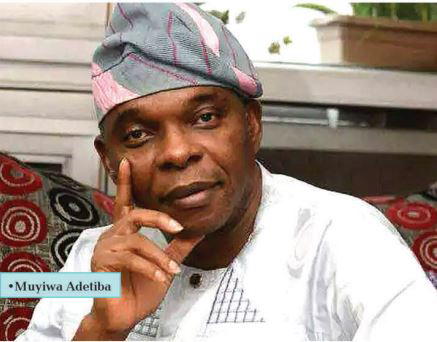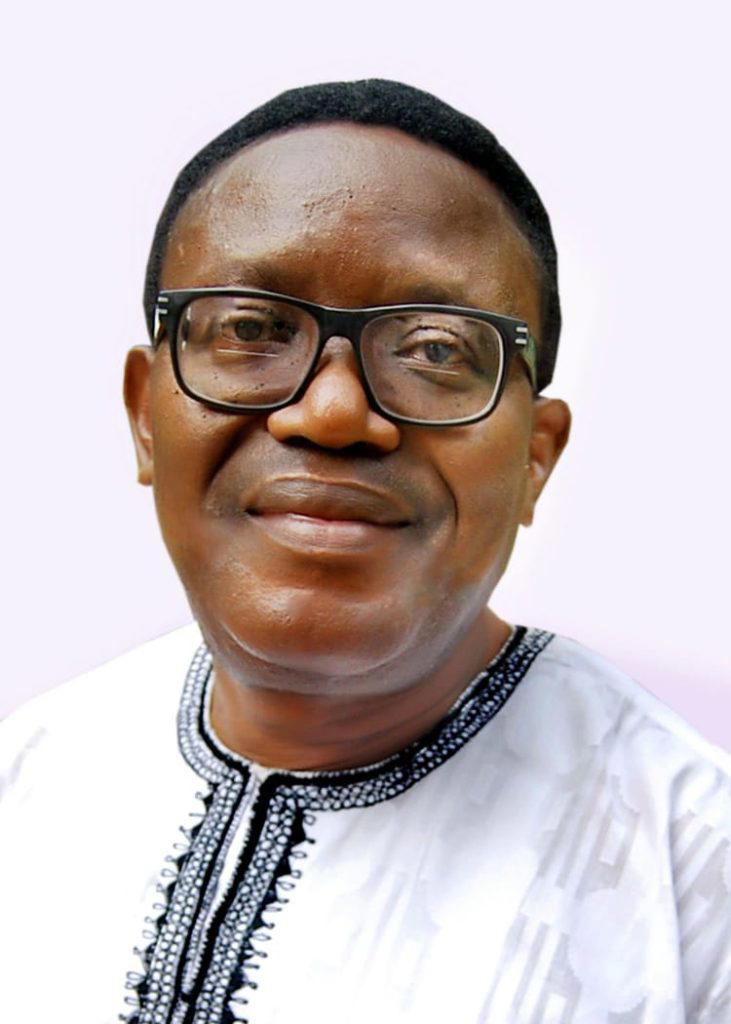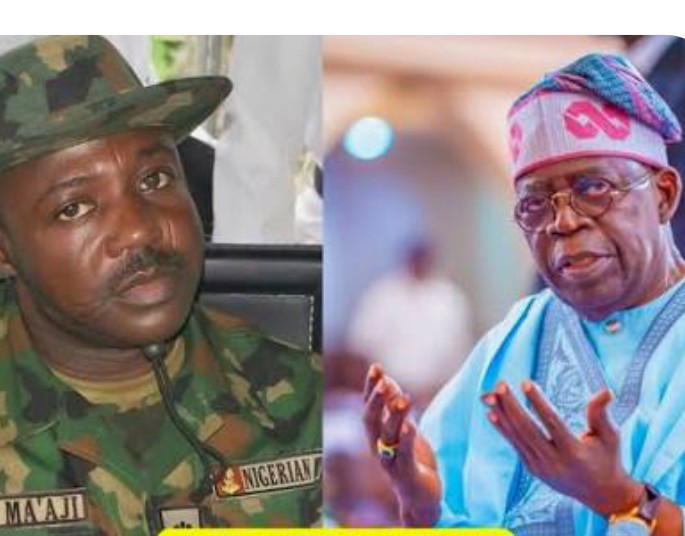
By Kingsley Omonobi ABUJA — A Nigerian Army Colonel, Mohammed Ma’aji, accused of involvement in an alleged plot to overthrow the government of President Bola Tinubu, has said his actions were driven by patriotism and frustration over what he described as worsening conditions in the country. His explanations were contained in fresh court records which provided new details about how investigators said a group of military officers and civilians allegedly developed, suspended and later revived a plan to overthrow President Tinubu’s administration. Defence Headquarters yesterday, said it would not react to the development since the case is still in court. Director of Defence Information, DDI, Major-General Samaila Uba, said reacting will amount to subjudice. Colonel Ma’aji said his actions were driven by patriotism and frustration over what he described as worsening conditions in the country. While apologising for his involvement in the alleged plot and appealing to the authorities for leniency, he insisted that his motive was not personal ambition but a desire for a better Nigeria. He said the plan emerged from concerns among some military personnel over poor governance, insecurity, inadequate welfare and declining living standards. According to him, the situation had become so troubling that he feared the country was heading towards collapse. Ma’aji said: “What has happened has a very long history, and it is driven by patriotism and I love the job and country. “Every time I look at how I’m struggling to raise five children with my meagre salary, I get worried. Looking at every aspect of life in Nigeria, there is no hope for the common man, and we are left to defend ourselves. “This has nothing to do with any ambition or personal goals. It is purely out of the desire for a prosperous country that works for everyone.” He alleged that military personnel were particularly affected by inadequate welfare, citing the condition of soldiers wounded in combat and the challenges facing serving personnel and their families. The colonel said the movement was still at a stage of mobilisation and discussions when security authorities intervened, adding that no specific date had been agreed for any action. He also denied that there were foreign collaborators, while explaining that various individuals became involved at different stages of the discussions. Ma’aji said some of those approached expressed concerns about the state of the country, while others withdrew or failed to provide the resources they had initially promised. He further said the alleged plot was fuelled by what he described as frustrations over his failure to secure promotion to the rank of brigadier-general on two occasions. According to him, some of his colleagues had encouraged him to revive the movement after the second setback. The colonel, who said the initial planning started during the administration of Muhammadu Buhari, however, said his experience, following his arrest, had changed his perspective and made him realise that there were alternative ways of expressing concerns within the military. “If God willing, the authority is kind enough to pardon us, we will never contemplate this course of action again in the future,” he said. Ma’aji called for the establishment of a formal channel through which military personnel could communicate their concerns directly to the Chief of Army Staff without fear of victimisation. He also recommended improved remuneration and welfare packages for members of the Armed Forces, including better healthcare, housing, pension and family support. The colonel called for an improvement in the military’s casualty management system, saying the treatment of wounded soldiers could affect the morale of personnel still serving in operational areas. He also criticised what he described as godfatherism and perceived inequality in military postings and career progression, arguing that some officers had spent years on operations while others had little or no operational exposure. On the wider Nigerian society, Ma’aji expressed concern over the cost of living, education, corruption and the impact of fuel subsidy removal on ordinary citizens. He urged government to invest resources saved from subsidy reforms in programmes capable of reducing hardship, including mass transportation and other social infrastructure. He equally called for stronger action against corruption, saying perceived impunity among public officials could affect the morale and confidence of security personnel. On the alleged coup plot itself, Ma’aji said the movement was never intended to destabilise the country, insisting that it was motivated by what he described as love for Nigeria. He said: “Everything we planned was borne out o
Don't miss out on breaking stories and in-depth articles.