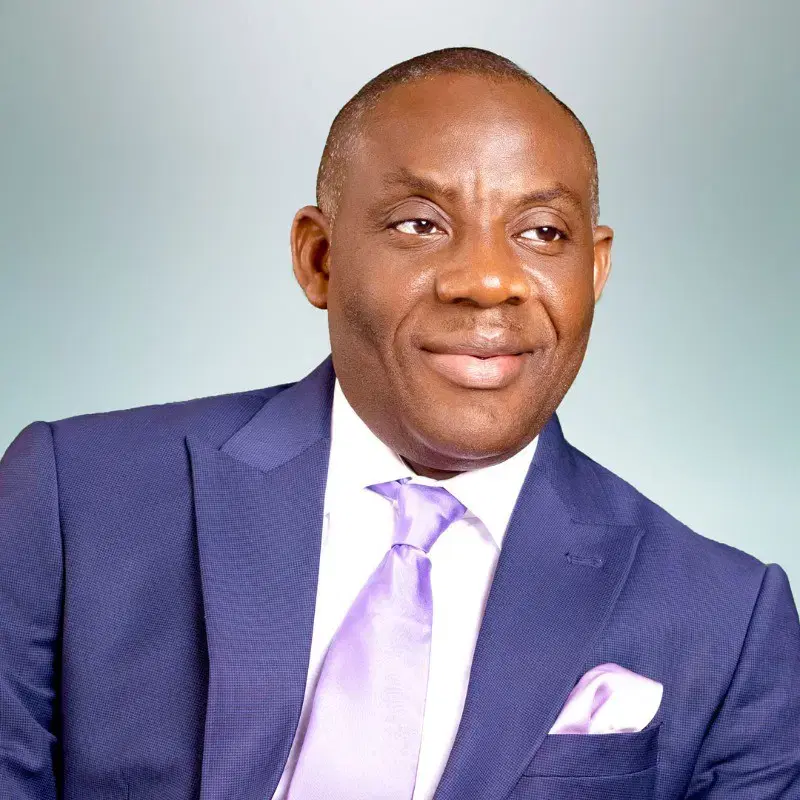
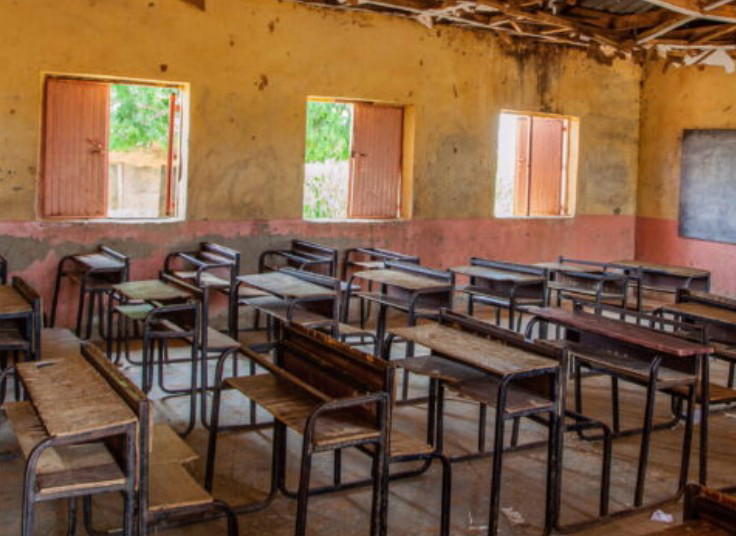
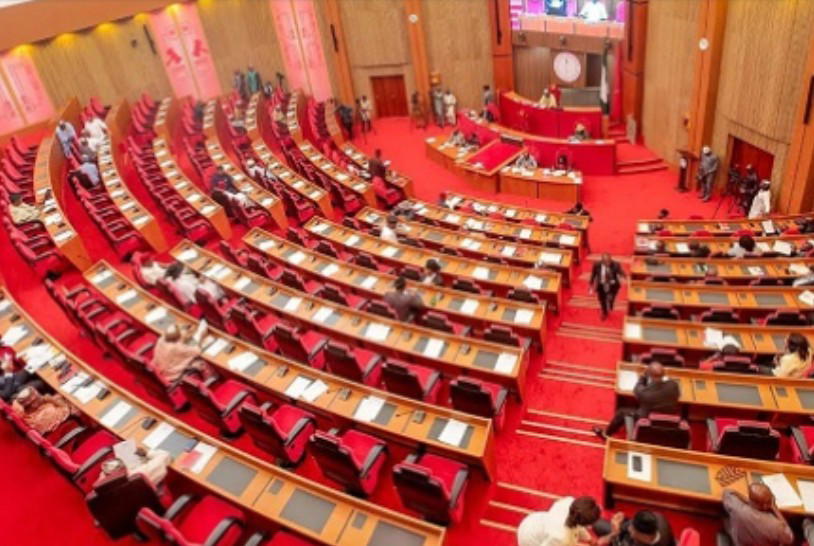
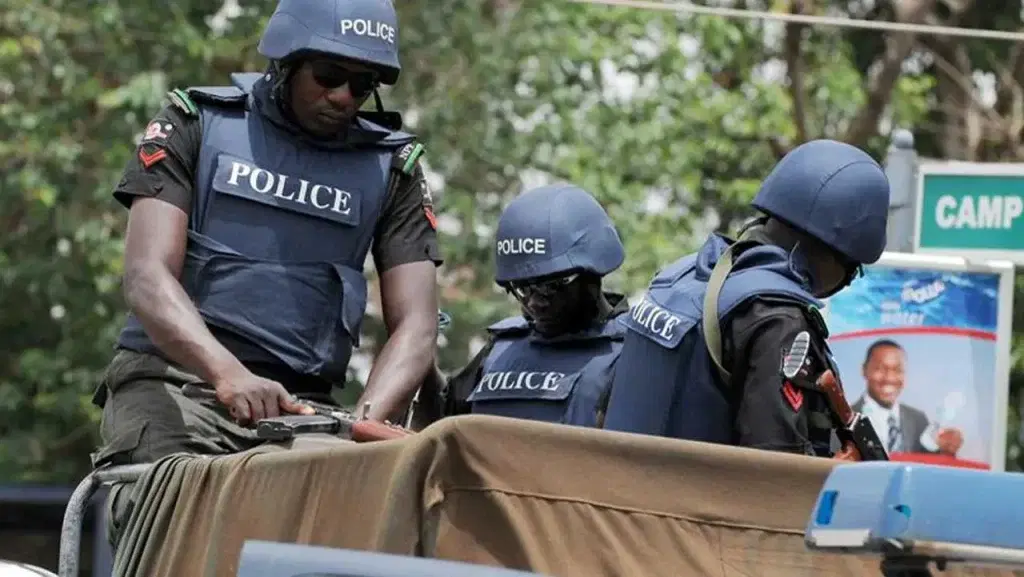
Two ministers admitted funding delays and fragmented oversight have weakened school security nationwide, pledging closer coordination as the Senate widens its Safe Schools Initiative probe to five more agencies, demanding accountability for billions in intervention funds. Sunday Aborisade reports. Twelve years after 276 schoolgirls were dragged from their dormitory in Chibok, and barely three weeks after the 39 abducted school children and six teachers in Oyo State have been successfully rescued after spending 56 days in captivity, the Federal Government moved penultimate Friday to answer a question that has trailed the Safe Schools Initiative since its birth: where did the money go, and why are Nigerian children still not safe in their classrooms? The answer, delivered under the unblinking gaze of the Senate Ad-hoc Committee on the Safe Schools Initiative, came in two parts and from two ministers who, for the first time, appeared to be reading from the same script. At separate investigative hearings chaired by Senator Orji Uzor Kalu, Minister of Finance and Coordinating Minister of the Economy, Mr Taiwo Oyedele, and his Education counterpart, Dr Tunji Alausa, pledged that the turf-guarding that has long shadowed the initiative would give way to coordination, between their ministries, security agencies, state governments, development partners and the National Assembly. It was, in effect, an admission that fragmentation had been part of the problem. The headline announcement was institutional. Alausa disclosed that the Safe Schools Initiative, for years financially domiciled in the Ministry of Finance even though it was Education that dealt daily with schools, states and pupils, has now been formally transferred to the Federal Ministry of Education, which has stood up a full Safe Schools Department to run it. In an interactive session with newsmen after the session, Alausa said: “When I became Minister of Education, I wrote to the then Minister of Finance requesting that the Safe Schools financing structure be moved to the Ministry of Education. Although there was support for the idea, administrative constraints delayed the process. “Today, the Safe Schools Initiative is officially domiciled in the Federal Ministry of Education. We have also established a dedicated Safe Schools Department to coordinate policy, implementation and monitoring,” he explained. His argument for the switch was structural rather than political: Education supervises school policy nationwide and works directly with states and institutions, making it the natural home for a programme that, in his telling, has outgrown its original narrow conception of guns at the school gate. Alausa said, “Safe Schools is much broader than physical security. It includes perimeter fencing, solar-powered lighting, water and sanitation facilities, recruitment of school security personnel, deployment of technology and the establishment of effective monitoring systems.” That breadth, he argued, is precisely why it needs “a central command-and-control structure.” One in which security agencies retain their constitutional mandates while education provides policy direction and ensures every school, not just the politically visible ones, benefits. If Alausa’s session dealt with structure, Oyedele’s dealt with money. This is to address the uncomfortable arithmetic of an initiative that has drawn in federal appropriations, state contributions, private-sector pledges and foreign grants running into tens of millions of dollars, yet has failed to stop schools from being emptied at gunpoint. Oyedele did not dispute that gaps exist. He identified, unprompted, the most persistent one: agencies tasked with implementation, the Nigeria Police Force, the Nigeria Security and Civil Defence Corps, the Department of State Services and the military, have not always received funds when they needed them. “We have identified several issues requiring attention, including the timeliness of funding for agencies responsible for implementing the initiative,” he told the committee, adding that his ministry would work with the National Assembly “in identifying any shortcomings and implementing the necessary reforms.” Asked why Safe Schools funding was domiciled with Finance rather than Education, Oyedele offered a technocrat’s answer that doubled as a mild rebuttal of the turf-war framing altogether. He explained that certain funds, service-wide votes, intervention funds, are statutorily administered by the Ministry of Finance because it functions as the government’s financial manager through the Office of the Accountant-General. The real issue, he insisted, was never who held the purse. According to him: “What matters most is ensuring that adequate resources are made available and released
Don't miss out on breaking stories and in-depth articles.