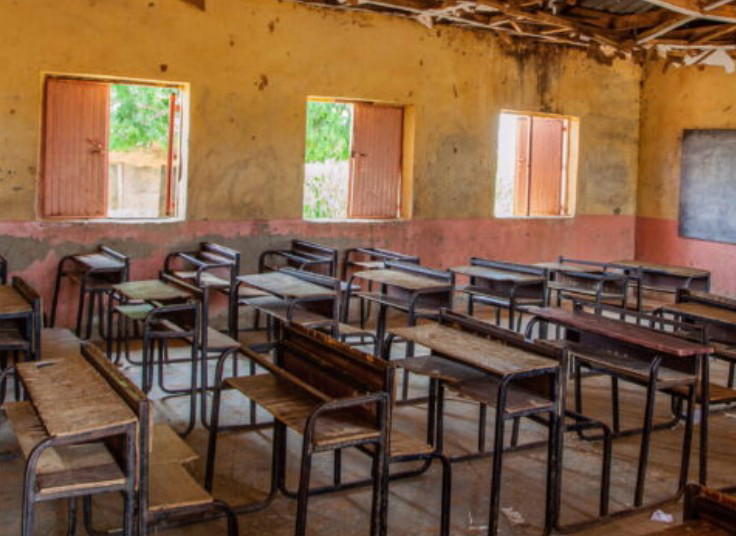
• Says his govt will replace Abuja bureaucracy with intelligence-led, community-based security Chuks Okocha in Abuja Former Vice President of Nigeria and the presidential candidate of the African Democratic Congress (ADC), Atiku Abubakar, has described reports that schools across about 40 local government areas have been shut because of insecurity as a damning indictment of the Bola Tinubu administration’s failure to protect Nigerian children and guarantee their right to education. In a statement issued by his Senior Special Assistant on Public Communication, Phrank Shaibu, Atiku said the development raises serious questions about the N144.86 billion National Plan on Financing Safe Schools for 2023–2026, particularly when the schools the programme was designed to protect are still being forced to close because of terrorists, bandits and other armed groups. “At a time when Nigeria is already battling a severe out-of-school crisis, insecurity is driving even more children from the classroom. If schools across about 40 local government areas cannot operate because government cannot guarantee the safety of pupils and teachers, Nigerians are entitled to ask a simple question: Where is the N144.86 billion Safe Schools programme in all of this? “Budgeting money is not the same thing as securing schools. Announcing programmes is not the same thing as protecting children. “The true measure of a Safe Schools programme is whether our children can actually go to school safely. By that elementary test, the present approach is failing.” Atiku demanded that the Tinubu’s administration should publish a comprehensive account of the programme, including how much has been mobilised and released, the agencies and contractors that received funds, the schools covered, security infrastructure delivered and measurable outcomes achieved. He warned, however, that accounting for the money alone would not solve the deeper problem. “What Nigeria requires is a completely different security philosophy. Under my administration, school security will not be treated as another Abuja contract-awarding programme. “It will be integrated into a decentralised, intelligence-led security architecture built around the communities where these schools actually exist. “We will establish functional early-warning and rapid-response systems around vulnerable schools, strengthen intelligence sharing between schools, communities and security agencies, and ensure that identified high-risk schools have clearly defined security and emergency-response plans. “Local communities know their terrain. They know when unfamiliar people enter their communities and often see the warning signs before Abuja does. Our security architecture will make that local intelligence part of the national response rather than leaving communities helpless until an attack has already occurred. “We will also insist on measurable outcomes for every naira committed to school security. Nigerians will know which schools have been protected, what infrastructure has been provided, who is responsible for maintaining it and which security formations are accountable for responding when threats arise. “Safe Schools will be measured by children in classrooms, not billions in government documents.” Atiku said the consequences of allowing insecurity to empty classrooms extend far beyond education. “Every school that closes creates another opening for poverty, child labour, early marriage, exploitation and radicalisation. “Every child driven from the classroom becomes more vulnerable to the same criminal and extremist networks the government claims to be fighting. Protecting education is therefore itself a national security strategy.” He said it was indefensible that Nigeria, after repeated attacks and abductions involving educational institutions, could commit enormous resources to a Safe Schools programme and still reach the end of its implementation period with armed groups determining whether schools open or close. Atiku said the situation in Borno makes the failure even more intolerable. Reports indicate that 36 students and a staff member of Government Day Secondary School, Lassa, in Askira/Uba Local Government Area were abducted by gunmen during examinations in late June, while 42 pupils reportedly remain missing following the May 15 attack in Mussa. “When terrorists can decide whether Nigerian children go to school, they are exercising authority that belongs to the Nigerian state. That is not merely an education crisis. It is a surrender of state authority. “And since Mr. President says his government knows the forests where these kidnappers and terrorists operate, Nigerians are entitled to ask: what exactly are they still doing there? “Mr. President shoul
Don't miss out on breaking stories and in-depth articles.