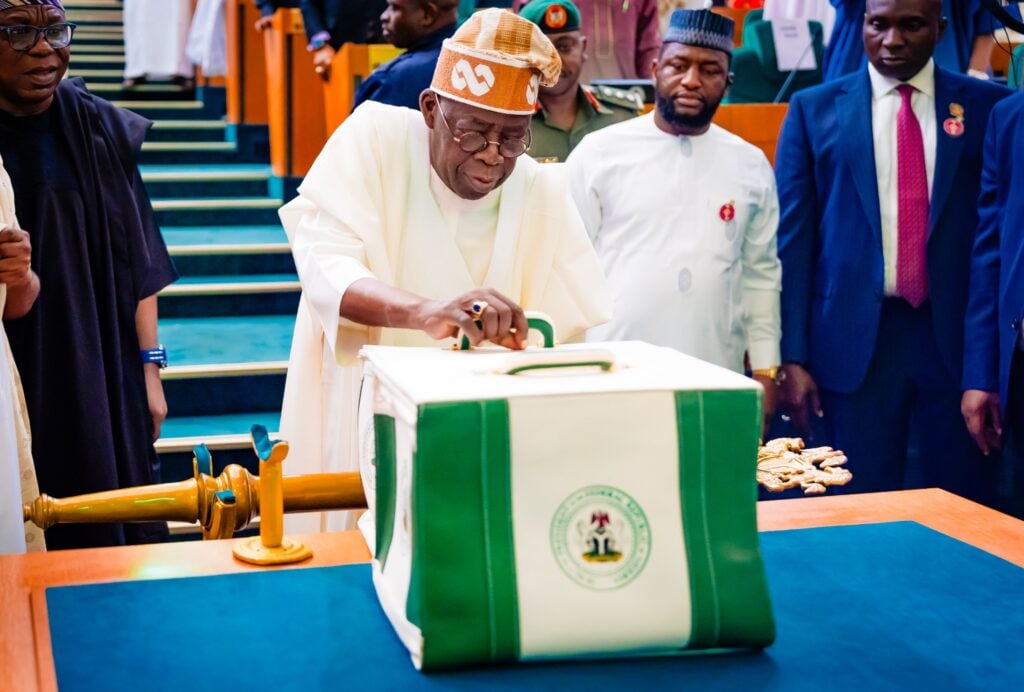
***Budget figures do not add up; audit office not independent — State Departmentl ***Says national budget vague on govt. revenue, expenditurel ***Budget implementation unclear, vague – BudgIT By Emma Ujah, Abuja Bureau Chief, Johnbosco Agbakwuru & Nkiruka Nnorom Nigeria has failed the minimum fiscal transparency requirements for the second conse cutive year, with the U.S Department of State saying the country made no significant progress in improving its financial management and opening up its public finances in 2025. In its 2026 Fiscal Transparency Report released Tuesday, the department assessed 139 governments and the Palestinian Authority, with only 73 meeting the minimum standards. Of the 67 that did not, 14 made significant progress, while 53, including Nigeria, were marked as making no progress. The report came against the backdrop of complaints of poor implemetation of the nation’s budget by Nigerians, especially as the present government is running three budget – 20224, 2025 and 2026- simultaneously. According to the State Department, the assessment was based on information gathered by the U.S Embassy in Abuja, other federal agencies, international organizations and civil society groups between January 1 and December 31, 2025. The Presidency in a swift reaction last night, said transparency, accountability and effective public financial management remained important priorities of the federal government. Budget vague,figures donot add up But the US report delivered a damning verdict on Nigeria’s budget process, saying the national budget remained vague on both government revenue and expenditures. It specifically accused the federal government, among other things, of failing to provide a complete picture of its revenue and expenditures during the review period. “Budget documents did not provide a substantially complete picture of the government’s revenues and expenditures, or break down expenditures to support executive offices in the budget,” the report stated. According to the report, a substantially complete budget should show income and spending by ministry, detail revenue by source and type, including oil and non-oil, and disclose allocations to state-owned enterprises and special accounts. Nigeria’s documents, the report found, fell short of that standard. The department also flagged a credibility gap in budget execution, saying “actual revenues and expenditures did not reasonably correspond to those in the enacted budget.” The finding marked a significant decline for Nigeria, compared to 2025 when the U.S said Nigeria’s “budget documents provided a substantially complete picture of the government’s planned expenditures and revenue and were generally reliable.” The report also noted that while Nigeria published its enacted budget and end-of-year report online, the government “did not publish its executive budget proposal within a reasonable period.” Under the U.S criteria, the executive proposal should be made public at least one month before the start of the fiscal year and before legislative approval to allow meaningful public debate. Audit office lacks independence The report also took aim at Nigeria’s oversight institutions, saying the country’s supreme audit institution, Office of the Auditor-General of the Federal, OAuGF, did not meet international standards of independence or publish substantive reports. The audit office, which is supposed to verify how public money was spent and publish findings within 12 months of the end-of-year report, was noted to have access to the entire executed budget but failed to publish it. “The supreme audit institution should meet international standards of independence, audit the executed budget, and verify the annual financial statements. The results of such audits… should be published within a reasonable period,” the report stated. It stressed that without independence and published reports, citizens and lawmakers lacked a critical tool for accountability. Public procurement, contract details hidden from public On procurement and natural resources, the U.S report said Nigeria’s processes remained opaque, arguing that the government did not publish accessible information on public procurement contracts. For natural resource extraction, the report acknowledged that Nigeria “specified in law the criteria and procedures for awarding contracts and licenses and followed existing regulations in practice.” However, it added that the basic parameters of concessions such as geographic area, resource, duration, and company awarded, were not made public after decisions were taken. The 2026 report also introduced a tougher requirement: governments must now make the te
Don't miss out on breaking stories and in-depth articles.