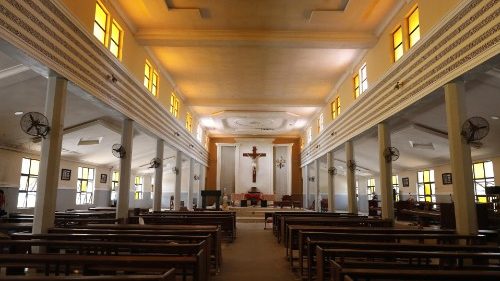
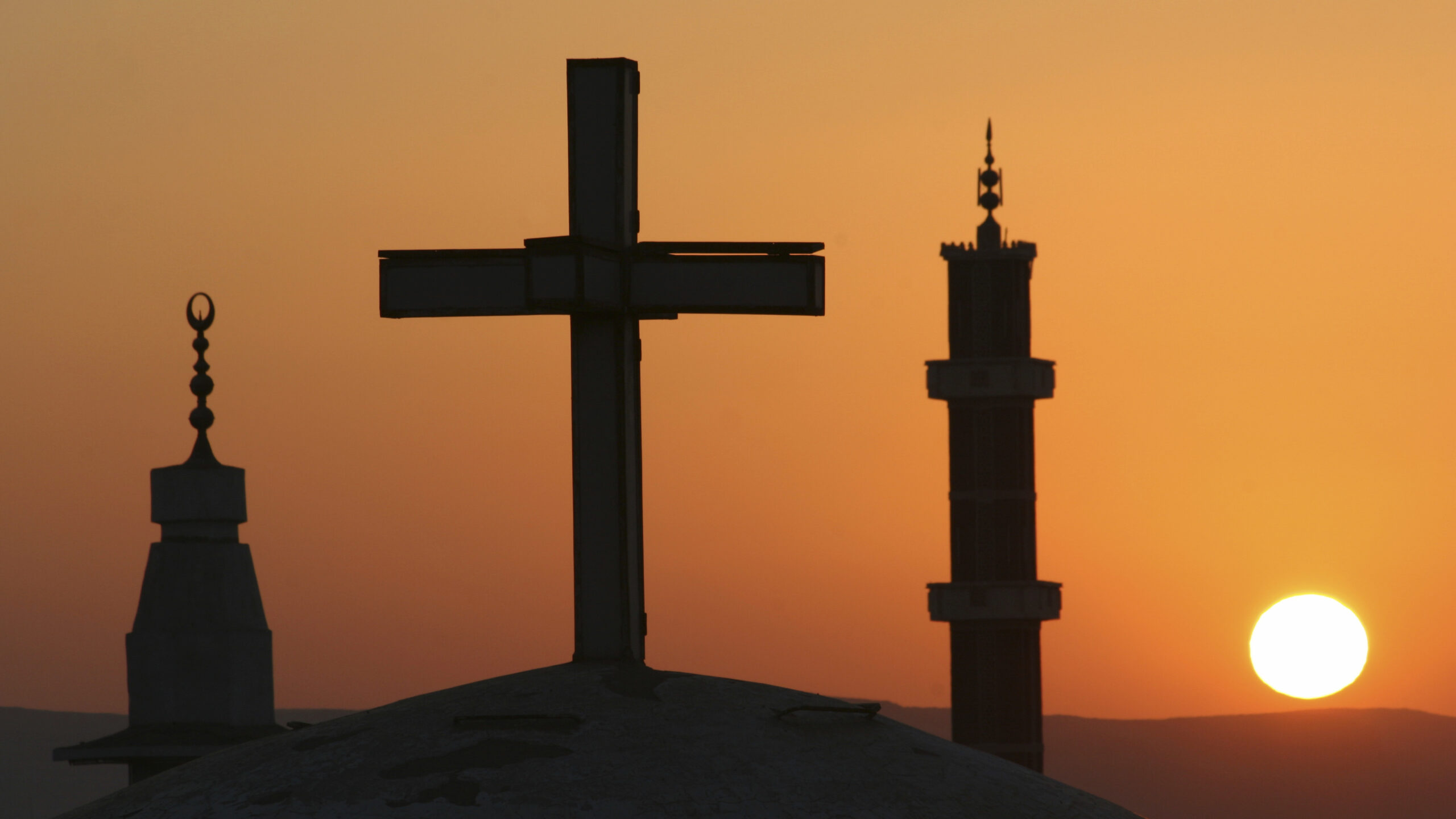
Muslim and Christian leaders in West Africa have pledged to promote the authentic values of their religions and reject their exploitation to fuel conflicts, violence and extremism. The leaders made the commitment in the Abuja Accord signed on Wednesday at the end of a two-day International Conference on Diversity and Social Peace, organised by the Saudi-based Muslim World League in collaboration with the Jama’atu Izalatil Bid’ah Wa Iqamatis Sunnah in Nigeria (JIBWIS). The communique, read by Garbadeen Muhammed, a member of the organising committee, said religious leaders had a responsibility to ensure that religious teachings were not distorted or used to promote violence and extremism. “Religion, in its essence, is a message of mercy and peace. Religious leaders bear the responsibility of highlighting the authentic values of religions and rejecting their exploitation to fuel conflicts or justify violence and extremism,” the leaders said. They affirmed that religious, cultural and ethnic diversity should be seen as a source of civilisational enrichment rather than a cause of conflict and division. The leaders also stressed the role of religion in promoting peace, strengthening citizenship, encouraging dialogue and cooperation, and using shared values to build a more secure and prosperous future for Nigeria and West Africa. They said social peace was a fundamental pillar of national security and could only be achieved through the joint efforts of state institutions, religious and educational institutions, the media and civil society organisations. The leaders identified inclusive national dialogue as an effective means of addressing the causes of tension, while urging stakeholders to strengthen trust among people of different faiths and ethnic backgrounds. They also called for greater efforts to promote intellectual security and protect communities from calls to extremism, fanaticism and hatred. According to them, religious discourse should be based on wisdom, moderation and the middle path. The communique highlighted the need to empower young people and women and involve them in national initiatives that promote peace, social responsibility and the values of citizenship. The leaders also emphasised the role of educational and religious institutions in raising generations that respect diversity, embrace tolerance and coexistence, and protect national identity while respecting religious identity. They noted that sustainable development was inseparable from social peace, while security and stability provided the environment needed for societies to prosper. The religious leaders, representing different faiths and denominations, pledged to sustain regular institutional dialogue and strengthen cooperation on issues that promote national unity and safeguard the security and stability of society. They proposed the establishment of a coordinating body for Muslim and Christian leaders and institutions in Nigeria, in collaboration with the Muslim World League, to coordinate joint initiatives and strengthen consultation and cooperation on matters of common interest. The leaders also urged the media and cultural institutions to promote responsible public discourse, counter rumours and inflammatory rhetoric, and highlight successful examples of peaceful coexistence and harmony. Rabi’ul Awwal: Sultanate council asks Muslims to look out for new moon today From Salim Ashir Mahuta, Sokoto The Sultanate Council, Sokoto, has called on Muslim faithful to look out for the new moon of Rabi’ul Awwal 1448AH today, August 13, 2026. The council made the call in a statement on Wednesday signed by Prof. Sambo Wali Junaidu, Wazirin Sokoto and Chairman, Advisory Committee on Religious Affairs, Sultanate Council, Sokoto. According to the statement, Thursday, August 13, which corresponds to 29th Safar 1448AH, has been designated as the day for Muslims to look for the new moon of Rabi’ul Awwal 1448AH. The council urged Muslims who sight the moon to report it to the nearest District or Village Head for onward communication to His Eminence, Alhaji Muhammad Sa’ad Abubakar, the Sultan of Sokoto and President-General, Nigeria Supreme Council for Islamic Affairs (NSCIA). Rabi’ul Awwal is a significant month in the Islamic calendar, particularly because 12th Rabi’ul Awwal is traditionally observed by many Muslims as the date of the birth of Prophet Muhammad (PBUH). The date is observed by many followers of various Sufi orders and other Muslims through Maulud gatherings, lectures, recitation of the Holy Qur’an and other religious activities to commemorate the birth of the Prophet Muhammad (PBUH). The Sultanate Council prayed for Allah’s assistance to Muslims in the discharge of the religious duty of moon sighting.
Don't miss out on breaking stories and in-depth articles.