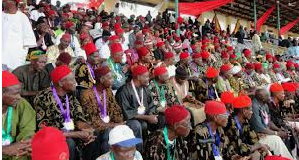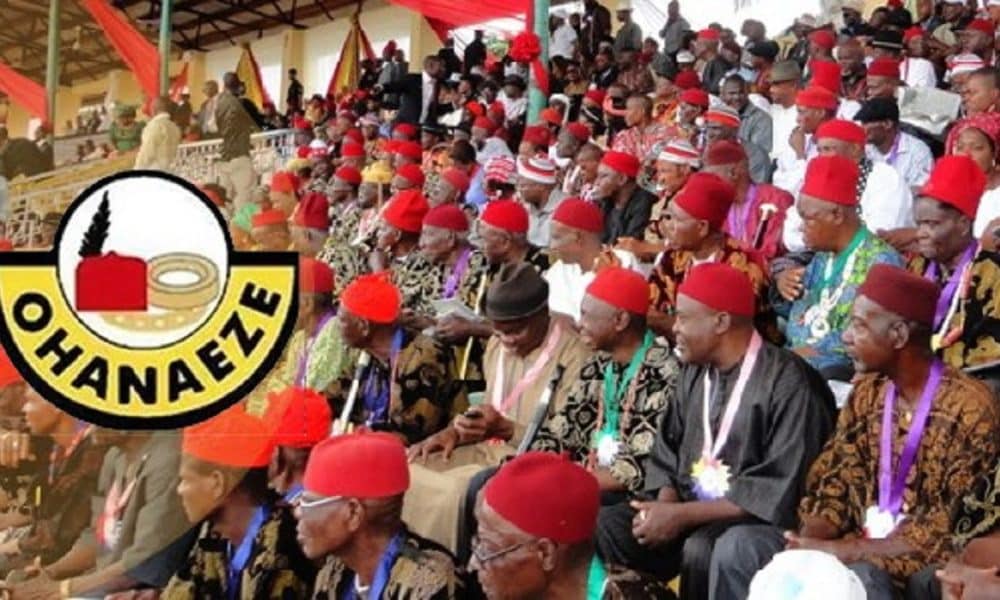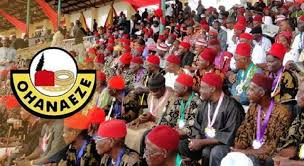
By Chimaobi Nwaiwu NNEWI — The United Igbo Elders Council, UNIEC, Worldwide has urged all parties involved in the leadership dispute in the Lagos State chapter of Ohanaeze Ndigbo to put the collective interest of Ndigbo above personal ambition, factional allegiance and individual interests. The elders also called for constitutional order, reconciliation and responsible leadership ahead of the 2027 general elections, warning that the prolonged dispute should not be allowed to weaken the socio-cultural institution of Ndigbo. In a statement titled, “Official Elderly Reaction to the Position of Concerned Members of the Global Executive Council, GEC, on Ohanaeze Ndigbo Lagos State Leadership Matter: A Call for Unity, Constitutional Order, Reconciliation and Responsible Igbo Leadership Ahead of 2027,” UNIEC said it had taken note of the statement attributed to some members of the Global Executive Council of Ohanaeze Ndigbo Worldwide. The statement, signed by UNIEC Director-General, His Lordship Bishop Justice Alpha Ikpeama, also addressed the reported emergence of Chief Leonard Okafor as President of the Lagos State chapter, the history of the leadership dispute and controversy surrounding the purported office of “Coordinator”. UNIEC said as an elder institution, it would not become another instrument in the factional contest, but would approach the matter with moderation, wisdom, fairness and historical consciousness. The council said its responsibility was to promote unity, preserve the dignity of Ndigbo and protect the future of the Igbo people. It acknowledged the arguments presented by the concerned GEC members but cautioned against reaching a final conclusion on the legitimacy of any faction based solely on competing public statements. According to the elders, disputed constitutional and judicial matters should be determined by the applicable constitution and bye-laws, certified court processes, competent institutional authorities and other authentic records. “The concerned GEC members have presented a historical account involving the reported Consent Judgment, the 2025 GEC intervention, the proposed dissolution of competing factions, reconciliation efforts involving principal actors, the reported April 2026 election and their reasons for affirming Chief Leonard Okafor. “UNIEC recognises the importance of these assertions and does not dismiss them. Nevertheless, an elder institution must distinguish between an institutional position, a factual assertion and a final legal determination,” the statement said. The council urged stakeholders to examine the relevant constitutional documents, certified court judgments and orders, official communications of competent Ohanaeze organs, electoral records and other primary documents before arriving at any definitive position. It said the controversy in Lagos was bigger than the state, warning that it could become a wider crisis of confidence within Ohanaeze Ndigbo Worldwide if not properly managed. “Lagos question is bigger than Lagos. UNIEC Worldwide believes that the Lagos leadership controversy must not be allowed to become a wider crisis of confidence within Ohanaeze Ndigbo Worldwide. “Ohanaeze is greater than any individual. It is greater than any office. It is greater than any election and it is greater than any faction,” the statement said. UNIEC stressed that Ohanaeze was an enduring institution representing the collective identity, aspirations and socio-cultural interests of Ndigbo, adding that leadership positions should be regarded as a trust rather than personal property. The council said every leader should consider the legacy being left for future generations rather than focusing solely on winning the current dispute. Okafor’s emergence On the reported emergence of Chief Leonard Okafor as President of the Lagos State chapter, UNIEC said it acknowledged the position of the concerned GEC members but urged caution because of competing claims, reported judicial proceedings and questions surrounding electoral authority and institutional recognition. It said the reported election outcome should be assessed within the complete constitutional and judicial framework. “If the election is established through the appropriate records as having been conducted under lawful authority and in accordance with the applicable constitutional provisions, then every stakeholder should respect the legitimate outcome,” it said. However, where legal questions remained unresolved before a competent court or constitutional authority, the council urged the parties to allow lawful processes to determine them rather than resorting to public confrontation. It said the ultimate objective
Don't miss out on breaking stories and in-depth articles.