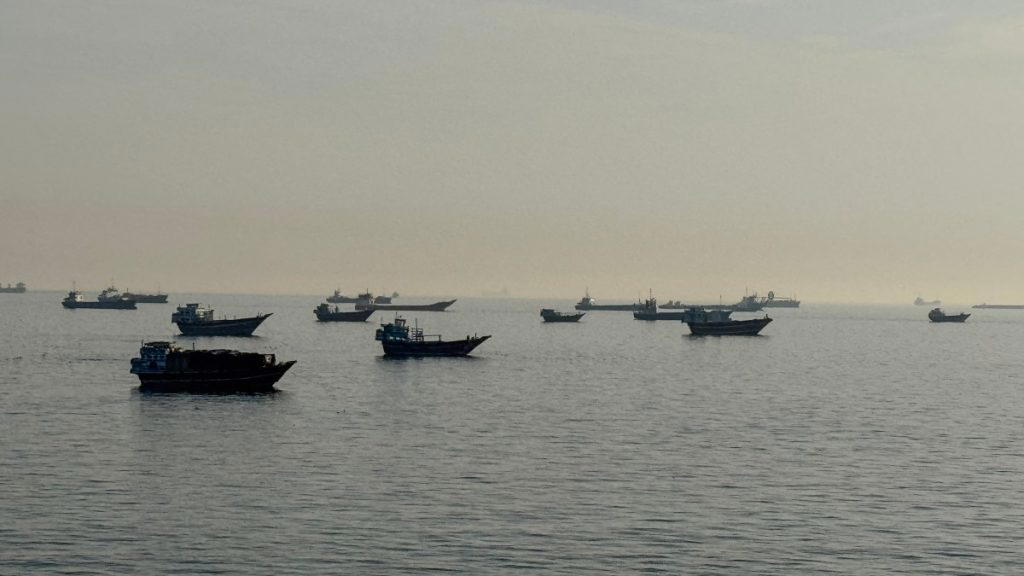
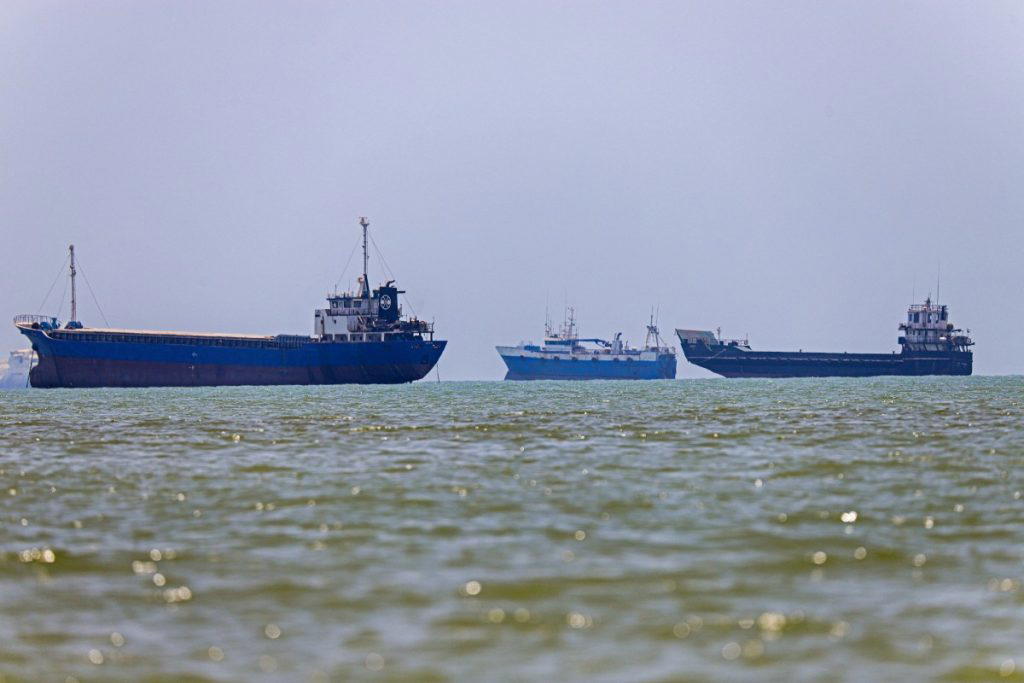
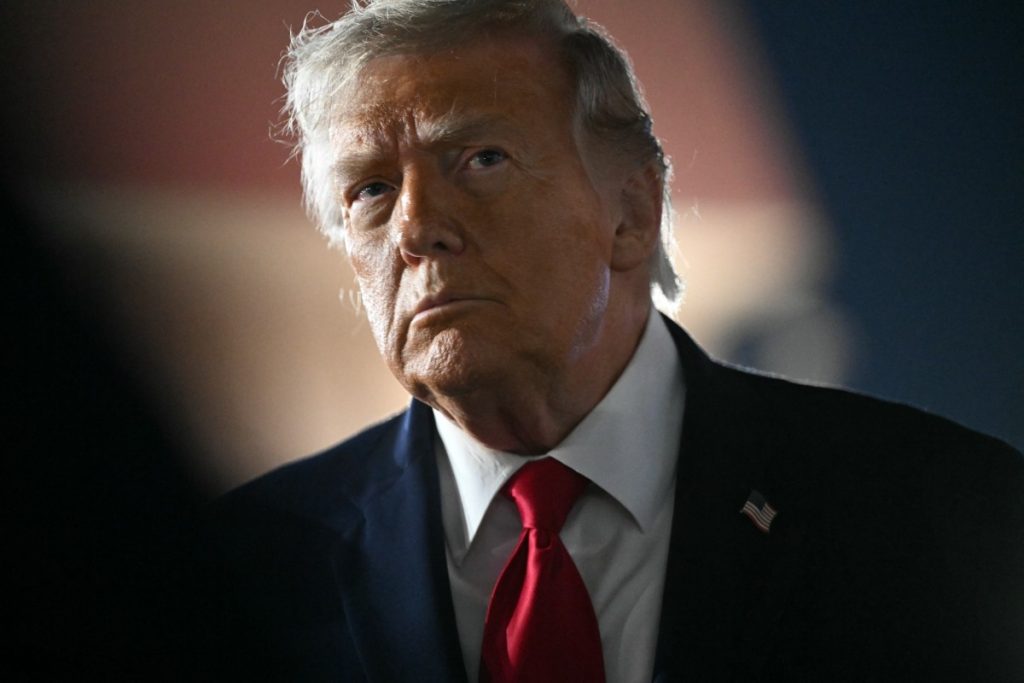
Iran has rejected US President Donald Trump’s claim that he will declare the Strait of Hormuz an American territory after the war. The country insisted that the strategic waterway remains Iranian. Trump made the declaration on Friday while speaking at a police academy on Long Island, New York, as tensions over the virtually closed waterway continue. “After we finish defeating Iran, which is being very badly defeated, pretty soon I’ll be declaring the Hormuz Strait a territory of the United States,” Trump said. ASUU: There is no free, fair election in Nigeria Davido faults delay in uploading results to IReV “Essentially, that’s what it is. We have the blockade. No ships get through unless we want them to”, he added. Iran swiftly rejected the claim, with Deputy Foreign Minister Kazem Gharibabadi insisting that the strait “has been Iranian, is Iranian, and will remain Iranian.” However, a White House official later described Trump’s territorial declaration as a joke. He said the president had not discussed the idea with his advisers. The remarks came as efforts to reopen the vital shipping route remained deadlocked. Tanker traffic through the strait has reduced to a fraction of its normal level. Iranian Foreign Minister Abbas Araghchi said on Saturday that Tehran had not decided to resume negotiations with Washington. He said messages exchanged through Qatar and Pakistan did not amount to negotiations between Iran and the US. Araghchi, however, said Iran was holding separate technical discussions with Oman on defining a sea route through the Strait of Hormuz. He added that reopening shipping through the waterway would depend on the US meeting conditions set by Tehran. The Iranian minister also said the discussions with Oman could soon reach a conclusion. The latest diplomatic efforts followed renewed attacks on commercial vessels in the waterway. The United Arab Emirates accused Iran of attacking an Abu Dhabi National Oil Company vessel while transiting Hormuz on August 13. The vessel was damaged, although no injuries were reported. The attacks have further reduced commercial shipping through the waterway, which normally carries about one fifth of global oil and liquefied natural gas supplies. Trump has maintained that the US has effective control of the waterway through its naval blockade, while Tehran continues to assert its authority over the strait. The standoff has also pushed up energy prices, with oil prices rising amid the disruption and lack of progress in efforts to end the conflict. The Strait of Hormuz, which separates Iran from Oman and links the Persian Gulf with the Gulf of Oman, is one of the world’s most important energy chokepoints. The International Energy Agency said nearly 15 million barrels of crude oil a day passed through the waterway in 2025, representing about 34 per cent of global crude oil trade. The waterway has been at the centre of the US Iran confrontation since the war began in February, with shipping traffic falling sharply as Iran asserted control over the passage and the US maintained a naval blockade. Reuters reported that only nine commodity vessels transited the strait on Thursday, compared with an August daily average of 12. Iran has continued to insist that the strait remains under its control, while Washington has demanded the restoration of unrestricted shipping.
Don't miss out on breaking stories and in-depth articles.