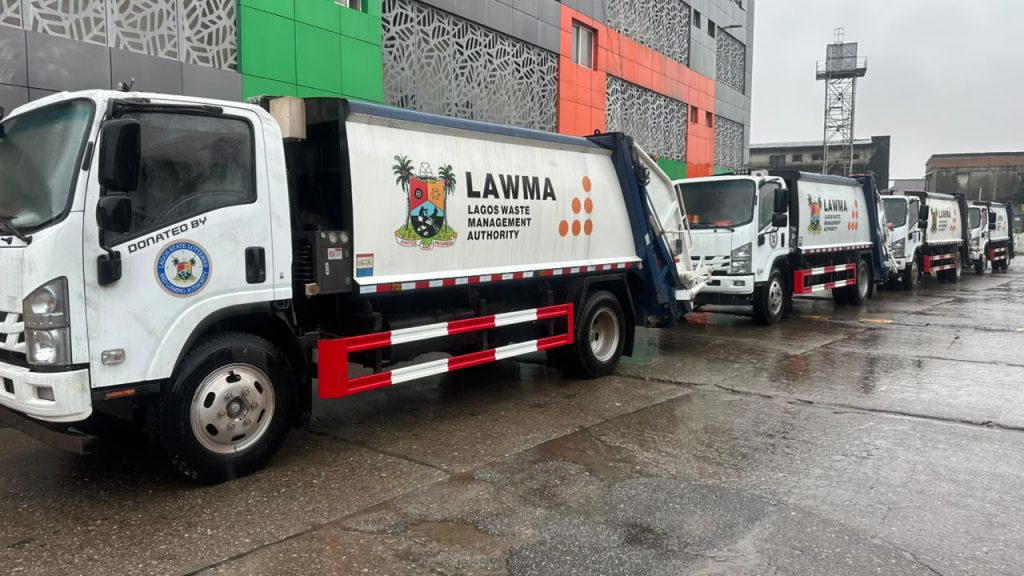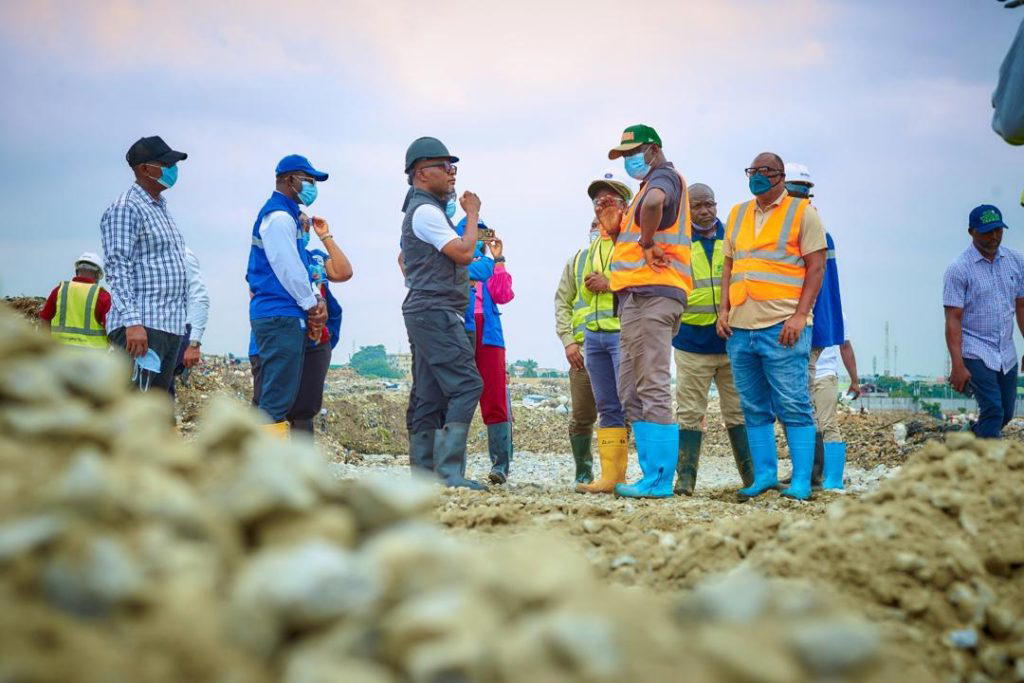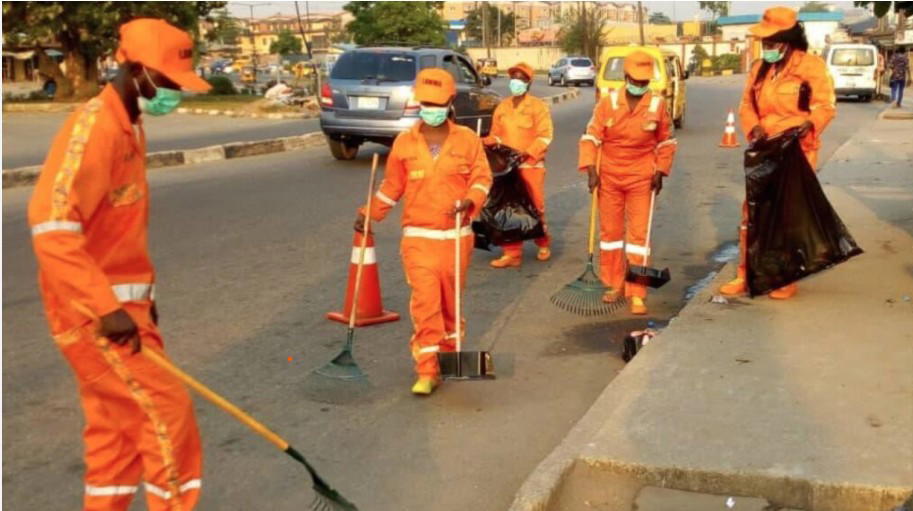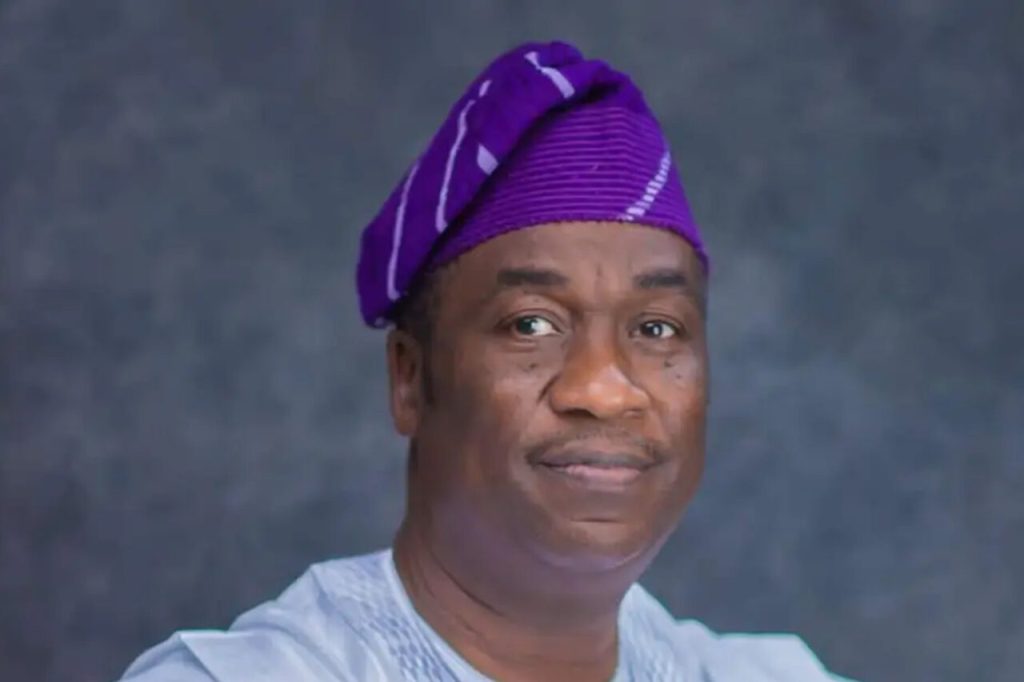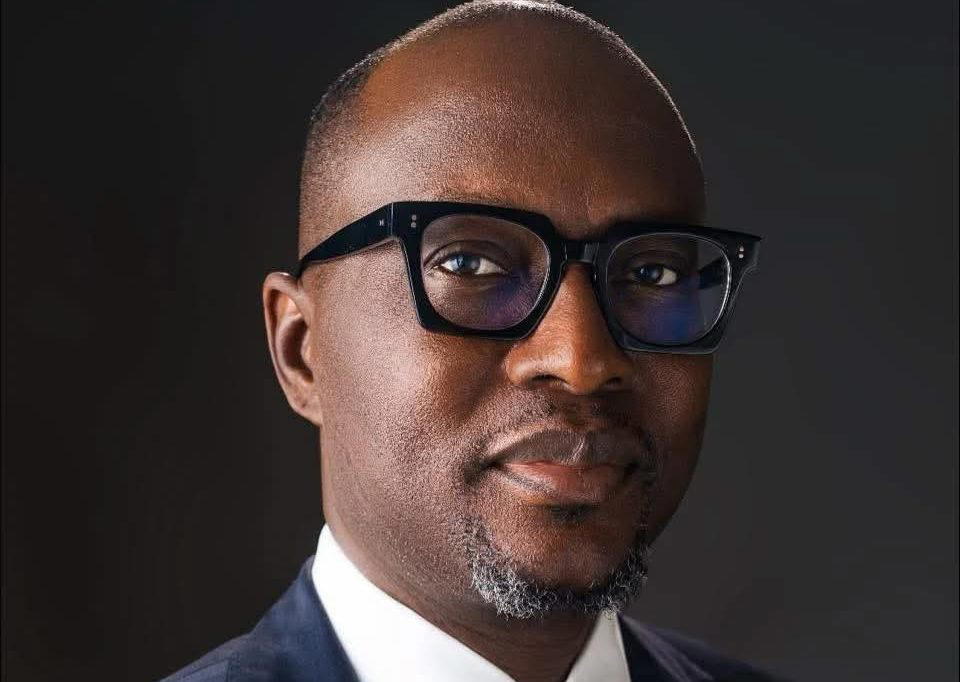
•Says Alimosho, Amuwo-Odofin, Ojo, Ikorodu worst hit •‘10,000 people living on Badagry road median, setback alone, messing up the environment’ By Olasunkanmi Akoni Amid the current waste crisis across Lagos metropolis with the attendant health risks, Dr. Muyiwa Gbadegesin, the Managing Director/Chief Executive Officer, Lagos Waste Management Authority, LAWMA, in this exclusive interview, speaks on refuse heaps, infrastructure gaps, new waste management system, enforcement and the way forward for Lagos among others. Lagos has been facing infrastructure deficit in waste management in recent times. What are the challenges and interventions being deployed?Lagos is a rapidly growing megacity of about 22 million people. We generate between 13,000 to 15,000 tons of waste daily. To manage that, you need significant investment across the entire value chain of waste management which starts with containerization of waste, which, of course, is the trash bins or waste bins, which are used to keep waste in each household or business before collection. Once you containerize the waste, that waste has to be collected regularly, and for that you need trucks, and in Lagos, we use compactor trucks to do house-to-house collection. We are expecting by the end of this year Transfer Loading Stations, TLS, should be completed. Then, the MRFs, sometime in the first quarter of next year. At that point, we can close down Olusosun. One is already closed. ln the area of treatment and disposal, we have a long-term project, five-year project to build a biogas plant. That is a partnership between LAWMA and Lagos Metropolitan Area Transport Authority, LAMATA. We completed the feasibility study about a year ago, funded by the government of Sweden. And, I’m sure you’re aware that Sweden has achieved a very high level of circularity. We have been partnering with their government to replicate some of the achievements. Since 1942, the city of Stockholm has been treating their organic waste, both solid and liquid, and using that to produce biogas, which they pipe to homes for cooking, and heating the houses. They also use it for their public transport fleet. They have a network of filling stations where the buses can fill up with biomethane. Biogas We have started doing that in Lagos with the energy transition. LAMATA is bringing in about 2,000 CNG-powered buses. The plan is that those buses will after we have constructed the biogas plant, be powered by biomethane produced from our organic waste, which is 50 per cent of the waste that we generate daily.In addition, we are also installing, biodigesters at the markets which generate high volume of organic waste. We’ve already started with the Ikosi Fruit Market, that’s a pilot project we launched in February. We want to place similar small-scale biodigesters at other markets like Alamutu, Mile 12, and Afolabi Ege. These are some of the markets that you see in the media with mountains of waste. Like Alamutu, you see huge piles of rotting plantain or plantain stalk. This is a high-quality raw material for production of biofertilizer. There is no point going to bury it in the landfill. We want to place those in all these markets so that they will have treatment of waste. Smart bins We have also made some investment in the area of containerization. The state government has about 80,000 smart bins, which are not free. The adoption rate has been somewhat slow. What we’re looking at right now is a situation where we can distribute it free to households, and then we’ll be adding a small amount to the bill every month so that you pay it off. We want to roll that out by the end of the year as well. By the end of this year, we are expecting 150 new compactor trucks. Each of the 57 local governments and Local Council Development Areas, LCDAs, have ordered two, and the state government is ordering 36, making 150. This will form part of a new unified waste management fleet that we will jointly manage with the local governments. By next year, we’re hoping to do a lot more in terms of new trucks. Our target is to have 2,000 trucks. To support that new system, we are going to do a lot of reform of the PSP programme. I’m not prepared to go into too much detail about that now. PSPs operation When next we discuss, I should be able to shed more light on that. There are already internal planning going on among the state government, Ministry of Environment, the House of Assembly, and the Association of Waste Managers to see how we can redesign the PSP system so that it can be more efficient, effective and responsive to the needs of Lagosians who are, after all, paying for that service.LAWMA is aware that there are a lot of complaints about delayed collection and a lot of dissatisfaction with the waste collection services. We plead with Lagosians for understanding, and also I’d like to take this opportunity also to let Lagosians know that you can reach out to us d
Don't miss out on breaking stories and in-depth articles.