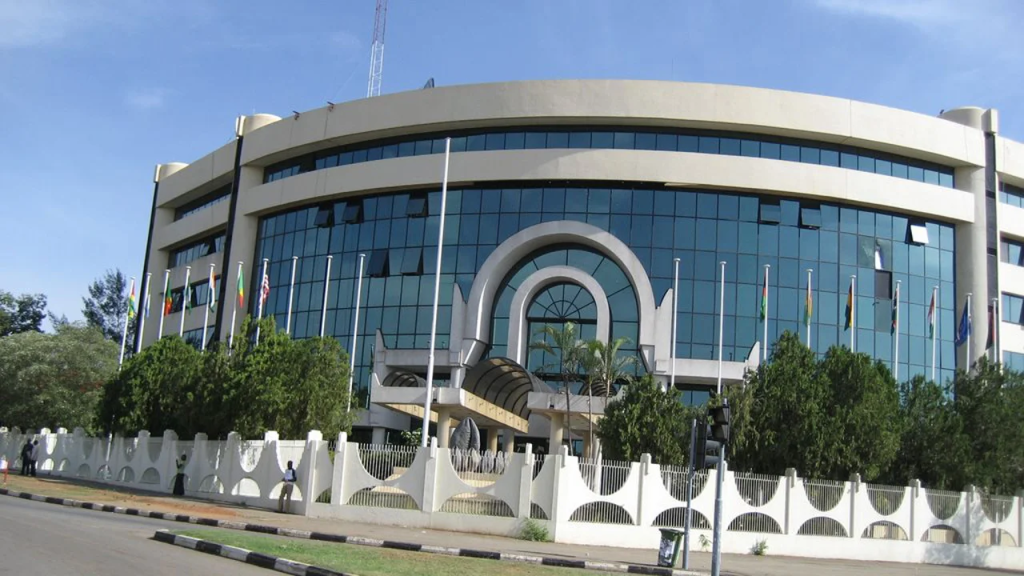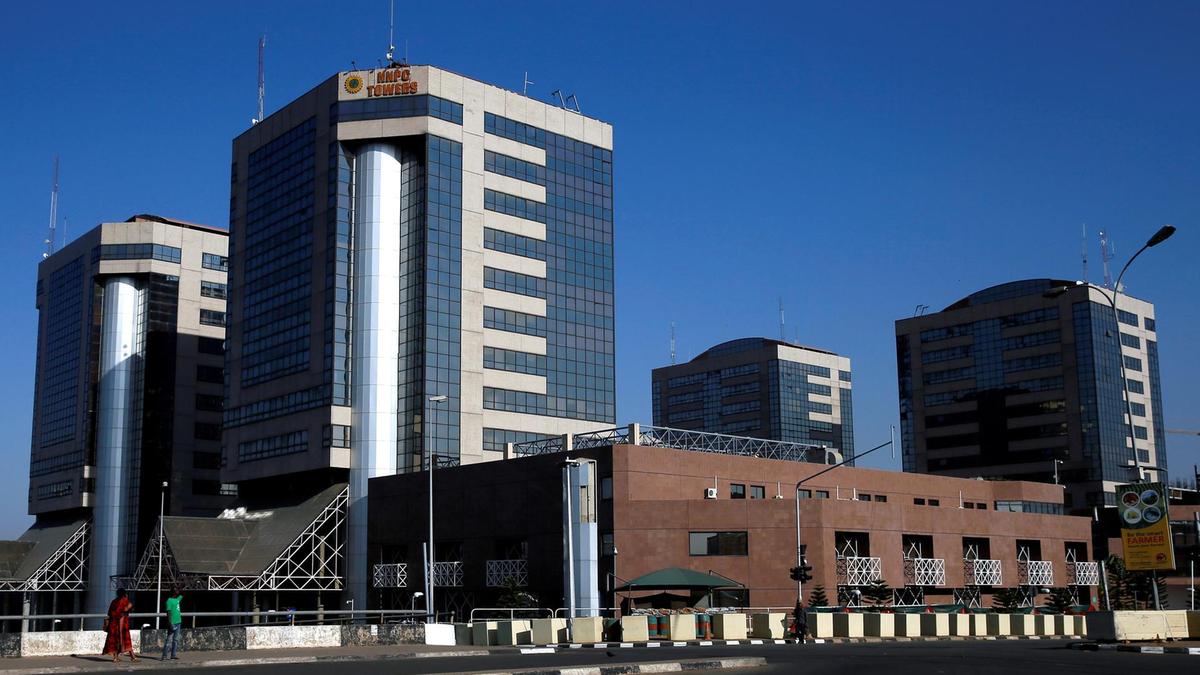
The much-touted multi-billion-dollar Nigeria-Morocco Gas Pipeline is yet to take off owing to the alleged ‘lukewarm’ attitude of Nigerian authorities, Daily Trust learnt from credible sources. The project is expected to cost more than $25 billion (nearly N34 trillion). Even before the proper commencement of the project, the name has been changed to African-Atlantic Gas Pipeline (AAGP), with experts saying the initiative would most likely be bogged down by bureaucratic roadblocks. Recall that last month, the Economic Community of West African States (ECOWAS) endorsed the AAGP, which replaced the initial Nigeria-Morocco Gas Pipeline, after member states signed the Intergovernmental Agreement (IGA), advancing the execution of the cross-border gas infrastructure. The latest agreement was signed during the 69th Ordinary Session of the Authority of Heads of State and Government of ECOWAS in Lungi, Sierra Leone, held on July 19, 2026. Nigeria’s delegation was led by Vice President Kashim Shettima, who represented President Bola Tinubu. The Minister of State for Petroleum Resources (Gas), Ekperikpe Ekpo, described the signing as a significant milestone for regional energy cooperation. But this only came 10 years after a series of diplomatic brainstormings between Nigeria and Morocco on how to lead the project through bilateral means. Sources said it would have been much easier for Nigeria and Morocco to lay a solid foundation for the project and thereafter seek the buy-in of other African countries. They said while the recent endorsement of the project by ECOWAS could carry weight “on face value”, it will nonetheless complicate the matter, considering the various interests around the project and about who gets what at the end of the day. “I am not forecasting a doomsday, but the truth is that a lot of things endorsed by ECOWAS as a body in the past have not worked for decades,” an energy expert from Adamawa State, who had worked in the industry for long before he retired, said. “A very simple example is the single currency policy (ECO) for the region, which has not seen the light of day. “Nigeria and Morocco ought to lead the project and seek the support of other countries in terms of access to the right of way when it comes to laying the pipes. “The Moroccan King is a highly committed person, especially in respect to this project, and he believes it is for the mutual benefit of Nigeria and his country,” he said. Recall that in December 2016, King Mohammed VI made a working visit to Nigeria and held talks with then-President Muhammadu Buhari at the Presidential Villa in Abuja. Buhari subsequently travelled to Morocco in 2018 at the invitation of the king. The two leaders held a bilateral meeting in Rabat and witnessed the signing of several agreements, including the Nigeria-Morocco gas pipeline and other economic cooperation agreements. In January 2024, Morocco’s monarch equally extended an invitation to President Tinubu after having a telephone conversation with the Nigerian leader. A statement from the royal palace said the two leaders discussed the development of bilateral relations over the past few years. But, till date, President Tinubu has not visited Morocco to fast-track the process, and for over a week, efforts by our correspondents to get a tangible response from the Presidency have not yielded results. Calls, texts and WhatsApp messages sent to two spokesmen of the president, Bayo Onanuga and Daniel Bwala, have not been responded to up till press time. But officials of the Nigerian National Petroleum Company Limited (NNPCL) said the project is still being worked on and Nigeria is fully committed to it. However, some sources informed Daily Trust that “self-serving” government officials in Nigeria were frustrating the process. “The whole thing is moving at a snail’s pace because rather than looking at the bigger picture for the benefit of Nigeria, some people around President Tinubu are looking at what will get to their pockets,” one of the sources said. “This is why even the proposed visit to Morocco by President Tinubu remains in the pipeline,” the source added. Available records show that the project is estimated to cost between $25 billion and $27 billion. The Nigerian National Petroleum Corporation, NNPC Documents reviewed by our reporters showed that rather than relying purely on national treasury budgets, the funding framework relies on four primary sources. One is the Public-Private Partnership (PPP), which relies on attracting institutional investors, global energy firms and commercial banks to fund the bulk of capital expenditure, as well as the Project Company Execution. The project is structured under an independent commercial company—the AAGP Project Company, based in Casablanca—which will issue debt and equity instruments to international private capital markets. The second is the sponsoring of state and national oil companies’ (NOCs) equity contributions. Initial
Don't miss out on breaking stories and in-depth articles.