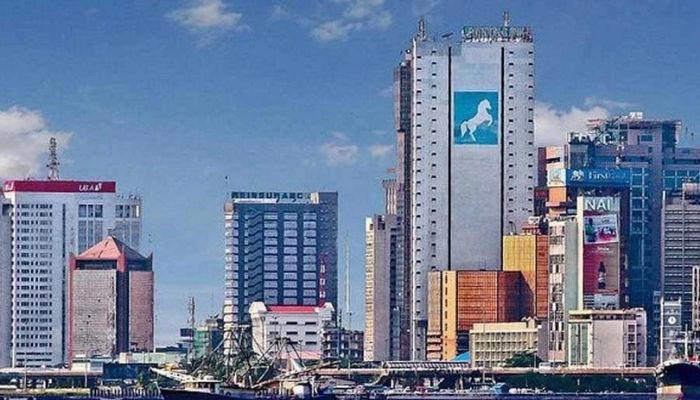
Perhaps there is some truth in the statement that “when an old man dies, you lose a library”. At 82+ and 39 years writing on this page, I have been a media witness to four major banking upheavals – each occurring shortly after recapitalization was imposed by the Central Bank of Nigeria, CBN. Almost invariably, each episode has brought about the decline of at least two of the leading banks prior to the CBN measure. After reading the VANGUARD story by Peter Egwuatu, I had a difficult time deciding on the title of this article. It was a toss-up between FUNNY MONEY 2 and BANKING: HERE WE GO AGAIN. 2008 REPEATED. Any of them would have been apt. But, my internship with an advertising agency in 1969, off Madison Avenue, New York, had drilled into my head an abiding truth: “Better to tell it straight”, when you have bad news for people. If you have investments in banking, this is as straight a warning as you are likely to get. WARNING: you ignore this public notice at your peril “Advice is seldom welcome; and those who want it most always want it the least.” Earl of Chesterfield, 1694-1773. Two previous experiences with the Nigerian Banking sector should help in gaining the attention of stakeholders in the sector. In 1996, Alpha Merchant Bank, headed by Jimi Lawal was the darling of investors. Close on its heels was Commerce Bank, led by two former Presidents of the Chartered Institute of Bankers of Nigeria, CIBN. Seventeen other banks were also declaring highly impressive results and paying unprecedented dividends. Investors pushed the banks’ share prices beyond reasonable limits. Operating under the principle that “what is too good is probably not good”, I undertook in-depth analysis of four of the banks and discovered massive deceptions based on what was then called “creative accounting” – which was regularly condoned by the biggest auditors. I then published the article titled FUNNY MONEY; alleging widespread fraudulent reports by banks; and ended by listing 19 banks – including Alpha and Commerce – which I believed were distressed. Only the Corporate Affairs Manager of Alpha wrote a rejoinder; wondering how a non-banker could determine the status of banks. Less than six months after FUNNY MONEY was published, the Failed Banks Decree was promulgated. Seventeen of the 19 banks I had earlier listed were closed. Jimi Lawal absconded, taking millions of peoples’ life savings with him. More on Jimi later. Commerce Bank also went down; its Chairman and Vice-Chairman did not escape the long detention of several bankers. Professor Soludo, ex-Governor of CBN was still taking credit for the banking consolidation which he introduced; and which reduced the number of Nigerian banks from 73 in 2005 to 25 in 2006; when the roof caved in. Soludo announced that 25 banks have been approved into which “people can place their funds and go to sleep with their two eyes closed”. Most people were convinced; some of us were not. I was skeptical. This was another “too good to be true proposal”. For two years and eight months, the Governor and the banks deceived investors that all was well. Huge profits and dividends were declared; share prices jumped after them. The bubble burst came in 2008. CBN was forced to attempt to bail out the banks. Even Soludo was no longer sleeping. Like a magician, who had lost his bag of tricks, he ran out of ideas – except one. That was to use public money to bail out those who robbed and mismanaged funds kept in their care. In 2009, a new CBN Governor, Alhaji Sanusi Lamido, took over and promptly broke the bad news. Virtually all the banks operating were insolvent. The present danger “Only six of Nigeria’s biggest listed banks rewarded shareholders with a combined N1.27 trillion dividend for the 2025 financial year, while five other profitable lenders were barred from making payouts after failing to meet Central Bank of Nigeria’s prudential requirements” – Peter Egwuatu That is always the first sign of potential big trouble in the banking sector. Banking infractions are like bed bugs – by the time one is finally detected, the entire bed and pillows are full of them. Once bankers get away with one atrocity, undetected, they repeat them until the regulators become aware of the “imprudence”. We might be heading for one of those situations; which inevitably occur when recapitalisation is concluded. Egwuatu wisely provided only the names of the five banks which succeeded in meeting the CBN requirements. According to him, “Financial Vanguard findings showed that GTCO, Zenith Bank, Stanbic IBTC, EcobankTransnational Incorporated, Wema Bank and FCMB passed the apex banks eligibility test and declared payouts.” For any right thinking person, Peter has provided most of the information you need as a shareholder and depositor to reconsider your banking options. Hint: which banks are missing? Without naming, I have qui
Don't miss out on breaking stories and in-depth articles.