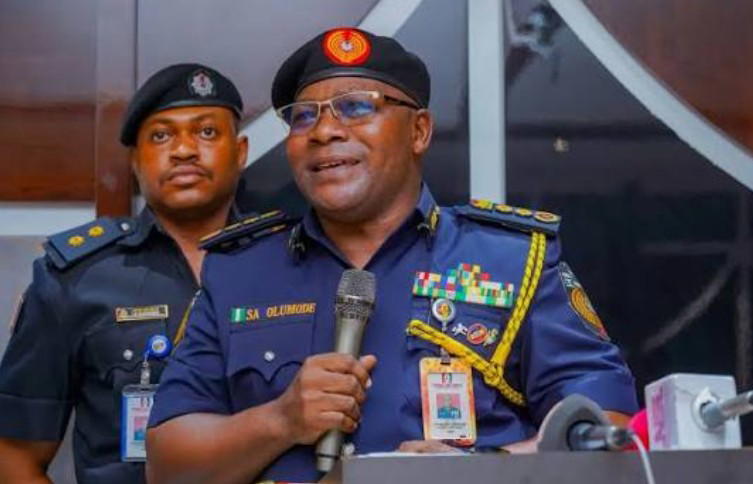
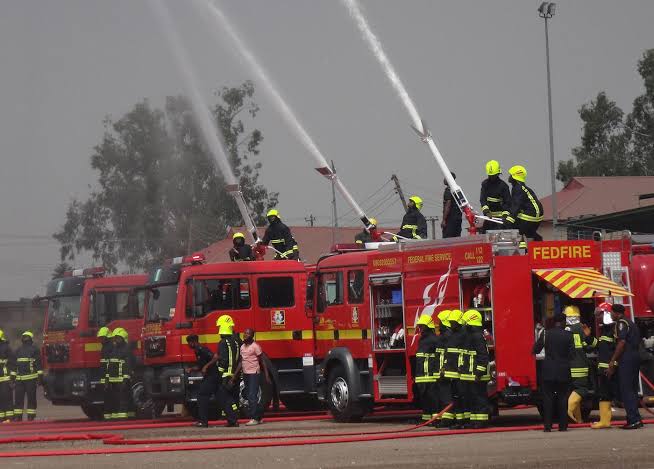
Adeyemi Olumode, Controller-General of the Federal Fire Service (FFS), has called on wealthy Nigerians, philanthropists, business leaders and corporate organisations to invest in the establishment of fire stations across the country, saying firefighting and emergency response should be regarded as a collective responsibility. He made the call in Abuja at a One-Day National Stakeholders’ Summit on Fire Safety, held under the theme, “Building a Resilient Fire Service for the 21st Century.” Olumode said the country needed a greater number of strategically located fire stations to bring emergency response closer to communities, reduce response time and minimise the loss of lives and property during fire outbreaks. According to him, the government alone cannot provide all the infrastructure required to effectively respond to fire emergencies across Nigeria, making private-sector and community investment critical to strengthening the national fire safety architecture. He cited the Offa Descendant Association Fire Station, Oyo Town Fire Station, Idanre Fire Station, Bonny Island Fire Station and Kugbo Fire Station as examples of successful interventions by individuals, communities and organisations. The Controller-General said such initiatives should not be viewed merely as acts of philanthropy, but as direct investments in the protection of lives, businesses, communities and property. “We need a multiplicity of strategically located fire stations to bring emergency response closer to our people and reduce response time,” he said. He disclosed that the National Fire Academy is undergoing upgrades, expressing confidence that the institution would become the best firefighter training academy in Africa when reopened. The summit also featured the induction of 37 Public Relations Officers (PROs) drawn from the 36 states and the Federal Capital Territory into the Nigerian Institute of Public Relations (NIPR). Olumode described the exercise as historic, noting that it was the first time officers responsible for public communication across the Service’s state commands had been brought together under a coordinated and structured professional training and certification programme. He said the initiative was designed to improve the way the FFS communicates with the public, particularly during emergencies when timely and accurate information could save lives. Olumode stressed that fire incidents should not be regarded solely as operational emergencies, arguing that effective communication was equally important to emergency management.
Don't miss out on breaking stories and in-depth articles.