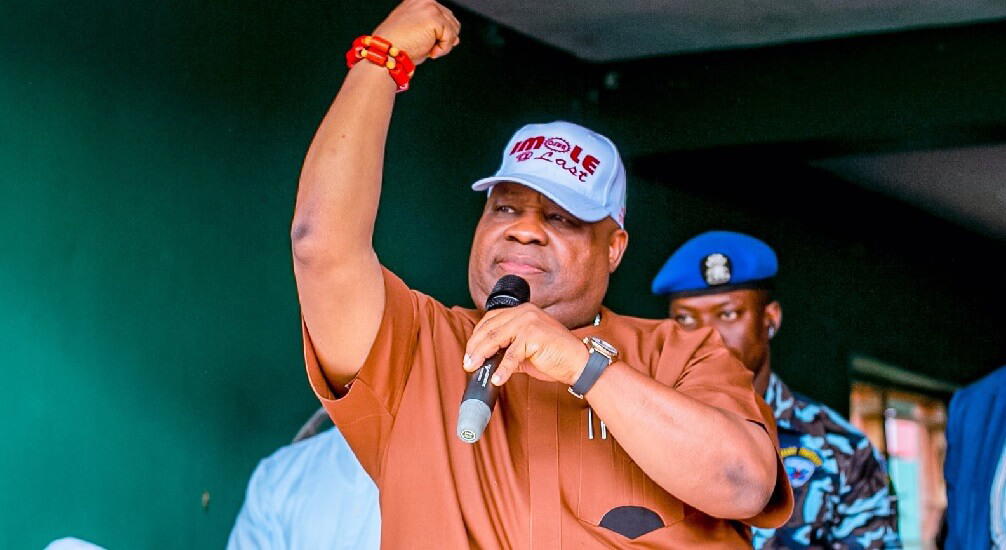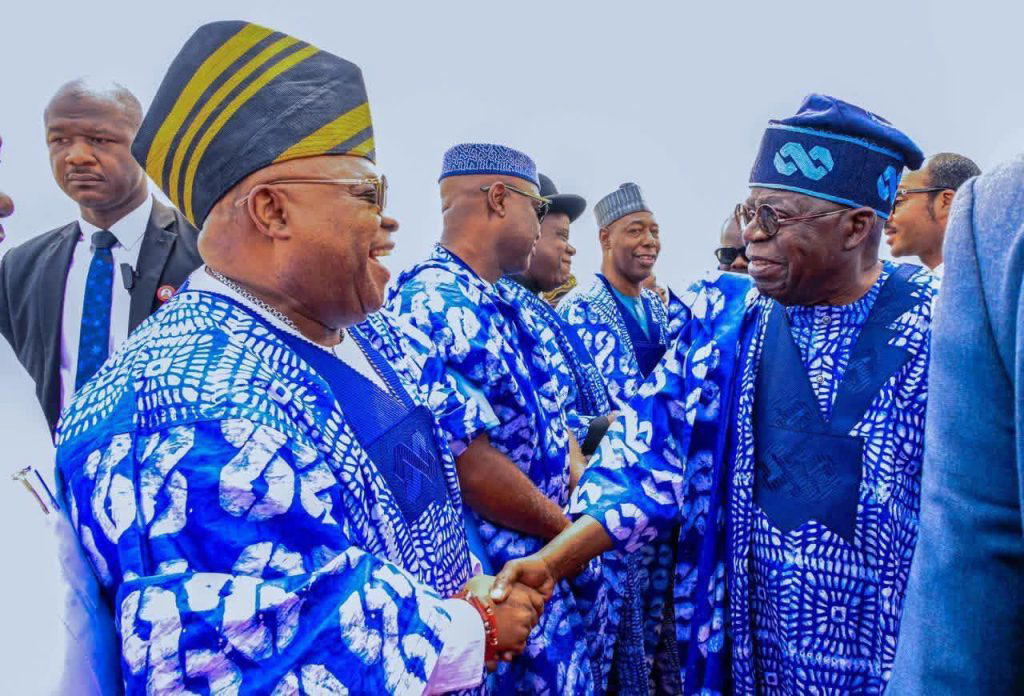
There are elections that produce winners, and there are elections that produce messages. The Osun State governorship election of August 15, 2026, belongs to the second category. When the Independent National Electoral Commission finally declared Governor Ademola Adeleke of the Accord Party the winner, with 511,067 votes against the All Progressives Congress candidate, Bola Oyebamiji, who polled 444,815 votes, the immediate headline was that Adeleke had secured a second term. But beneath those figures lies a much larger story about Nigerian democracy, the changing psychology of the electorate and the difficult road ahead for political parties preparing for 2027. Adeleke won by 66,252 votes and carried 19 of Osun State’s 30 local government areas. The real lesson of Osun, therefore, is not simply that Adeleke won. It is that the people still possess the final arithmetic of democracy. Political parties can hold meetings in Abuja. Politicians can assemble enormous structures. Strategists can produce impressive presentations. Political godfathers can make predictions. Money can change hands and endorsements can dominate the news cycle. But when the ballot box opens, all those calculations eventually confront one unavoidable force: the voter. And the Osun voter has spoken. For a country preparing for another consequential political season in 2027, that voice deserves to be heard carefully. Adeleke’s victory is particularly significant because it was not achieved in a political vacuum. He was challenged by the APC in a contest that attracted 15 candidates, while more than 1.9 million voters were eligible to participate from the state’s 2.39 million registered voters. That makes the result more than a routine incumbent’s victory. It is an indication that incumbency alone does not guarantee victory, just as opposition alone does not guarantee defeat. Between the two lies the most important factor in any democracy: the perception of the people. What did the people see? What did they believe? What did they reward? And what did they reject? These are the questions political leaders across Nigeria should be asking. The first lesson is simple but profound: the electorate is not as predictable as politicians often imagine. For too long, Nigerian politics has sometimes been treated as an elite chess game in which voters are expected to follow the instructions of political leaders. But the Nigerian voter is increasingly demonstrating an independent mind. People may belong to political parties, but their votes are not permanently owned by those parties. They may respect political leaders, but respect does not always translate into obedience at the polling booth. They may listen to campaign rhetoric, but increasingly, they also look at their own experiences. A road in their community. A hospital that works—or does not work. A school their children attend. The cost of food. Employment opportunities. Security. Water. Electricity. The dignity with which government treats ordinary citizens. These things eventually become political issues, whether politicians acknowledge them or not. That is why the politics of 2027 cannot simply be the politics of party structures. It must be the politics of performance, credibility and connection with the people. Adeleke’s second-term victory should therefore be studied beyond the dancing, the celebration and the congratulatory messages. There is a serious political science lesson here. The governor has been given another mandate. That mandate is not merely an award; it is also a responsibility. The voters have effectively told him: We have seen enough to give you another opportunity. Now do more. This is where victory becomes more difficult than campaigning. Winning an election is an achievement. Governing successfully after winning is the real test. The electorate has given Adeleke another four years. Those four years must now justify the confidence expressed at the ballot box. The same principle applies to every Nigerian political leader. The ballot is not a certificate of permanent approval. It is a temporary contract of trust. And this brings us to perhaps the most important message from Osun for Nigeria’s political class. Stop underestimating the people. The Nigerian voter may be economically challenged, politically frustrated and sometimes disappointed by government, but that voter remains capable of making choices that surprise political establishments. The Osun result should therefore serve as a warning against political arrogance. No party should assume that because it controls the federal government, it automatically controls every state. No governor should assume that incumbency automatically guarantees re-election. No opposition party should assume that dissatisfaction with the government automatically translates into votes for it. And no politician should confuse social-media noise with grassroots support. The ballot box remains the great equaliser.
Don't miss out on breaking stories and in-depth articles.