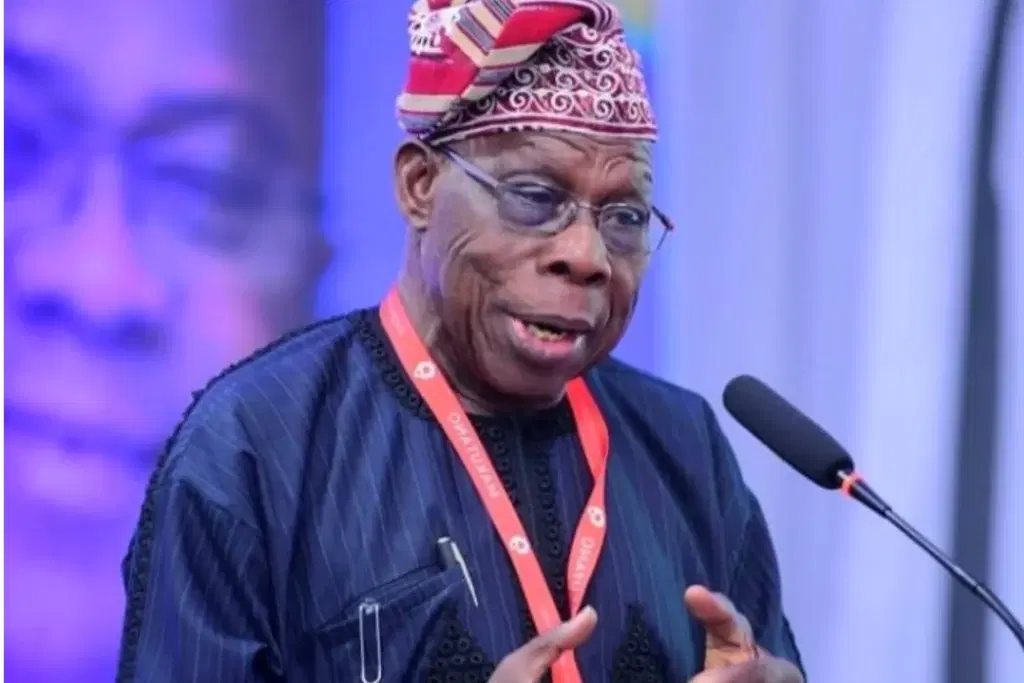
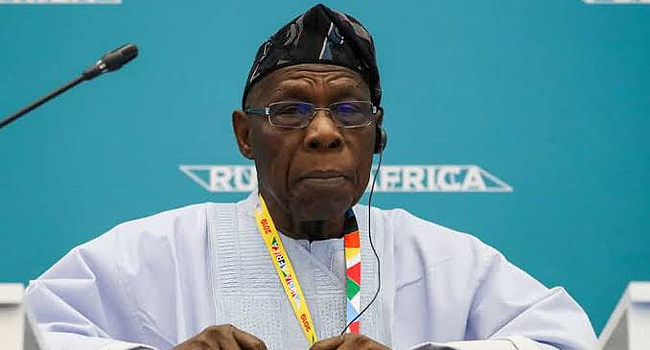
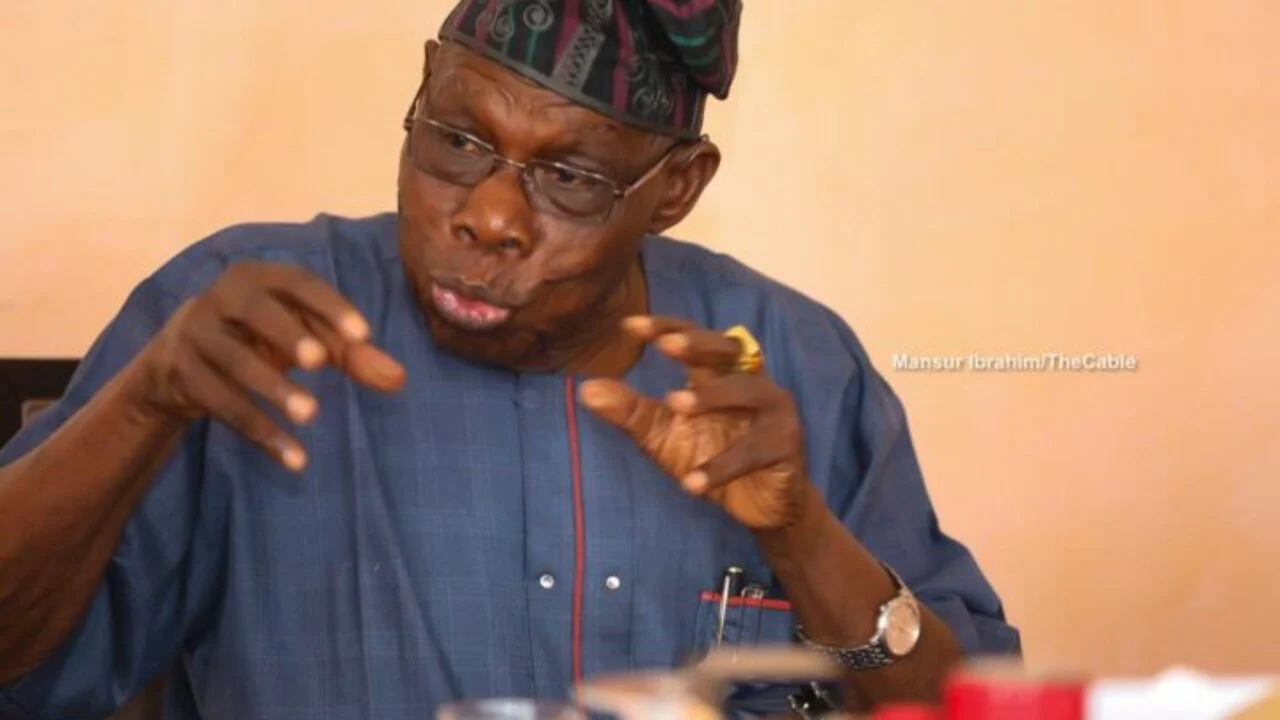
The relationship between former President Olusegun Obasanjo and ex-Ogun State Governor, Olusegun Osoba remains one of the most consequential variables in the Gateway State’s political equation. Will their political preferences converge or diverge? Jonathan Eze asks. In the history of Nigerian politics, few rivalries have been as enduring, complex and consequential as that between former President Olusegun Obasanjo and former Ogun State Governor Olusegun Osoba. Unlike political feuds driven by personal insults or ideological extremism, the Obasanjo-Osoba rivalry has always been rooted in competing visions of political leadership, influence, and power within Ogun State and the wider Yoruba political establishment. It is a rivalry that has survived military rule, the return of democracy, shifting party loyalties, and changing national political alignments. Even today, decades after both men occupied the highest offices available to them, the echoes of their political contest continue to shape Ogun politics. Two Different Political Schools Although both men are proud Egba sons from Ogun State, their political upbringing could hardly have been more different. Obasanjo emerged from the military establishment. His political authority has always rested on executive power, national stature and his reputation as a strategic political operator. Whether as military Head of State (1976–1979) or civilian President (1999–2007), Obasanjo projected himself as a national leader who often placed national considerations above regional political sentiments. Osoba, by contrast, built his influence through journalism before entering politics. Having risen to become one of Nigeria’s most respected investigative journalists, he entered partisan politics through the progressive tradition of Chief Obafemi Awolowo. His political identity became closely associated with the Alliance for Democracy (AD), Afenifere and the Yoruba progressive movement. This divergence created the first philosophical fault line. Where Obasanjo believed in a strong central authority, Osoba remained committed to regional consensus, party loyalty and progressive federalism. 1999: Allies by Circumstance, Rivals by Design When democracy returned in 1999, both men emerged victorious. Obasanjo became President on the platform of the Peoples Democratic Party. Osoba became Governor of Ogun State under the Alliance for Democracy. At first glance, the emergence of two influential Ogun sons should have strengthened the state’s political relevance. Instead, it produced one of Nigeria’s most fascinating political rivalries. While many expected Obasanjo to protect the political interests of the Southwest despite belonging to another party, he increasingly sought to expand the PDP into territories controlled by the AD. For Osoba and many Afenifere leaders, this was viewed as an attempt to dismantle the political structure inherited from Awolowo. For Obasanjo, however, it represented political integration rather than regional exclusivity. That difference in interpretation has remained unresolved. The 2003 Earthquake No single event defined their rivalry more than the 2003 general election. Ahead of that election, negotiations reportedly took place between Obasanjo and several South West governors over possible political cooperation. Many AD leaders believed there was an understanding that Obasanjo would receive their presidential support while their governorship structures would remain intact. Instead, the election produced one of the biggest political upsets in Nigeria’s democratic history. Five of the six AD governors lost their seats. Only Lagos survived. Osoba was among the casualties. To Osoba and several Afenifere leaders, the outcome amounted to a profound political betrayal. Obasanjo has consistently rejected that interpretation, insisting there was no deception and that electoral outcomes reflected political realities rather than any secret agreement. The disagreement resurfaced publicly in 2026 after Osoba revisited the episode in his memoir and Obasanjo issued a detailed rebuttal, demonstrating that the wounds of 2003 remain politically alive. Politics of Influence Perhaps the greatest difference between both men lies in how they exercise political influence. Obasanjo’s politics revolves around institutions and national coalitions. Even after leaving office, successive presidents, governors and presidential aspirants have sought his endorsement or at least his neutrality. He remains arguably Nigeria’s most influential ex-Head of State. Osoba’s influence is more organisational. He has built political structures, mentored generations of politicians and maintained enormous goodwill with
Don't miss out on breaking stories and in-depth articles.