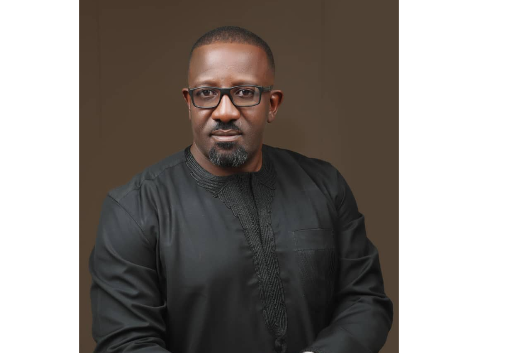
Denge Josef Onoh, former southeast spokesman to President Bola Ahmed Tinubu and Chairman of the Forum of Former Members of Enugu State House of Assembly, has blamed some chieftains of the ruling All Progressives Congress (APC) for the loss of the party in Saturday’s election. Daily Trust reports that incumbent Governor Ademola Adeleke who ran under the platform of Accord Party, secured 511,067 votes to defeat Bola Oyebamiji, candidate of the APC, who polled 444,815 votes. In a statement made available to journalists, Onoh dismissed as political propaganda the allegation that the EFCC and Osun state bank account temporal freezing was to blame for the gubernatorial loss by the APC. Onoh said that blaming an anti-graft agency or pointing fingers at the administrative freezing of state bank accounts days before the election are weak, deflection-filled narratives. “The freezing of Osun bank accounts was not a contributing factor to our loss. Rather the bitter truth is that the APC lost Osun State solely due to the anti-party activities, internal sabotage, and deeply undemocratic conduct of its own party stalwarts. “Worse still, these disgruntled internal actors stubbornly refused to leverage the immense, tangible political and democratic gains recorded nationwide by President [Bola Ahmed Tinubu to convince voters.” Onoh said that failure of APC stalwarts in the state to leverage on President Tinubu’s “tangible gains” was the most tragic failure of the Osun APC leadership as their outright refusal to market the stellar achievements of President Bola Ahmed Tinubu’s administration across Nigeria. Onoh further said that the President has delivered massive democratic dividends, localized infrastructure, economic reforms, and historic autonomy for local governments. “Instead of taking these concrete, sellable milestones to the marketplace of ideas in Osun State to win over undecided voters, party stalwarts chose to remain completely silent. They abandoned the President’s successful scorecard to nurse selfish internal grievances.” “Chronic Internal Sabotage and Factional Warfare was the most devastating blow to the party and was delivered from within.” He stated that high-ranking party stalwarts deliberately factionalized the state chapter, instead of uniting to face the opposition. “Leaders deployed party machinery to fight a war of attrition against the incumbent administration. You cannot go into a major election with a house divided against itself and expect victory.” Onoh also blamed “open anti-party activities and double-dealing” by certain prominent leaders and their loyalists who openly withdrew their support from the party’s candidate in several local government areas. “These APC stalwarts actively funded, campaigned for, or instructed their structures to vote for the opposition party. This open betrayal diluted the party’s voting strength in its traditional strongholds.” “Internal detractors within the party focused on de-marketing the party’s candidate rather than selling the achievements of the APC administration to the electorate. “These internal detractors spent months publicly de-marketing the party’s candidate. They manufactured narratives of incompetence and unpopularity, effectively handing the opposition the propaganda tools needed to turn the electorate against the APC.” Onoh stated that in the buildup to the election, national and regional leaders initiated multiple reconciliation panels to bridge the internal rift, but in a “brazen display of arrogance and undemocratic stubbornness”, these aggrieved stalwarts boycotted meetings, rejected compromises, and refused all peace overtures and chose personal vendetta over party supremacy. Onoh said that on the eve of the election and on election day, key local leaders who were trusted with mobilizing the grassroots intentionally suppressed voter turnout in their zones. “By withholding logistics, refusing to deploy canvassers, and abandoning their polling units, they created artificial vacuums that the opposition easily exploited. “The EFCC does not cast ballots, write election results, or manage political campaigns. Furthermore, President Tinubu demonstrated his absolute commitment to the preservation of democracy by ensuring a level playing field and resisting any urge to weaponize federal might.”
Don't miss out on breaking stories and in-depth articles.