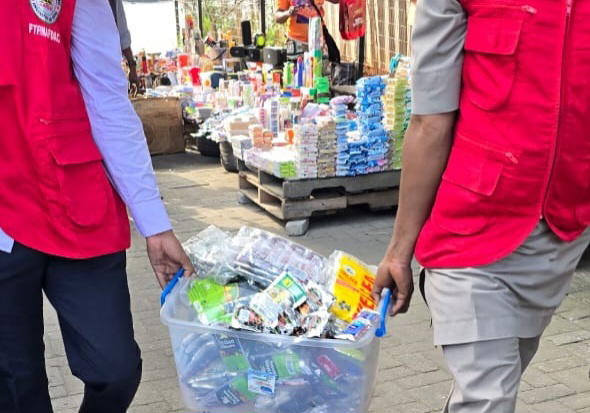
Agrochemicals, including herbicides, insecticides, fungicide, nematicides, have continued to remain important inputs used by farmers to confer protection on crops and also improve production and productivity. Because of their cost-effectiveness compared to manual weeding or hand-picking, many farmers have resorted to using chemicals during production cycles to prevent and control weeds, insects and other pests that attack their farms. Where the use of manual weeding would require many farm workers and resources, use of chemicals may require less, thereby saving production costs for the farmer and consequently adding to his return per investment at the end of the season. Nigeria remains a leading importer of pesticides in Africa, accounting for more than a quarter of the continent’s total pesticides use. From 33,968 tonnes in 2012, pesticide utilisation in Nigeria rose to 57,822 tonnes in 2022, representing about 70% increase. ANALYSIS: How Large Voter Turnout Diluted Vote Buying In Osun Nigeria’s inflation rate drops to 15.43% However, these chemicals are not without their associated risks and effects both on the environment and the persons handling them. Different researches have shown that exposure to some of these chemicals or excessive application could result in acute toxicity, contamination of soil, ground and surface water, in addition to posing serious health threats to humans. In a review on the impact of agrochemicals on human health, published in the International Journal of Environmental & Agriculture Research, Tasha (2025) reported that prolonged exposure to agrochemicals had been linked to severe health-related issues, including cancer, hormonal imbalances, neurological disorders and cardiovascular diseases. A study on pesticide use and disposal behaviour among farmers by Yami (2025) cited that over 200,000 Nigerians die annually due to food poisoning, with different studies also indicating that pesticide residue levels in fresh fruit and vegetables in Nigeria often exceed acceptable standards, a development affecting the country’s export potential. In Nigeria, the National Agency for Food and Drug Administration and Control (NAFDAC) is responsible for, among its other functions, inspection of production facilities and warehouses, development of guidelines and regulations in collaboration with relevant stakeholders, registration of pesticide products, surveillance and monitoring of safe and responsible use of pesticides, port inspection of pesticides, investigation and enforcement to ensure compliance. Amid concerns over health risks associated with some agrochemicals, the agency, between 2022 and 2025, banned the importation and distribution of some pesticides for the safety of handlers and consumers of crops grown with the aid of the chemicals. NAFDAC banned the importation of Paraquat and Atrazine on December 31, 2022 and 2023, respectively, with moratorium for the exhaustion of the available stock of the two chemicals set between January – December 2023 and 2024, respectively, and enforcement action put for January 2024 and 2025, for the two products. It also prohibited the importation and manufacture of 100ml pack size of agricultural formulations of Dichlorvos, alongside others, including Diquat, Chlorpyrifos, Dieldrin, Parathion and Aldrin. Stakeholders raise concern over alleged continued circulation of banned agrochemicals Despite the ban placed on some of the agrochemicals, some stakeholders in the pesticide sector alleged that the products are still in circulation across markets, warning that the situation could weaken regulatory efforts while also exposing farmers and consumers to greater health risks. CropLife Nigeria (CLN), which is an umbrella body of manufacturers, formulators, importers, distributors, farmers and other stakeholders in the pesticide sector, said continued circulation of banned agrochemicals in the country would not only expose users to health risks but also affect the acceptance of Nigerian agricultural produce at the international markets. The CLN, in a recent statement, called on NAFDAC, the National Environmental Standards and Regulations Enforcement Agency (NESREA), the Farm Inputs Support Services (FISS) Department of the Federal Ministry of Agriculture and Food Security, the Nigeria Customs Service, the Nigeria Immigration Service, the Standards Organisation of Nigeria (SON), other law-enforcement agencies, state governments and other relevant stakeholders to strengthen enforcement of regulations on pesticides to ensure compliance and safety of users. The Alliance for Action on Pesticides in Nigeria (AAPN) is a coalition of civil society organisations, farmers’ groups, researchers, academics and other stakeholders working to promote responsible pesticide use and management of pesticides to reduce associated risks and also increase awareness among users. Speaking at the organisation’s 2025 media briefing in Abuja
Don't miss out on breaking stories and in-depth articles.