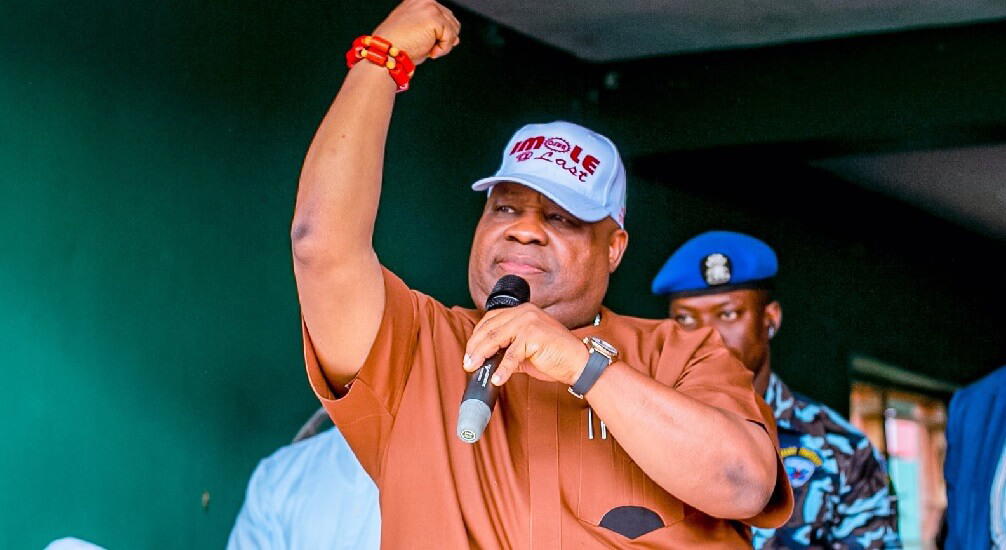
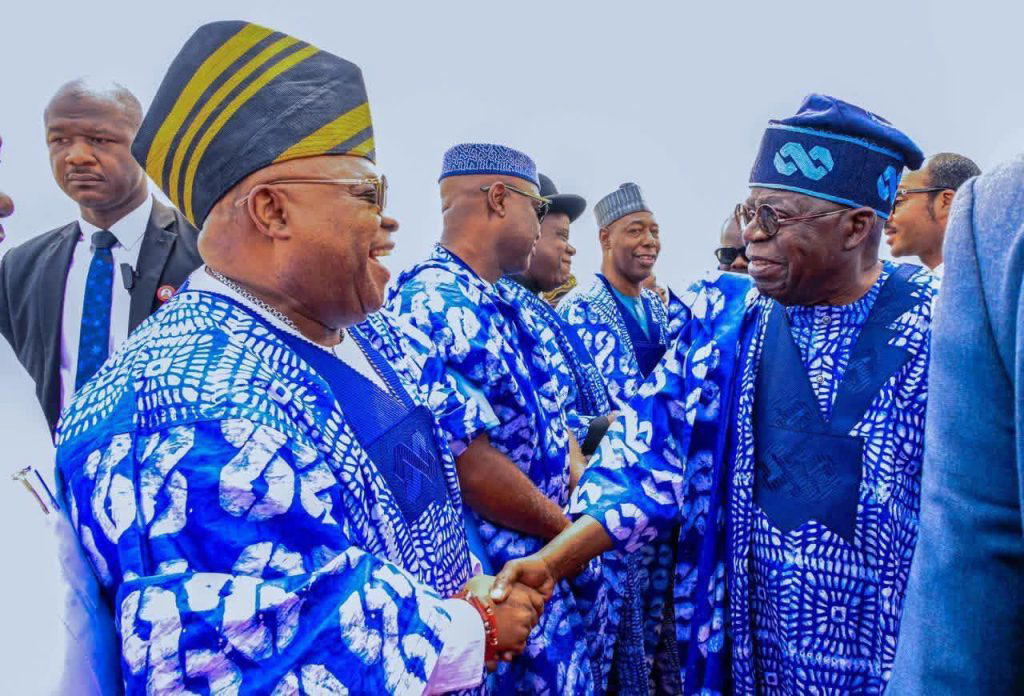
Emmanuel Addeh in Abuja For a state that has acquired a reputation for producing some of Nigeria’s most fiercely contested elections in recent years, the outcome of last Saturday’s Osun governorship election was as emphatic as it was politically revealing. Governor Ademola Adeleke of the Accord Party secured 511,067 votes to defeat the All Progressives Congress (APC) candidate, Bola Oyebamiji, who polled 444,815 votes, giving the incumbent a winning margin of 66,252 votes. Besides, Adeleke won 19 of the state’s 30 local government areas, while Oyebamiji got 11. But beyond the figures, the election produced a fascinating cast of winners and losers. Some won at the ballot box. Others won by surviving a political test. Some lost an election, while others lost something potentially more consequential: influence, relevance, credibility or the aura of political invincibility. For Adeleke, his allies and others who seemed to have played their roles nobly, the dancing continues, but for the losers, especially those who played ignominious roles, it’s probably time to retrace their steps. Winners Bola Tinubu: Unexpected Winner President Bola Tinubu may appear an unlikely name on a list of winners after his party lost a governorship election in a state where the APC deployed considerable political machinery. Yet Tinubu has a strong claim to a place on the winners’ side, not because his party won, but because the election gave him an opportunity to demonstrate that the federal government could allow an opposition incumbent to defeat a ruling party candidate in a governorship election. It was Tinubu who stepped in when the Economic and Financial Crimes Commission (EFCC) shockingly froze the bank accounts of the Osun State government just a few days to the polls. Although a controversial move, the intent was clear: institutions of state must steer clear of politics or any likeness of it. On several occasions, Tinubu publicly called for a peaceful, transparent poll, and after Adeleke’s victory, the President called to congratulate him and described the outcome as reflecting the will of the people. He also commended the electoral umpire and the security agencies for the conduct of the election. That mattered in a country where the credibility of elections is often judged not merely by what happens at polling units but by whether the party in power is willing to accept an unfavourable outcome. Whatever the undertones or the reasons being adduced by political analysts why Tinubu allowed a free and fair process, he may have actually gained something politically valuable from Osun. For a President facing a crucial 2027 election to allow his party to lose the Osun poll gracefully, it signals that there might be hope for a credible ballot next year after all. Ademola Adeleke: Danced His Way to Victory There is no argument about the biggest winner. Adeleke has transformed what began as an unlikely political rise into one of the most remarkable personal electoral stories in contemporary Osun politics. In 2022, he defeated then-incumbent Gboyega Oyetola in a closely fought contest. Four years later, he has done it again, this time against a different APC candidate and with a substantially larger winning margin. His 511,067 votes were not merely enough to secure another four years. They demonstrated the depth of the coalition he had built around his incumbency, his personal appeal and the political structures that eventually moved with him from the Peoples Democratic Party (PDP) to Accord. Besides, the symbolism was also impossible to miss. The politician once derided by opponents and sections of the public for his dancing and flamboyant public persona has now become a two-term governor. The dancing, in the end, has become part of his political brand. Davido: Made Osun Poll Everyone’s Business If Adeleke was the candidate who danced his way to victory, David Adeleke, better known as Davido, ensured that millions of people far beyond Osun were watching. Davido’s involvement went beyond the conventional celebrity endorsement. He repeatedly campaigned for his uncle, used his enormous social media following to push the Adeleke narrative and brought his considerable local and international profile to bear on an election that would ordinarily have remained a state-level political contest. On election day, he was again active online, openly and unabashedly mentioning names he thought were in the state to subvert the will of the people. The singer could not determine how voters marked their ballot papers. But politics is not only about votes. It is also about narrative, visibility and mobilisation. Davido made Osun a global conversation in a way few Nigerian state elections have experienced. He even wr
Don't miss out on breaking stories and in-depth articles.