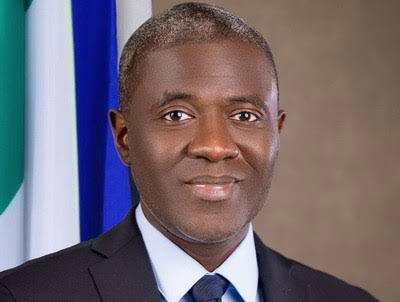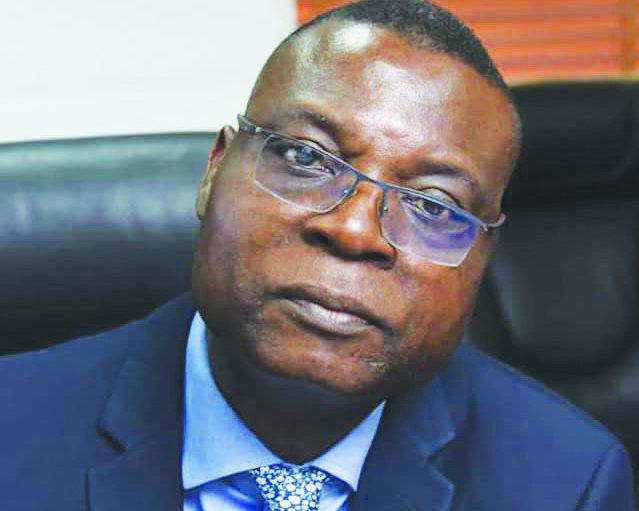
Getting a fibre optic ring around the country has enjoyed robust discourse in recent times. The other day, it was the Nigerian Communications Commission (NCC) calling a gathering to discuss a proposed Dig-Once policy which would ensure that the telcos and infrastructure companies rolling out fibre optic cables would have to take their fibres through one channel — one duct. Shortly after that, it was the information from the Communications, Innovation and Digital Economy Ministry that President Bola Ahmed Tinubu has approved the deployment of 90,000 kilometres of fibre optic cables across the nation. This is quite pleasant to hear, except that the details need to be served. On August 11, there was yet another stakeholders’ workshop on the protection of fibre optic cables during road construction at NCTC Auditorium in the Office of the National Security Adviser (ONSA). Fibre optic cables are a major telecommunications facility which now enjoys the protective status of Critical National Information Infrastructure (CNII). But that is not enough to guarantee their safety or to ensure the enviable role of carrying all kinds of traffic for humanity. Fibre optic cables in the country are permanently imperilled by wilful and sometimes very ignorant actions of wicked people with little value for modernity, or by construction workers in whose minds fibre optics mean very little. Whichever way, fibre optic cables suffer jeopardy and deserve urgent attention to secure them. The scale of destruction, according to Dr Aminu Maida, NCC EVC, is significant. “In the first six months of this year alone, over 5,000 fibre-cut incidents were recorded from road construction, excavation and related civil works. Many occurred because there was little or no coordination before work began, before the first shovel entered the ground,”. Maida told the gathering, peopled by attendees from relevant and strategic sectors of the industry, among other stakeholders. The after-effect is hardly even contemplated except when subscribers feel frustration on the networks. But of course, the operators bear the brunt of accusations. In late February 2024, Maida recalled a painful episode: fibre cuts, including cuts caused by road construction, led to an almost network-wide disruption for one telecommunications operator. Millions could not make calls, send messages or access the internet for several hours. As many moved to other networks, congestion placed those networks under strain. A disruption on one network quickly became a national disruption. That is the story of telecommunications which can no longer be told in isolation. In just two and a half decades the sector has quickly grown to become the foundation, facilitator and accelerator of all strata of life in the country: be it economy, politics, education, finance, or social relationships. Telecommunications have become the real denominator holding up everything. So, a headache on a network quickly becomes a headache to all subscribers on that network and beyond, and everybody and everything suffers. Unfortunately, those involved in perpetrating the havoc hardly understand the impact of their ignorant or wicked actions. “To a machine operator on a construction site, it may appear to be one buried cable. To the nation, it can mean failed calls, stalled payments, interrupted services and missed opportunities,” Maida observed ruefully. This makes the desperation to address the fibre-destruction nightmare very total, going beyond the regulator to include the industry, security, subscribers and other stakeholders to take urgent action in addressing a situation that continues to fester. This writer gathered that stakeholders at the meeting were expected to commit themselves to approving a document with substantial guardrails for operations in the industry, but that did not happen. Titled Framework for the Protection of Telecommunications Optic Infrastructure during Road Construction and Excavation Activities, 2026, the draft document outlines a comprehensive line of actions to be taken before any construction and excavation works can happen and also apportions responsibilities to different levels of officials to be involved in the process. For instance, from the introduction the framework clearly “defines the roles, responsibilities and actions required of all operators within the telecommunications sector before, during and after construction and other excavation activities that may affect laid fibre optic infrastructure. Its objective is to strengthen coordination, prevent avoidable fibre damage and enhance the resilience and continuity of Nigeria’s telecommunications infrastructure.” The details spelt out in the document leave no room for dereliction of responsibilities, but one was also reliably informed that it failed to secure stakeholders’ approval as it was generally agreed that more consultation was needed to put
Don't miss out on breaking stories and in-depth articles.