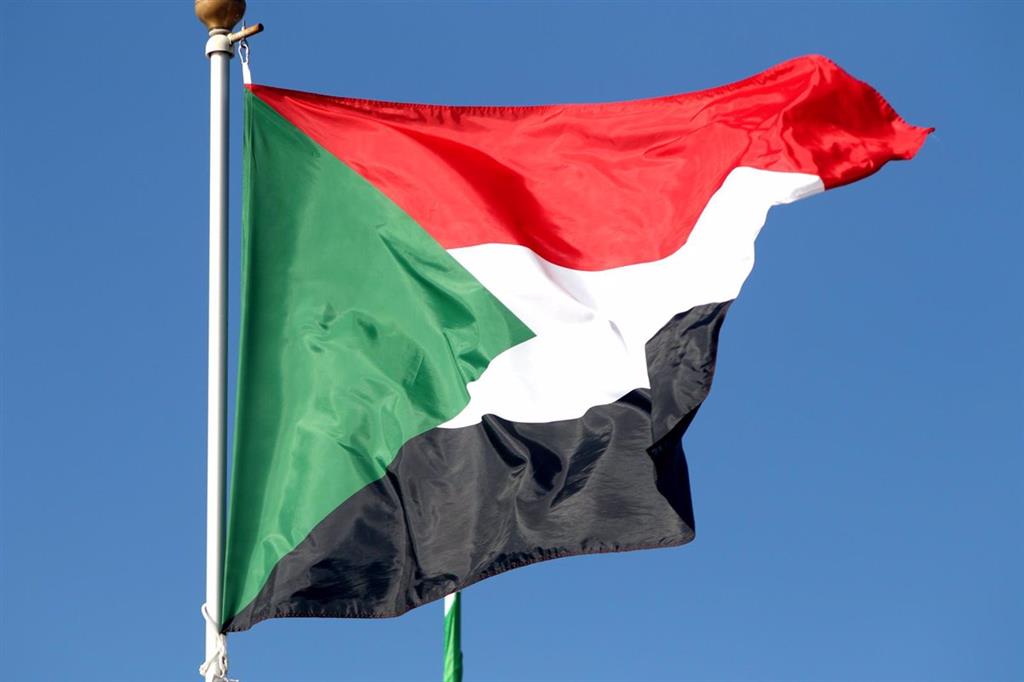
August 19 is World Humanitarian Day, a moment to honour humanitarian workers and stand with people affected by crises around the world. It is also a call to protect civilians, humanitarian personnel, and the communities they serve, especially in conflicts where women and girls often face heightened risks of displacement, violence, loss, and trauma. In Sudan, where conflict has uprooted millions and left families searching for safety, women are not only among those most affected by the conflict but are also among those responding to its impacts. Across displacement camps, host communities, and fragile local networks, women are helping survivors heal, linking them to services, sharing life-saving information, and working to build peace from the ground up. The stories of Majeeda Al Nour and Eshtiyag Ali, both 27-year-old Sudanese women, show the human cost of war, but also the courage and leadership of women who are turning pain into purpose, with support from UN women and its partners. The conflict altered the course of their lives in unimaginable ways. Both women lost the security of the lives they once knew. They were displaced, witnessed immense suffering and transformed their experience of loss and displacement into actions to support others. A life turned upside down Before the war, Eshtiyag Ali lived an ordinary life in Khartoum and expected her future to follow a familiar path. But as fighting engulfed the capital in April 2023, daily life was replaced by fear and uncertainty. For two weeks, she awoke to the sound of gunfire. As violence intensified, her family made the difficult decision to flee in search of safety. The journey separated them at a time when they needed each other most. While Eshtiyag and her brothers headed to White Nile State, her father travelled separately to visit relatives in Al Jazirah State. "We couldn't stay longer, we were scared. I wanted to be a strong heroine, but the conflict turned my world upside down. I lost my father, my normal life, and became a displaced person." The conflict would soon bring another devastating blow. When violence spread to Al Jazirah State, Eshtiyag's father fell seriously ill. During his treatment, the hospital came under attack, disrupting medical services and leaving patients without adequate care. He eventually slipped into a coma. Desperate to reach him, Eshtiyag attempted the journey from White Nile State, only to discover that the area had been placed under siege and travel was impossible. Her father died before she could say goodbye. "I wanted to be with my father before he passed away. Unfortunately, he died before I could say my final goodbyes. I missed him." Finding strength amid displacement Hundreds of kilometers away, another young Sudanese woman was facing her own struggle. Before the conflict reached her village in eastern Al Jazira State, Majeeda Al Nour had completed her university studies and was preparing to pursue a master's degree in art. Her dreams were interrupted when violence forced her family to flee their home in December 2023. Like thousands of Sudanese women, she became internally displaced and spent five months in a camp in River Nile State. The journey to safety was harrowing. "The fear and painful memories are unforgettable," Majeeda says. "I left my home with my family and walked for two nights in search of a safe place to hide. During that journey, I witnessed horrors, including the death of my brother, and endured humiliation. I saw and heard the cries of sick women, girls, and older persons." Arriving at the displacement camp brought physical safety, but not relief from the trauma. Surrounded by hundreds of displaced women and girls, Majeeda encountered countless stories of loss, violence, and hardship. Instead of withdrawing into her own grief, she chose to support others. "As a woman, I experienced the same fear and stress. Therefore, I saw it as my role to stand with and support women and girls." She began organizing informal conversations, creating spaces where women could share their experiences and encourage one another. "We sat together, shared our stories, and, most importantly, encouraged one another to confront our inner fears, grow stronger, and find our voices." From survivors to changemakers In White Nile State, Eshtiyag continued her work as a women's rights activist despite the hardship she had endured. Through UN Women Sudan's Women's Leadership Empowerment Programme, she participated in training on United Nations Security Council Resolution 1325 on Women, Peace and Security. The programme strengthened her understanding of women's critical roles in mediation, negotiation, conflict resolution, and peacebuilding. "The training equipped me with knowledge and tools that will assist me in facilitating mediation and negotiation sessions in my community and becoming a peacebuilder," Eshtiyag explains. Today, she is determined
Don't miss out on breaking stories and in-depth articles.