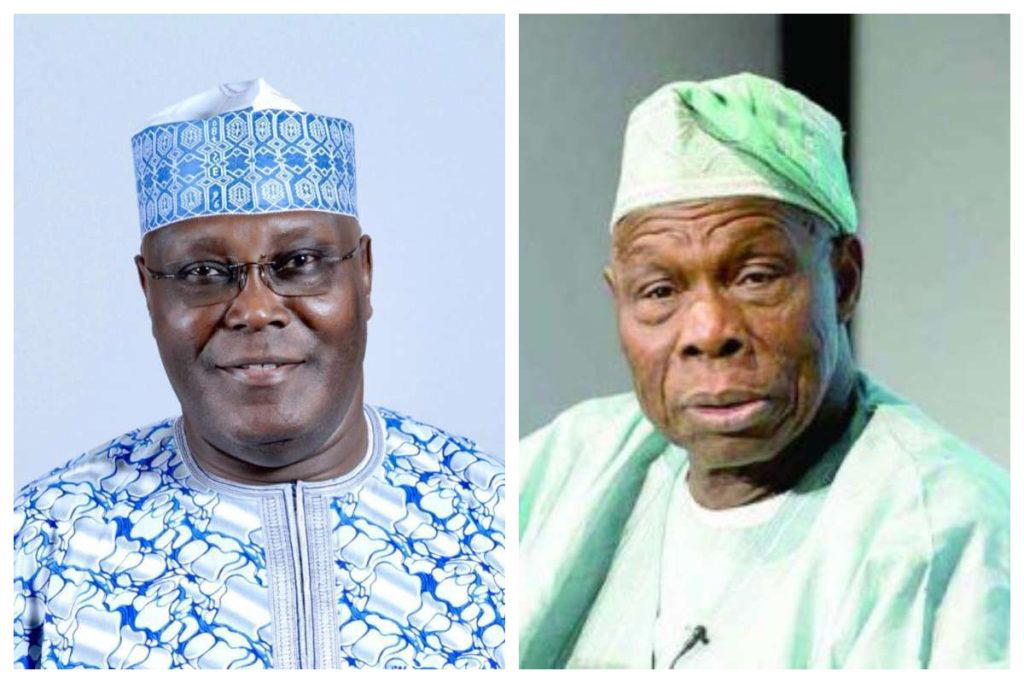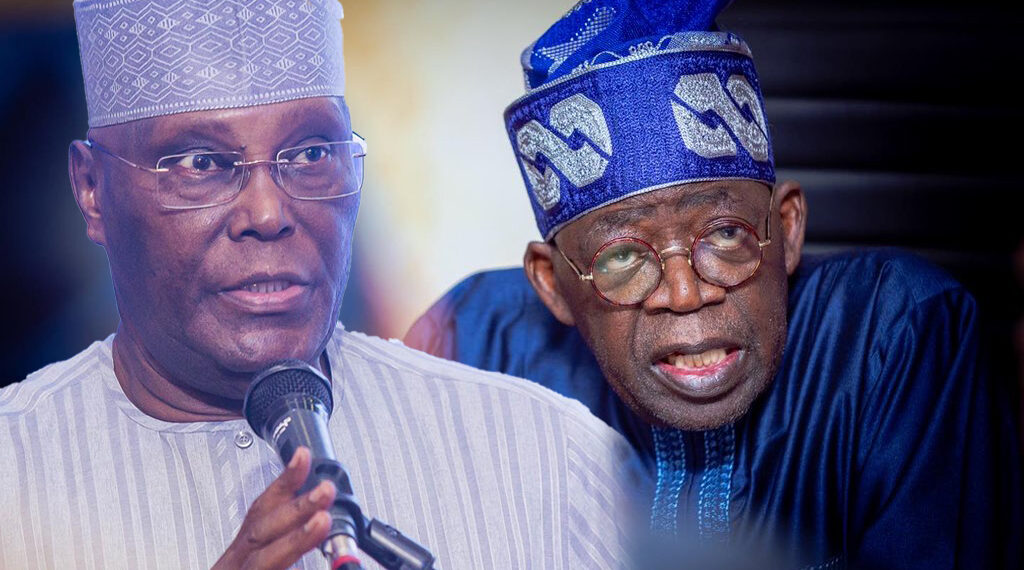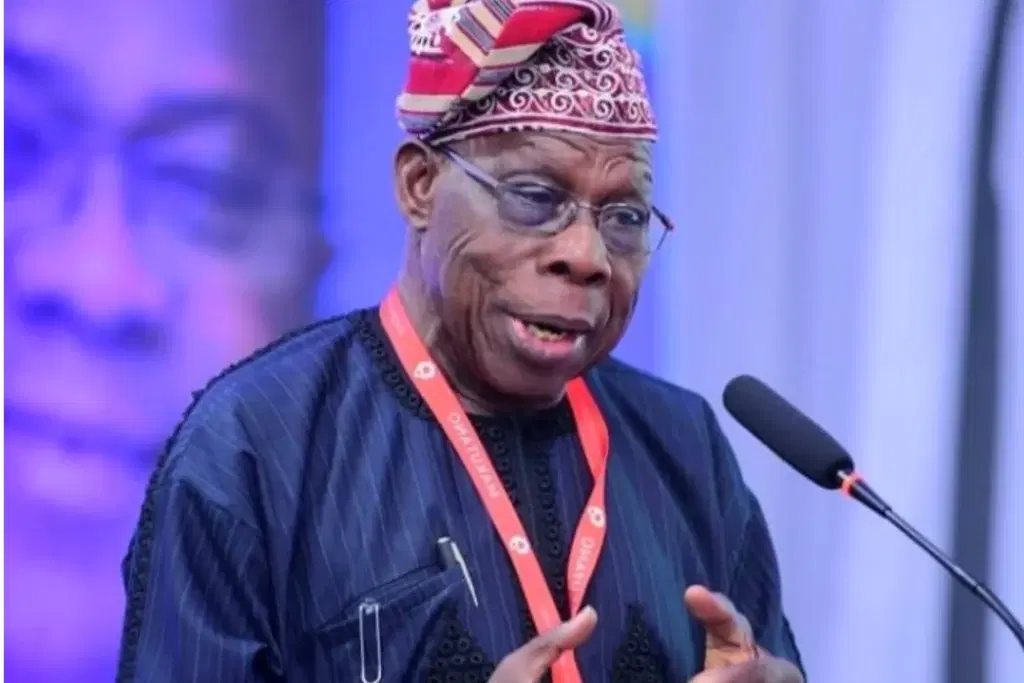
Over the past several years, especially during presidential election seasons, a war of words usually breaks out between former President Olusegun Obasanjo and Atiku Abubakar, his vice-president. Obasanjo always fires the first salvo, presenting Atiku as the devil incarnate. But Atiku never shies away from responding in kind. The self-indulgent, long-running feud is frustratingly irritating because its genesis is clouded by a fog of deception. I take no sides, but, if truth be told, Obasanjo has a greater record of dissembling! To be sure, Obasanjo’s place in Nigerian history is well established and settled, but utterly mixed. As a war commander, he played a critical role during the civil war, and as a military head of state, he kept a promise to hand power to a civilian government in 1979. Decades later, as a civilian president, Obasanjo was an outstanding public administrator who ran a truly effective government by leading some of Nigeria’s best and brightest technocrats to drive through and deliver real change: securing pivotal international debt relief, implementing major economic reforms and creating critical anti-graft agencies, such as the EFCC and the ICPC, although he sowed the seeds of their future failure by politicising them. So Obasanjo deserves credit for his roles in ending the civil war, in returning Nigeria to civil rule and, later as president, in sound economic management and institution building. However, Obasanjo failed woefully in the realms of politics and democratic values, where he’s a terribly bad role model. Since leaving office in 2007, Obasanjo routinely preaches good political and democratic practices. Yet as a civilian president, he ran Nigeria like a dictator, forcing the removals of several senate presidents and state governors, not to mention his party’s national chairmen. The 2003 and 2007 general elections conducted under his administration were so massively rigged that foreign observers branded them an utter sham. Then Obasanjo attempted to change the Constitution to run for a third term and secure personal political longevity. Obasanjo has shown no contrition for these perversities. Rather, when he speaks, he feigns righteous indignation, takes the moral high ground and sounds so didactic everyone is expected to swallow his “oracular” words hook, line and sinker! Well, not the international media. In 2009, the BBC interviewed Obasanjo on “HARDTalk”, its hard-hitting, utterly irreverent programme. Stephen Sackur, the interrogator, grilled Obasanjo the way no Nigerian journalist would ever do. “You have a great capacity for putting a very rosy tint on your record,” Sackur told Obasanjo. The former president rejected the proposition. Sackur hit harder: “Lest we forget, they (Obasanjo’s critics) said, the person who introduced corruption to this National Assembly is Chief Obasanjo.” Again, he pushed back: “They are talking rubbish!” Then Sackur went for the jugular: “Have you forgotten the sack of money that was displayed on the floor of the National Assembly, being used for bribe?” Livid, Obasanjo denied knowledge of the bag, telling Sackur: “You should ask the man who brought it on the table.” But the BBC interrogator didn’t back down: “I am quoting one of your accusers directly,” Sackur said, reading from a note, “‘You are the grandfather of corruption in Nigeria.'” Of course, Obasanjo flatly rejected the allegation. Now, I rehashed the “HARDTalk” interview to show that the combative, no-holds-barred encounter ensued against the backdrop of the febrile political climate created by Obasanjo’s Third Term agenda, which sets the context, or part of the context, for the Obasanjo-Atiku protracted animus. I said “part of the context” because, in truth, the relationship between Obasanjo and Atiku started to go awry in their first term, long before the Third Term issue emerged in 2006 towards the end of their second term. Thus, while Atiku repeatedly blames the public feud on his opposition to Obasanjo’s Third Term aspiration, Obasanjo is right to link it to something with longer provenance. Yet here’s the question: what made Obasanjo so pained, so bitter and so unforgiving as to wish Atiku had never come into his political life? And how truly sincere, honest and credible are Obasanjo’s diatribes against Atiku? Recently, at the public launch of his autobiography, Charles Oputa, popularly known as Charly Boy, asked Obasanjo to name his greatest mistake as president. He replied: “The man I picked as my running mate, my number two, if I had known him as I came to know him later, I would not have picked him.” Pressed on whether he was referring to Atiku, Obasanjo responded: “My vice-president. I don’t know what name you want to give him, but my vice-president, I meant that.” That must be the height of personal animosity. But it was also the height of incredulity because Obasanjo’s outburst defies belief. I cite three reasons. First, it’s outra
Don't miss out on breaking stories and in-depth articles.