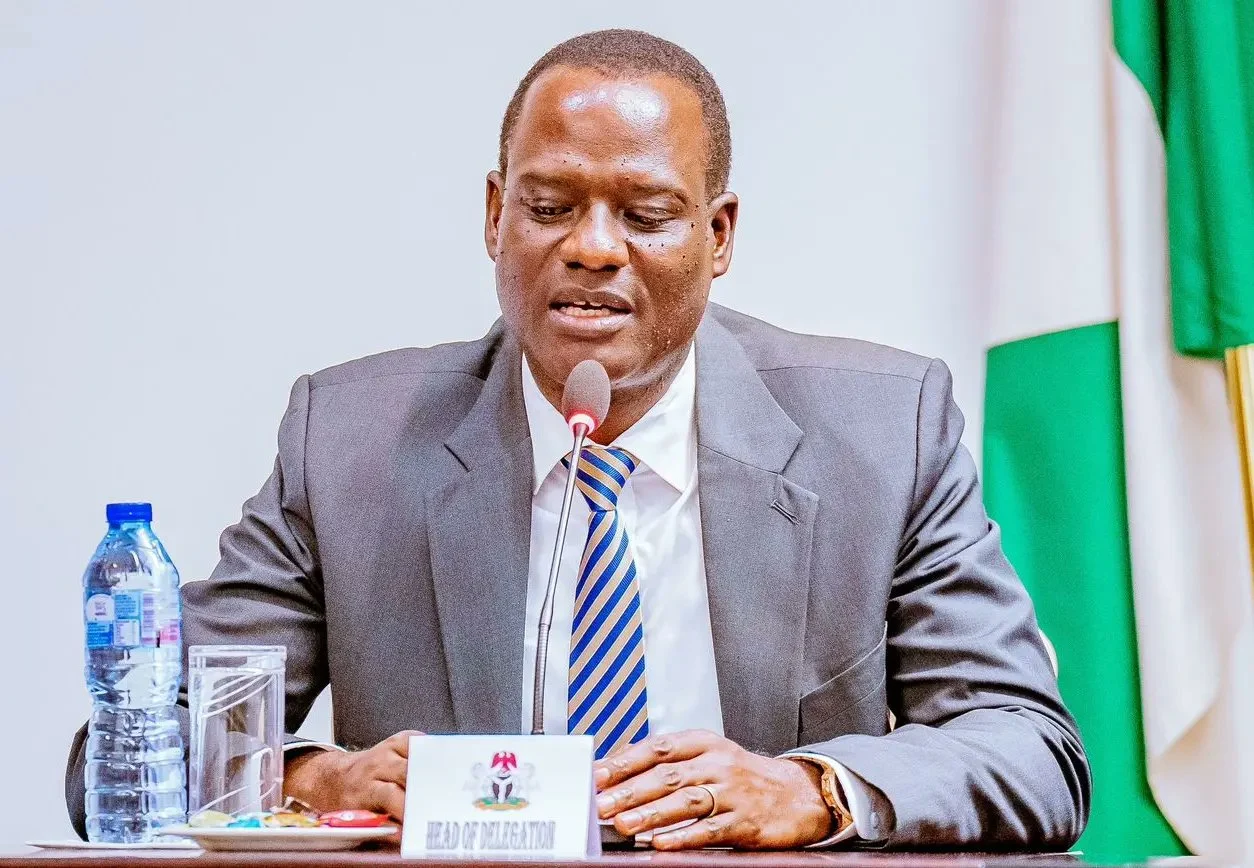
The Federal Government yesterday said the removal of the petrol subsidy and the liberalisation of the naira have generated N15.8 trillion in savings for the federation between June 2023 and December 2025. The Minister of Finance and Coordinating Minister of the Economy, Taiwo Oyedele, says the money saved from the reforms has created additional fiscal space for governments to fund critical programmes, pay workers and pensioners, invest in infrastructure, support vulnerable Nigerians and expand access to credit. But three years after the reforms began, a different question is being asked across communities: what impact has the additional money had on the lives of ordinary Nigerians? While the Federal Government points to higher allocations, wage adjustments, infrastructure, student loans, social transfers, agricultural interventions and other programmes as evidence of what the reforms have made possible, Nigerians are asking questions about the impact of the savings. According to Nigerians and economic analysts, the benefits remain limited or uneven. For many Nigerians, the removal of subsidy has brought higher petrol prices, increased transportation costs, rising food prices and a general increase in the cost of living. They argue that the increased revenue available to governments has not translated into improvements that are sufficiently visible in their communities. Daily Trust reports that the subsidy removal has seen the federal allocation accruable to the three tiers of government – federal, states and local governments – skyrocketing in the last three years. The Federal Government, 36 states and 774 local government councils shared a record N3.007tn from the Federation Account in July 2026, the highest monthly FAAC allocation ever recorded since the removal of subsidy. This represented a 281.7 per cent increase compared to N786.161bn shared in May 2023 prior to the reforms. ‘How the money was spent’ Oyedele, while presenting the government’s reform scorecard at a media conference titled “The Benefits, Costs and Harm Prevented,” said the reforms should not be assessed only by their immediate costs but also by the economic damage they prevented and the opportunities they created. According to him, the federal government mobilised N15.8 trillion in resources for the Federation from subsidy savings between June 2023 and December 2025. Of the N15.8 trillion, the federal government received N5.4 trillion, while N10.4 trillion was shared among the states and local governments. The federal government also generated N3.1 trillion in incremental independent revenue, principally from remittances by government-owned entities, during the period. Oyedele said the additional resources had enabled the government to undertake programmes that would have been more difficult to finance without the fiscal space created by the reforms. “Altogether, the federal government’s incremental resources over the period — subsidy savings, independent revenue, and incremental borrowing — came to N20.4 trillion,” he said. According to the minister, the government’s additional borrowing amounted to N11.9 trillion. He argued that the borrowing would have been “far higher and economically destabilising” without the fiscal space created by the reforms. The federal government, he said, spent N30.64 trillion in incremental expenditure during the period. Of that amount, N9.39 trillion went into wage adjustments, minimum wage increases and allowances for public servants, while another N9.37 trillion was spent on external debt servicing. A further N6.5 trillion, according to the minister, was spent on strategic infrastructure. Oyedele said the amount spent on wage adjustments was higher than the federal government’s entire share of the savings from subsidy removal. The minister also explained that the increase in the naira cost of external debt servicing was largely a consequence of the depreciation of the local currency. He noted that while the dollar value of Nigeria’s foreign debt remained unchanged, the amount of naira required to service the debt increased significantly following the depreciation of the currency. “If we were paying $1 million before in interest on our foreign debt, it is still the same $1 million, but instead of N460, it’s now N1,415,” Oyedele said. “That’s more naira that we need to incur. And I’ve said this before, when you have debt service to pay, you don’t negotiate, you don’t delay, you pay. Because delays or defaults have consequences.” For the minister, the reforms were not primarily about increasing government revenue. Rather, he said they were necessary to address what he described as “entrenched corruption in the artificially managed fuel subsidy and foreign exchange markets”. He maintained that the government’s assessment of the reforms should therefore go beyond the immediate pain experienced by citizens and consider the longer-term benefits and the eco
Don't miss out on breaking stories and in-depth articles.